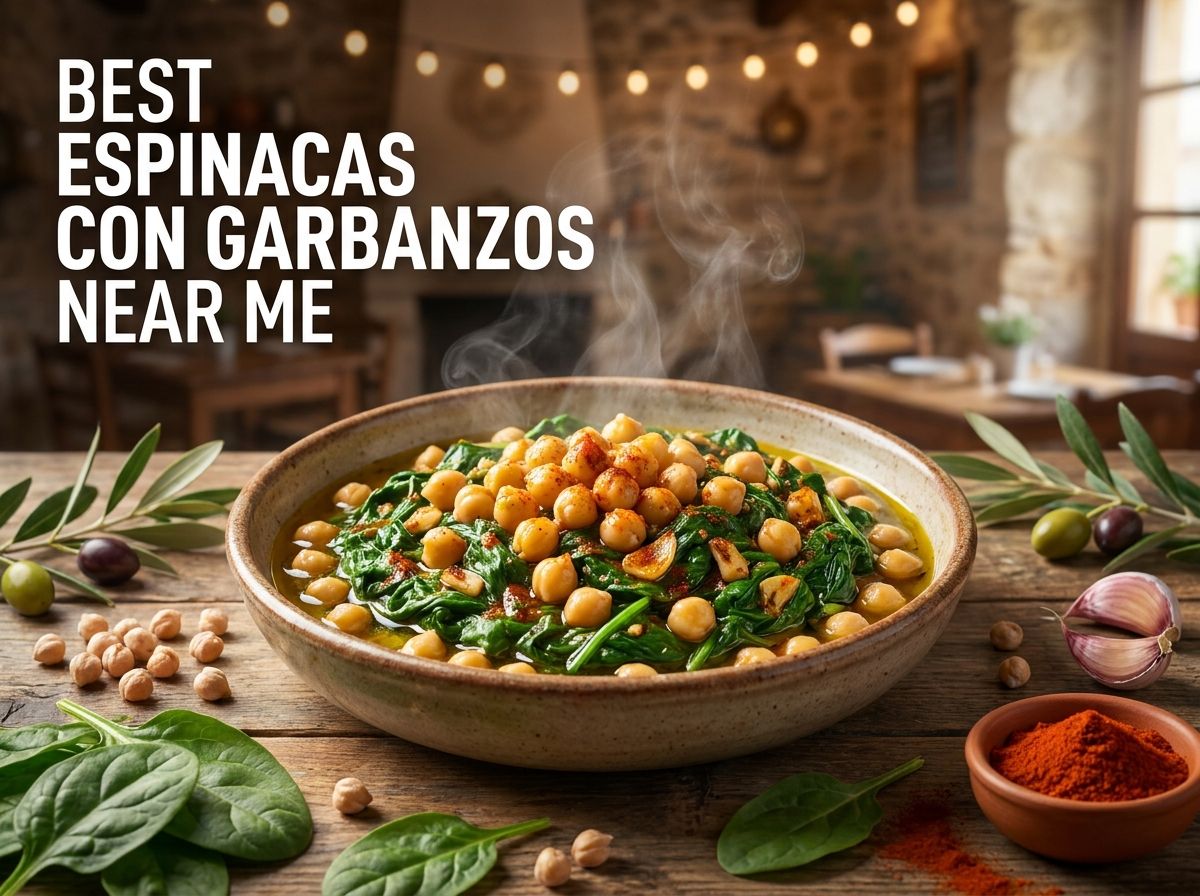
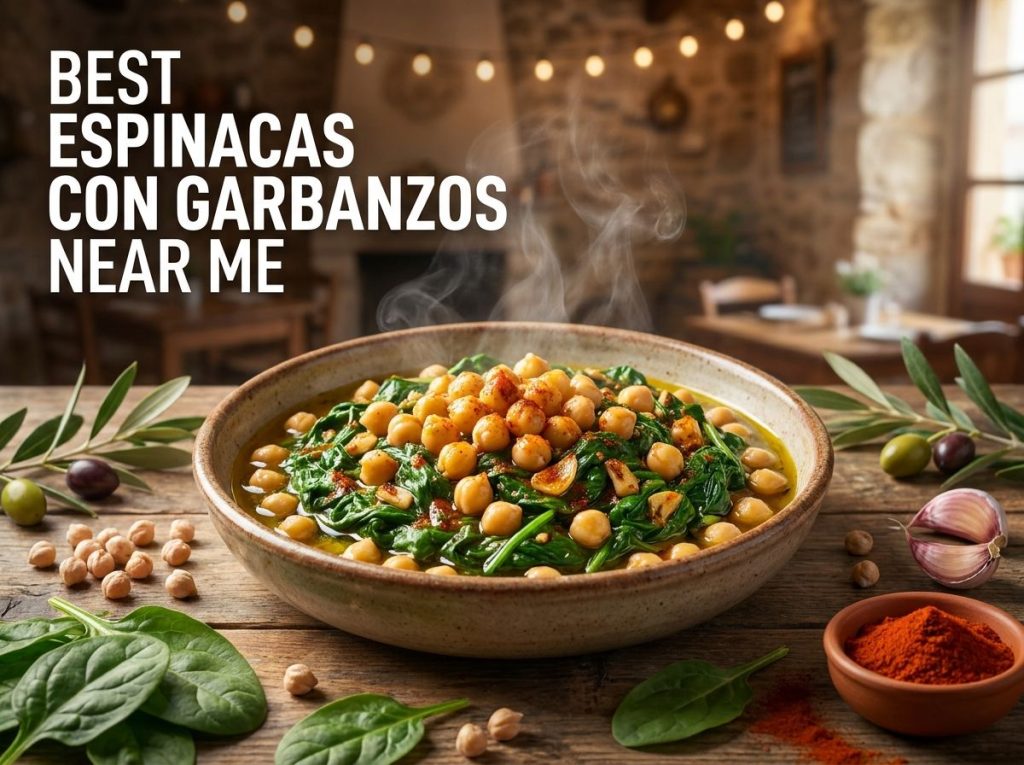
Espinacas con garbanzos represents one of Spain’s most beloved comfort dishes, particularly throughout the Andalusian region. This traditional Spanish preparation combines fresh spinach with tender chickpeas in a aromatic sauce infused with garlic, olive oil, and warming spices. If you’re searching for the best espinacas con garbanzos near me, understanding what makes this dish special will help you identify truly authentic preparations from mediocre ones.
Table of Contents
ToggleUnderstanding Espinacas Con Garbanzos as Andalusian Tradition
The roots of this classic dish trace back centuries to Southern Spain, particularly in Seville, the cultural heart of Andalusia. What makes espinacas con garbanzos historically significant is its multicultural heritage. The Moorish occupation of the Iberian Peninsula introduced many essential ingredients that became foundational to Spanish cuisine. Spinach arrived from ancient Persia through Arab traders, while chickpeas and transformative spices like cumin originated in the Middle East. The combination of these elements with paprika, which later came from the Americas, created the distinctive flavor profile that defines authentic Andalusian cooking.
The dish evolved from humble working-class origins, where affordable proteins and readily available vegetables made it a dietary staple. Over time, it transcended social boundaries and became equally celebrated in upscale tapas establishments and traditional family restaurants. Today, you’ll encounter it in virtually every authentic Spanish bar and restaurant that specializes in regional Andalusian cuisine.
What Defines Quality Espinacas Con Garbanzos
When seeking quality versions of this dish, several characteristics distinguish exceptional preparations from average ones. The spinach should be tender without becoming mushy or breaking apart completely. Quality chickpeas maintain their shape while remaining fully cooked and absorbing the surrounding flavors. The sauce itself plays a crucial role, coating all ingredients evenly without appearing watery or excessively thick.
The flavor profile balances earthy, comforting notes with subtle complexity. Properly executed espinacas con garbanzos delivers the warmth of cumin and paprika, the pungency of fresh garlic, and the richness of good quality olive oil. Some preparations incorporate additional depth through ingredients like tomato paste, sherry vinegar, or breadcrumbs that create a picada, a traditional Spanish sauce component that thickens the dish while adding nuanced flavor.
Key Ingredients and Their Importance
Extra virgin olive oil forms the foundation of authentic espinacas con garbanzos, reflecting Mediterranean diet principles. This ingredient doesn’t merely cook the dish; it imparts essential flavor and creates the sauce’s characteristic richness. Using fresh, fragrant extra virgin oil makes a significant difference in the final result.
Fresh spinach varies based on availability and preference. Many traditional preparations use fresh spinach that’s briefly blanched before combining with other components, though some modern versions incorporate frozen spinach for convenience without sacrificing quality. The key is ensuring the spinach remains vibrant and not overcooked.
Chickpeas, called garbanzos in Spanish, must be tender but not falling apart. Home cooks often choose between canned chickpeas for convenience or dried chickpeas that have been soaked and simmered to perfection. The cooking liquid from chickpeas contains valuable starches that contribute body to the sauce.
The aromatic components include whole garlic cloves that are gently fried until golden brown, creating an infused oil before other ingredients join. Smoked paprika adds smokiness and warmth, while cumin brings earthy sweetness. Some preparations enhance this base with additional warmth from cinnamon, saffron, or coriander. Bread, often fried until crispy, gets ground into a paste and stirred through the finished dish, creating a traditional thickening agent called picada.
Where to Find Authentic Espinacas Con Garbanzos
Spanish tapas bars represent your most reliable source for authentic preparations. These establishments typically specialize in regional dishes and maintain traditional cooking methods that have been perfected over decades. The informal atmosphere of a tapas bar often enhances the dining experience, allowing you to watch preparations and engage with knowledgeable staff.
Andalusian restaurants represent another excellent option, particularly those highlighting regional cuisine from Southern Spain. These venues often educate diners about the historical and cultural context of dishes, explaining ingredient choices and traditional techniques. The cooking staff typically trained in authentic methods and source ingredients thoughtfully.
Mediterranean restaurants and modern Spanish bistros offer interpretations of classic dishes, sometimes incorporating contemporary techniques while respecting traditional foundations. While these may vary from strictly traditional approaches, skilled Mediterranean chefs often create compelling versions that honor the dish’s essence while offering fresh perspectives.
Historical establishments carry particular authenticity weight. Seville’s El Rinconcillo, operating since 1670 and family-run since 1858, represents the gold standard for authentic espinacas con garbanzos. This legendary bar serves the dish exactly as it has for generations, with additional complexity from coriander, ginger, and cloves that elevate the preparation beyond basic versions. Other long-standing Sevillian institutions like Bar Casa Morales, serving since 1850, maintain similar commitments to authenticity and traditional preparation methods.
Evaluating Restaurant Quality
Several indicators suggest whether a restaurant will serve quality espinacas con garbanzos. Look for establishments that emphasize seasonal ingredients and maintain direct relationships with suppliers. Restaurants that take pride in their preparations typically list ingredients clearly and discuss cooking methods openly.
The overall menu composition matters significantly. Establishments that offer numerous vegetable-forward dishes demonstrate commitment to quality produce and diverse preparation techniques. Traditional tapas bars usually feature no more than a few vegetable options, having perfected each one through careful attention and repeated practice.
Staff knowledge indicates quality as well. Servers and cooks who can discuss ingredient origins, cooking techniques, and flavor components clearly demonstrate genuine expertise. They should be able to explain how their version differs from other preparations and why specific choices matter.
Preparing Quality Espinacas Con Garbanzos at Home
Understanding proper preparation helps you evaluate restaurant versions and potentially recreate the dish at home. The process involves several distinct steps rather than simply combining ingredients into a pot.
First, prepare the chickpeas if using dried varieties. Soak them overnight with a pinch of baking soda, then simmer in fresh water for approximately two hours until fully tender. This patient approach yields superior texture compared to rushed cooking. Canned chickpeas offer convenience and deliver acceptable results when carefully selected and gently handled.
Next, prepare the spinach by blanching fresh leaves in salted water for four to five minutes, then draining thoroughly and setting aside. This step removes excess water that would otherwise dilute the sauce.
Create the flavor base by heating olive oil and frying whole garlic cloves until deeply golden brown. Remove the garlic and set aside. In the same oil, fry bread slices until crispy, then remove and break into pieces. Grind the reserved garlic and fried bread together with cumin, paprika, and additional seasonings into a paste using a mortar and pestle or food processor.
Combine this picada mixture with the drained chickpeas in the same olive oil used for the initial cooking. Stir gently and cook for two to three minutes, allowing the spices to bloom fully. Add the prepared spinach and gently incorporate everything together, adding additional olive oil if the mixture appears dry. Finish with salt, pepper, and a splash of sherry vinegar if desired. Cook until all components are heated through and flavors have melded, typically five to ten minutes.
The Cultural and Nutritional Appeal
Beyond flavor and tradition, espinacas con garbanzos represents the principles underlying Mediterranean diet, which emphasizes plant-based ingredients, olive oil, and modest portions of protein-rich legumes. This composition delivers substantial fiber, iron from spinach and chickpeas, and beneficial compounds from garlic and spices. The dish satisfies vegetarian and vegan dietary preferences while delivering complete nutritional profiles.
Culturally, this humble dish carries significance far exceeding its simple ingredient list. It embodies Spain’s multicultural history, connects diners to centuries of tradition, and represents the ingenuity of home cooks creating satisfying meals from modest resources. Whether served as an elegant tapas in upscale Seville establishments or as casual family fare, espinacas con garbanzos maintains its dignity and appeal.
Making Your Selection
When seeking the Locro Argentino Near You con garbanzos near you, prioritize restaurants demonstrating genuine commitment to Spanish culinary traditions. The dish should taste like its primary components: spinach, chickpeas, garlic, olive oil, and warming spices. Avoid versions that taste watery, excessively salty, or overly complicated.
5ivemagazine recommends starting your search with established tapas bars that emphasize Andalusian specialties. Ask servers specifically about their espinacas con garbanzos preparation, noting their enthusiasm and knowledge level. Sample the dish at multiple establishments to develop your palate and understand how skilled preparation elevates simple ingredients into something memorable.
Whether you’re exploring restaurants in Seville, London, or your local area, this timeless Spanish dish continues rewarding those seeking authentic flavors and cultural connection through food. The combination of humble ingredients prepared with respect and attention creates something that endures across centuries and continents, reminding us that true culinary excellence often requires nothing more than care, tradition, and quality components properly executed.