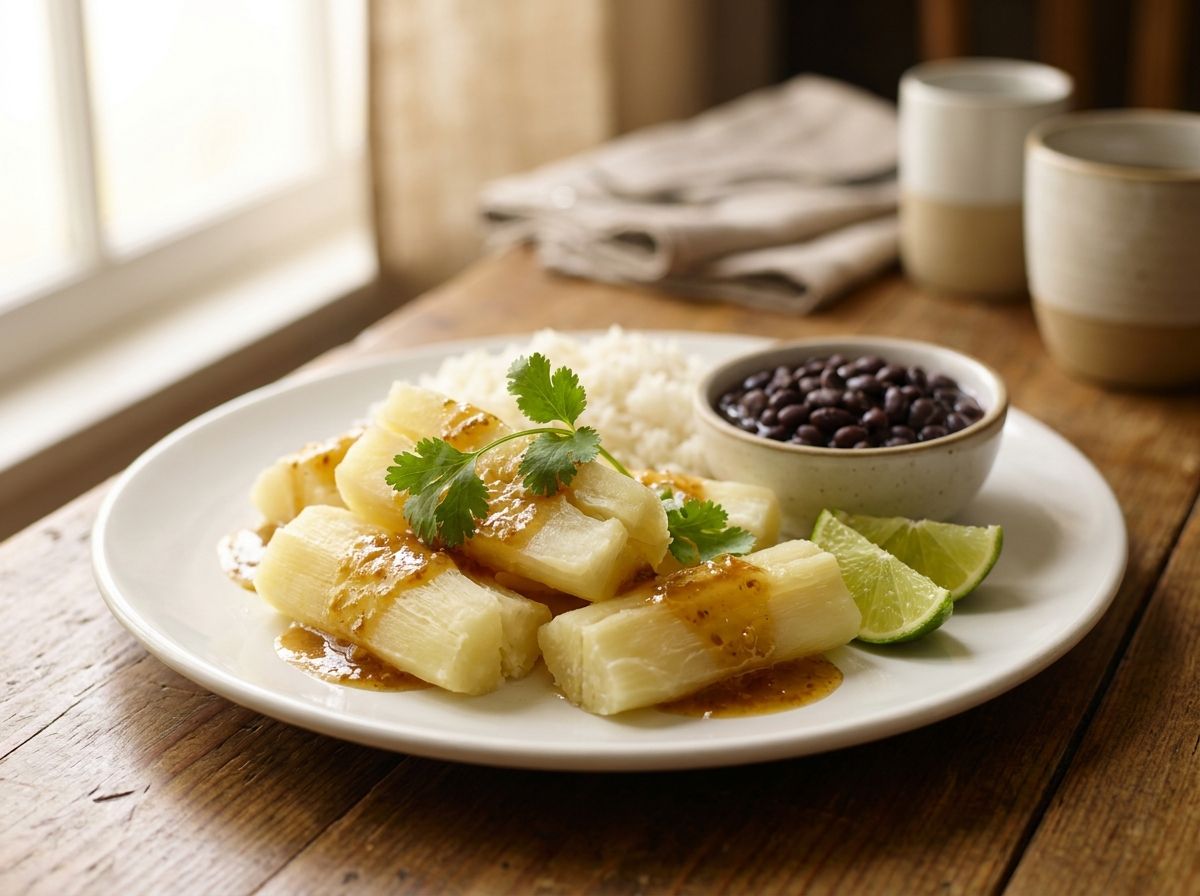
Yuca con mojo represents one of the most beloved dishes in Caribbean cuisine, drawing food enthusiasts searching for authentic Cuban flavors. This humble yet flavorful preparation has transcended generations, remaining a cornerstone on dinner tables throughout Latin America and increasingly popular in international restaurants. The combination of tender cassava root paired with a vibrant garlic citrus sauce creates a dining experience that’s both comforting and sophisticated. As dining preferences continue to evolve toward authentic, culturally significant meals, understanding what makes exceptional yuca con mojo becomes essential for anyone passionate about genuine culinary experiences.
The dish’s appeal lies not just in its taste but in its cultural significance and accessibility. Whether you’re seeking this authentic Cuban preparation for the first time or returning to a childhood favorite, finding quality yuca con mojo requires knowledge about ingredient sourcing, traditional preparation methods, and restaurant standards that maintain culinary integrity.
Table of Contents
ToggleUnderstanding Yuca as a Premium Ingredient
Cassava root, commonly known as yuca, serves as the foundation for this classic preparation. This starchy root vegetable possesses a unique texture and mild flavor that makes it the perfect canvas for bold mojo seasonings. Unlike potatoes or other tubers, yuca carries a creamier, denser consistency when properly cooked. The root vegetable is naturally rich in carbohydrates, fiber, vitamin C, and important minerals that contribute to its nutritional profile.
The quality of yuca significantly impacts the final dish. Fresh yuca should feel firm without soft spots, displaying a thick, bark-like exterior that requires skilled preparation to remove. The peeling process demands precision because it involves removing both the waxy brown outer layer and the pink underlayer beneath. Professional chefs understand that improper peeling can compromise the vegetable’s integrity and introduce unwanted textures into the final preparation.
Frozen yuca, when sourced from reputable suppliers, offers a convenient alternative without sacrificing quality. Properly frozen cassava maintains its nutritional value and cooking characteristics. Many excellent restaurants now utilize frozen yuca specifically because it arrives pre-peeled and cut, ensuring consistency across multiple servings. The key distinguishing factor involves sourcing frozen yuca from suppliers who avoid unnecessary additives or preservatives, maintaining the ingredient’s pure character.
The Art and Science of Mojo Sauce Excellence
The mojo sauce represents the soul of this preparation, where exceptional restaurants distinguish themselves through ingredient selection and technique. Traditional mojo incorporates fresh garlic, sour orange juice, olive oil, and select spices that create a perfectly balanced citrus-garlic profile. Some preparations enhance this base with cumin, oregano, and fresh cilantro, each element contributing distinct aromatic qualities.
Creating superior mojo sauce requires understanding how heat transforms raw ingredients. When olive oil reaches the ideal temperature and fresh garlic is introduced, a controlled Maillard reaction occurs that converts harsh garlic compounds into sweet, nutty flavors. This scientific principle explains why temperature control and timing matter intensely in professional kitchens. The sauce must be prepared fresh, never rushed, allowing each component to develop its fullest expression.
Fresh citrus juice represents a non-negotiable element in authentic preparations. Restaurants committed to quality source fresh sour oranges or create the traditional blend using equal parts lime and orange juice. Bottled alternatives lack the brightness and complexity that fresh citrus provides. The acidity level must balance perfectly to complement the yuca’s mild flavor while allowing the garlic to shine without overwhelming the palate.
Premium restaurants prepare mojo in small batches, ensuring optimal flavor integration. The sauce is poured over hot yuca immediately after cooking, allowing the starch granules to absorb the aromatic oils while they remain expanded. This timing technique ensures maximum flavor penetration that cannot be achieved if yuca cools before sauce application. It’s a detail that separates exceptional preparations from adequate ones.
What Separates Authentic Preparation from Standard Versions
Finding the best yuca con mojo near me becomes significantly easier when you understand preparation standards that define authentic quality. Restaurants maintaining genuine Cuban traditions prioritize ingredient freshness above cost considerations. They source fresh garlic daily, maintain proper storage protocols, and refuse to compromise on recipe foundations passed through generations.
The cooking process for cassava itself demands attention. Properly boiled yuca requires removing the fibrous central core that runs through each piece, something accomplished either before cooking if the chef prefers, or after boiling when removal becomes easier. This fibrous component cannot be overlooked as it introduces an unpleasant texture that compromises the eating experience. Restaurants with rigorous quality control remove this feature from every single piece served.
Texture represents another critical quality marker. Yuca should be tender enough to cut with minimal pressure while maintaining a firm, slightly creamy interior. Overcooked cassava becomes mushy and loses its character, while undercooked versions remain woody and unpleasant. Achieving this balance requires experience and attention throughout the cooking duration. Professional kitchens typically cook yuca for 20 to 25 minutes when using fresh cassava, extending slightly when working with frozen varieties.
The mojo sauce consistency should coat yuca generously without becoming overly soupy. The balance between sauce and solid components creates an ideal eating experience where every bite features both the tender cassava and the garlicky citrus flavors. Restaurants managing portion sizes correctly understand that the sauce should complement rather than overwhelm or underwhelm the primary ingredient.
Selecting Restaurants with Genuine Commitment to Quality
Restaurant reputation among local communities often provides more reliable guidance than online reviews alone. Neighborhoods with established Cuban or Latin American populations typically feature restaurants where families have dined for decades, maintaining recipes and standards passed through generations. These establishments exist because communities trust them to deliver authentic preparations that satisfy cultural expectations.
A restaurant’s sourcing practices reveal their commitment level. Direct conversations with staff about ingredient origins, supplier relationships, and preparation methods offer insights into whether quality remains a priority. Restaurants that prepare sauces fresh daily, purchase fresh garlic regularly, and maintain detailed cooking procedures demonstrate professional standards that produce superior results.
Dining environments that balance authenticity with contemporary comfort often represent the best choices. Establishments maintaining cultural integrity without sacrificing customer experience understand their responsibility to honor traditional dishes while meeting modern expectations for service excellence. Clean, well-organized kitchens visible through open concepts or mentioned in customer testimonials indicate professional operations.
Menu consistency matters significantly. Restaurants featuring yuca con mojo prominently and maintaining consistent quality across all offerings typically approach the dish seriously. Single-item consistency often reflects broader kitchen standards. If yuca preparation receives meticulous attention, other menu items likely do as well.
Pairing Considerations for Complete Meals
Yuca con mojo reaches its fullest expression when served alongside complementary proteins and sides that create balanced meals. Traditional Cuban cuisine pairs cassava with slow-roasted pork marinated in mojo criollo, creating a harmonious flavor profile where seasoning approaches remain complementary rather than repetitive. The richness of prepared pork balances the mild yuca perfectly.
Black beans and white rice, known as congri when cooked together, provide textural variety and absorb excess sauce gracefully. These sides have maintained prominent positions in Cuban cuisine for generations because they genuinely enhance dining experiences. The starch elements create meals that feel grounding and satisfying.
Fried plantains, whether prepared as sweet maduros or savory tostones, offer crispy textural contrasts that highlight yuca’s creamy quality. The combination of textures and flavors creates memorable meals that showcase Caribbean culinary traditions holistically.
Lime wedges and fresh cilantro served alongside yuca allow diners to customize seasoning levels to personal preference. This option demonstrates respect for individual palates while maintaining the restaurant’s foundational recipe integrity.
Understanding Restaurant Service Standards
Exceptional restaurants serving yuca con mojo often include thoughtful service details that enhance dining experiences. Proper temperature management ensures cassava arrives hot enough to absorb sauce flavors optimally, while timing prevents service delays that compromise food quality. Many establishments package mojo separately for takeout orders, maintaining freshness and preventing textural degradation during transport.
Knowledgeable staff explain yuca characteristics to diners unfamiliar with cassava, helping them understand what to expect regarding texture and flavor profile. This educational approach prevents disappointment and increases appreciation for the dish. Servers familiar with traditional pairings suggest combinations that elevate entire meals.
Restaurants respecting their ingredients demonstrate this through portions that showcase yuca as a main component rather than a minimal side. Generous servings indicate confidence in preparation quality and respect for customer value. Smaller portions often signal attempts to stretch ingredients, suggesting compromised standards elsewhere in the operation.
Identifying Quality Through Ingredient Visibility
The Best Apfelstrudel Near Me establishments allow customers visibility into their operations and ingredient quality. Transparent sourcing practices, willingness to discuss preparation methods, and obvious attention to detail throughout service indicate restaurants genuinely committed to excellence. When staff can discuss their mojo sauce composition, yuca sourcing, and cooking techniques confidently, these conversations reveal professional pride.
Quality establishments often feature photographs or testimonials from regular customers, particularly members of the Cuban and Caribbean communities who understand authentic preparation standards. These recommendations from community members carry significant weight because they’re provided by people intimately familiar with traditional flavors.
Making Your Best Selection
Finding superior yuca con mojo requires balancing online research with local community knowledge. Read reviews specifically mentioning yuca quality, sauce flavor, and cassava texture rather than general restaurant assessments. Ask locals about their favorite establishments, particularly members of Cuban or Caribbean communities. Visit restaurants willing to discuss their ingredients and methods, indicating professional transparency.
Consider whether establishments offer both fresh and frozen yuca options, as they understand ingredient quality varies and provide options accordingly. Restaurants acknowledging frozen yuca’s benefits when sourced responsibly demonstrate sophisticated understanding rather than snobism about ingredients.
Expect to pay reasonable prices for quality preparations. Exceptional cassava dishes prepared fresh with premium ingredients cost more than rushed versions, but remain generally affordable compared to other restaurant categories. Small neighborhood restaurants often outperform larger establishments not because of fancy presentation but because of meticulous attention to traditional recipes and ingredient quality.
The most memorable yuca con mojo experiences come from establishments where passion for Caribbean cuisine infuses every aspect of operations, from supplier relationships through final plating. These restaurants view yuca con mojo not as a commodity dish but as a culinary tradition deserving respect and excellence.
5ive Magazine recognizes that finding authentic yuca con mojo near you ultimately requires seeking restaurants where cultural pride, ingredient quality, and service excellence converge. Your effort in making thoughtful choices directly supports establishments maintaining culinary traditions while encouraging broader food cultures to value authenticity alongside convenience and innovation.
Creating Restaurant-Quality Yuca at Home
For those unable to find excellent local options, preparing yuca con mojo at home becomes an accessible alternative. Fresh or frozen cassava, sourced from specialty grocers or supermarket Latin sections, requires basic equipment and readily available ingredients. Dedicating time to proper preparation, fresh sauce creation, and appropriate timing yields results comparable to restaurant versions.
Home preparation offers advantages including ingredient selection control, portion customization, and the satisfaction of creating authentic dishes independently. The process remains straightforward for anyone willing to follow traditional techniques, from proper yuca peeling through mojo sauce creation and careful cooking management.
Whether dining out or preparing at home, yuca con mojo represents far more than a simple side dish. It’s a culinary connection to Caribbean traditions, a celebration of humble ingredients elevated through technique and care, and an accessible gateway into understanding authentic food cultures beyond mainstream offerings. The quest for exceptional yuca con mojo becomes simultaneously a journey into professional culinary standards, ingredient quality awareness, and cultural appreciation.