Most people can remember a stretch of nights spent staring at the ceiling, checking the clock, and wondering why sleep simply won’t come. It happens to almost everyone at some point, but for a lot of people it becomes a pattern rather than an occasional bad night. The good news is that sleep quality isn’t something you have to leave to chance. It responds, often quite quickly, to a set of daily habits known collectively as sleep hygiene. These aren’t complicated rules or expensive gadgets. They’re small, consistent choices about light, timing, temperature and routine that work together to help your body do what it’s naturally built to do: fall asleep easily and stay asleep through the night. This guide walks through what sleep hygiene actually means, why it matters for both body and mind, and how to build habits that genuinely improve the way you rest.
Table of Contents
ToggleWhat Is Sleep Hygiene and Why It Matters
Sleep hygiene refers to the everyday behaviours and environmental conditions that support consistent, good quality sleep. It covers what you do during the day as much as what you do right before bed, including your wake-up time, your exposure to natural light, your caffeine intake, your evening routine and the physical setup of your bedroom.
The reason this matters so much comes down to how the body regulates rest. Sleep isn’t simply something that happens when you’re tired enough. It’s controlled by an internal clock that expects regularity and predictable cues. When those cues are inconsistent, sleep tends to become lighter, more fragmented and harder to fall into. Over time, poor sleep affects far more than energy levels. It influences concentration, mood, appetite regulation, immune function and long-term cardiovascular health. Good sleep hygiene isn’t about chasing eight perfect hours every night. It’s about giving your body the conditions it needs to settle into deep, restorative sleep more reliably.
Understanding Your Circadian Rhythm
At the centre of good sleep hygiene is the circadian rhythm, the roughly 24-hour internal clock that governs when you feel alert and when you feel sleepy. This rhythm is influenced heavily by light exposure, which is why so much sleep advice comes back to when and how you experience daylight and darkness.
During daylight hours, your circadian rhythm promotes wakefulness. As evening approaches and light levels drop, your brain begins releasing melatonin, the hormone responsible for signalling that it’s time to wind down. Artificial light, particularly the blue-toned light from phones, laptops and overhead bulbs, can interfere with this process by mimicking daylight and delaying melatonin release. This is one reason a bright, screen-lit evening so often leads to a restless night.
Supporting your circadian rhythm isn’t about eliminating light altogether. It’s about aligning your exposure with the time of day: brighter, cooler light in the morning and early afternoon, and dimmer, warmer light as the evening progresses. Even a short period outdoors shortly after waking can help anchor this rhythm and make it easier to feel naturally tired at a consistent time each night.
Building a Consistent Sleep Schedule
One of the simplest and most effective sleep hygiene habits is also one of the most overlooked: going to bed and waking up at roughly the same time every day, including weekends. It can be tempting to sleep in after a poor night or a late one, but doing so tends to shift your internal clock and make the following night’s sleep harder to achieve.
A consistent wake-up time, in particular, tends to matter more than a fixed bedtime. Your body will naturally start to feel sleepy at a similar time each evening once your wake time is stable, because the circadian rhythm calibrates itself around that anchor point. If your schedule needs to shift, for travel or shift work for example, doing so gradually over several days rather than all at once puts far less strain on your body’s internal timing.
It’s also worth resisting the urge to “catch up” on lost sleep with long weekend lie-ins or extended naps. Short naps of twenty to twenty-five minutes earlier in the day can be genuinely refreshing, but longer or later naps often make it harder to fall asleep that night, creating a cycle that’s difficult to break.
Creating a Sleep Environment That Works for You
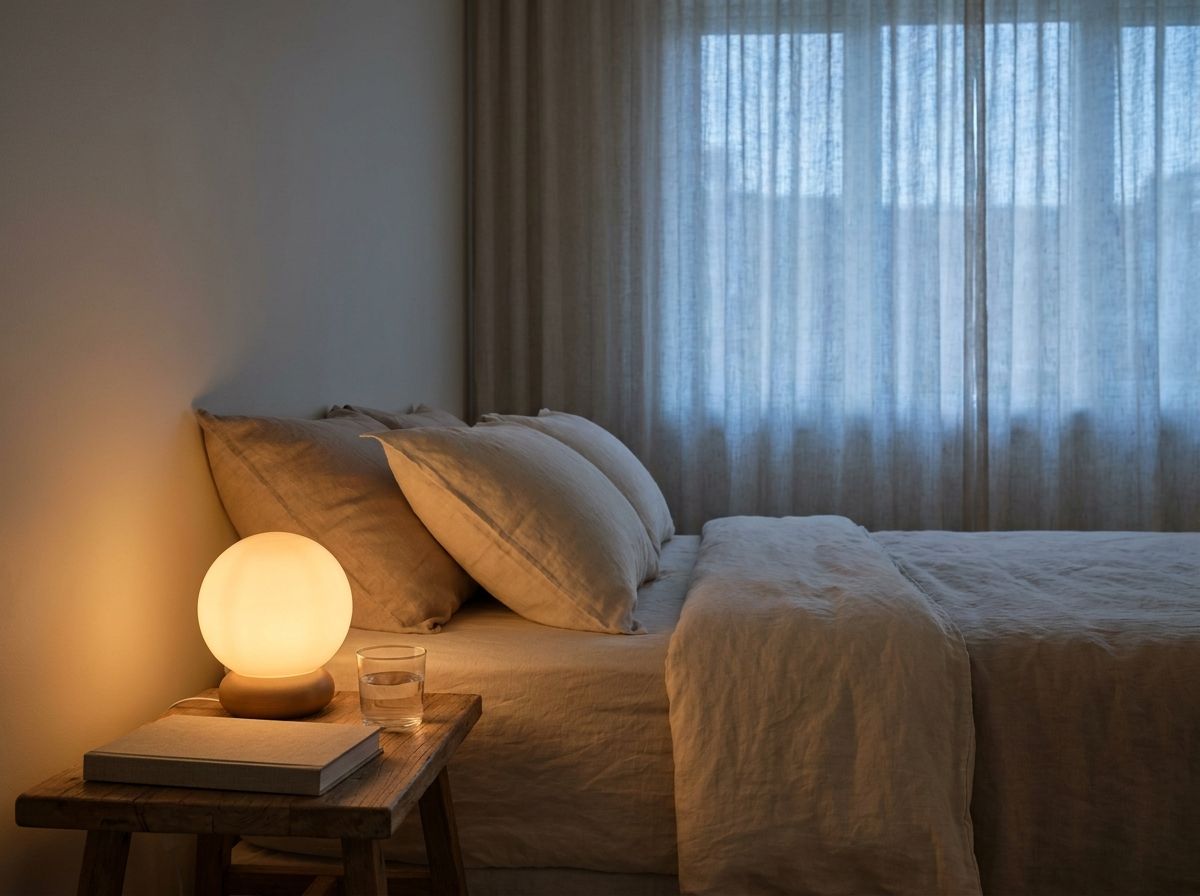
The physical space you sleep in plays a bigger role than many people realise. A bedroom that supports sleep tends to share a few key characteristics, and small adjustments here can make a noticeable difference within days.
- Keep it cool. A drop in core body temperature is part of what triggers sleep onset, so a cool bedroom, generally somewhere around 16 to 19 degrees Celsius, supports this process better than a warm one.
- Keep it dark. Blackout curtains or an eye mask reduce the light interference that can suppress melatonin and cause lighter, more easily disrupted sleep.
- Keep it quiet. Consistent background noise, or none at all, tends to work better than sudden or unpredictable sounds. Earplugs or a white noise machine can help in noisier environments.
- Invest in comfortable bedding. A mattress and pillows that suit your preferred sleep position, along with breathable fabrics that prevent overheating during the night, both contribute to fewer disturbances.
- Reserve the bed for sleep. Using the bedroom mainly for sleeping, rather than working, scrolling or watching television, strengthens the mental association between your bed and rest, which can make falling asleep feel more automatic over time.
Managing Light Exposure Throughout the Day
Light is arguably the single strongest signal your body uses to decide when to feel awake and when to feel sleepy, which is why managing it deliberately is such a core part of sleep hygiene. Spending time outdoors or near a bright window during the morning helps reinforce alertness and sets your circadian rhythm for the rest of the day.
As the day moves into evening, gradually reducing light exposure helps prepare your body for sleep. This might mean switching to warmer, dimmer lighting a couple of hours before bed, or setting devices to a night mode that reduces blue light output. Screens themselves aren’t necessarily the enemy, but the combination of bright light and mentally stimulating content late in the evening can make it noticeably harder to switch off. Reducing screen use in the final hour before bed, or at least dimming brightness and avoiding particularly engaging content, tends to make falling asleep considerably easier.
Diet, Caffeine and Exercise: The Daytime Habits That Shape Your Night
Sleep quality is shaped as much by what happens during the day as by anything done right before bed. Caffeine is one of the most significant factors, and its effects last far longer than most people expect. Because caffeine can remain active in the body for several hours, having coffee, tea or energy drinks in the afternoon or evening can interfere with sleep even if you don’t feel obviously wired at bedtime.
Alcohol is another common culprit that’s often misunderstood. While it can make falling asleep feel easier, it tends to fragment sleep later in the night and reduce time spent in the deeper, more restorative stages of rest, which is why a night involving alcohol often still leaves you feeling tired the next day.
Regular physical activity generally supports better sleep, improving both how quickly you fall asleep and how deep that sleep tends to be. Timing matters here too. Exercising too close to bedtime can leave the body too alert to wind down easily, so leaving a gap of a couple of hours between a workout and sleep tends to work better for most people. Heavy meals late in the evening can have a similar effect, so eating your last substantial meal a few hours before bed generally supports smoother, less interrupted sleep.
Evening Wind-Down Routines That Actually Help You Sleep
A predictable pre-bed routine acts as a signal to your body that sleep is approaching, much like a consistent morning routine signals wakefulness. This doesn’t need to be elaborate. A warm bath, some light reading, gentle stretching or a few minutes of quiet breathing exercises can all serve this purpose effectively, as long as they’re repeated consistently enough to become a familiar cue.
The key is choosing activities that calm rather than stimulate the mind. Checking emails, scrolling social media or watching intense television in the hour before bed tends to work against this, keeping the brain alert exactly when it needs to be settling down. Starting this wind-down period around thirty to sixty minutes before your intended bedtime gives your body enough time to transition gradually, rather than expecting sleep to arrive the moment your head hits the pillow.
If you find yourself lying awake for more than around twenty minutes without drifting off, getting up and doing something quiet and low-stimulation in another room, then returning to bed once you feel sleepy again, tends to work better than lying there growing increasingly frustrated. This helps preserve the mental association between your bed and sleep rather than reinforcing a link between your bed and wakeful frustration.
Common Sleep Disruptors Worth Avoiding
Alongside the habits that support good sleep, a few common patterns tend to work against it and are worth being mindful of:
- Irregular bedtimes and wake times, even when total sleep hours seem sufficient
- Bright screen use or overhead lighting in the final hour before bed
- Caffeine consumption in the afternoon or evening
- Long or late afternoon naps
- Exercising too close to bedtime
- A bedroom that’s too warm, too bright or too noisy
- Using the bed for work, scrolling or watching television rather than rest
None of these need to be avoided perfectly every single night. Sleep hygiene works best as a general pattern rather than a rigid set of rules, and small slips here and there won’t undo the benefits of otherwise consistent habits.
When Poor Sleep Becomes a Bigger Problem
For most people, adjusting daily habits leads to a noticeable improvement in sleep quality within a few weeks. However, sleep hygiene isn’t a substitute for medical support when sleep problems are persistent, severe or accompanied by other symptoms. If you regularly struggle to fall asleep, wake frequently through the night, or feel excessively tired during the day despite spending enough time in bed, it’s worth speaking to a doctor rather than assuming better habits alone will resolve it.
Conditions such as insomnia, sleep apnoea and restless legs syndrome are common and treatable, but they typically require proper diagnosis. A doctor may also suggest approaches such as cognitive behavioural therapy for insomnia, which addresses the thoughts and behaviours that often keep sleep problems going, and tends to be more effective for long-term insomnia than sleep hygiene changes alone.