Table of Contents
ToggleThe Historical Roots of a Culinary Icon
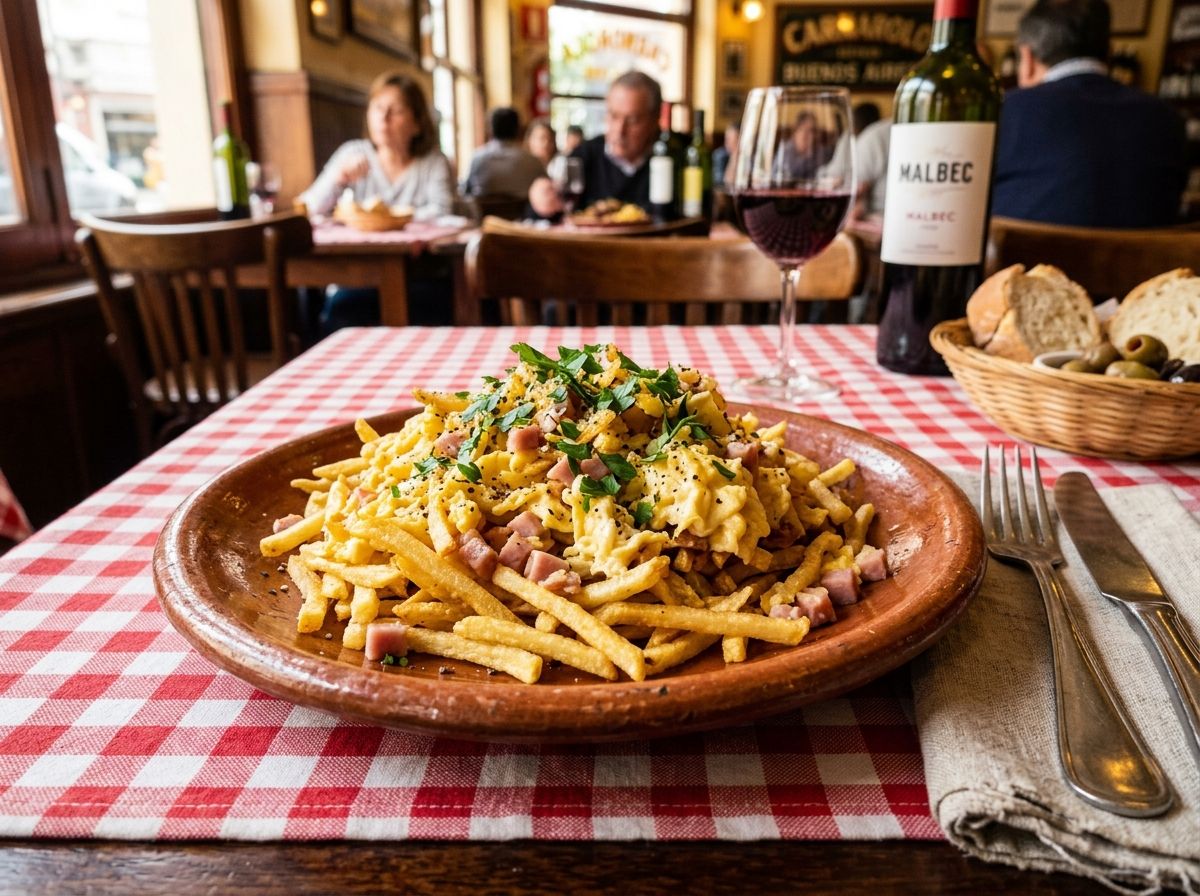
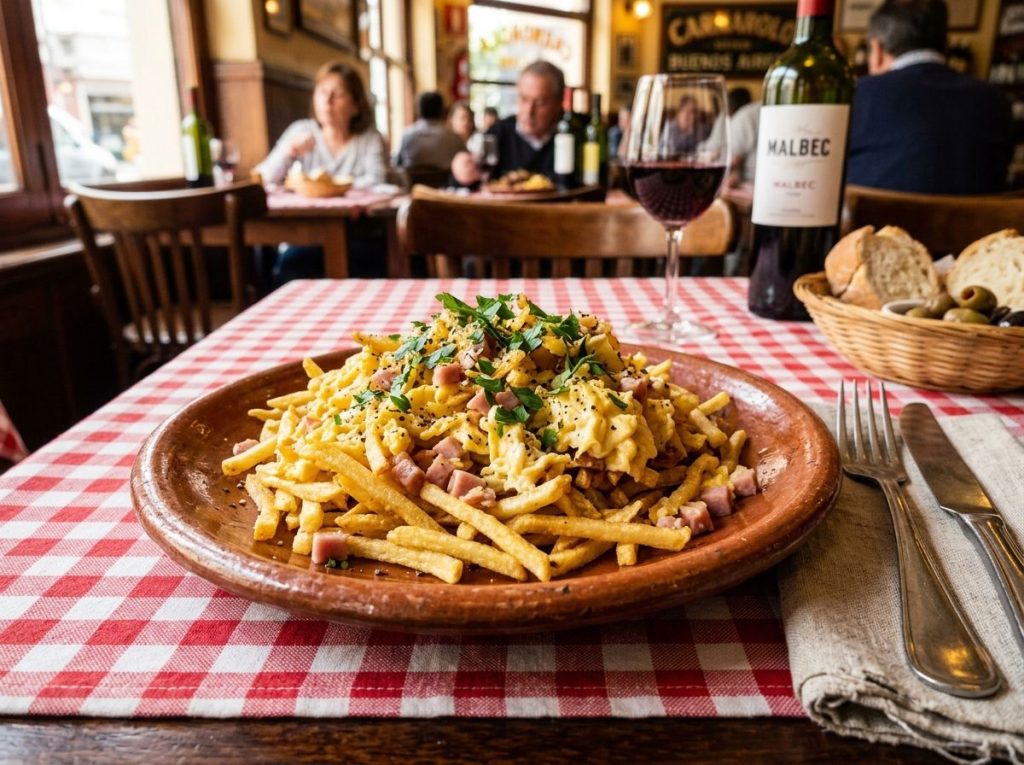
The origins of revuelto gramajo trace back to late nineteenth century Argentina, where it emerged as a creation attributed to Colonel Artemio Gramajo, who lived from 1838 to 1914 en.wikipedia.org. Colonel Gramajo served as an adjutant to General Julio Roca during Argentina’s military campaigns and later became a government administrator in Buenos Aires. This historical connection adds depth and cultural significance to the dish, transforming it from mere sustenance into a piece of Argentine heritage.Legend suggests that Colonel Gramajo either created this dish himself or had it prepared specifically to his tastes, combining readily available ingredients into something greater than the sum of its parts.The simplicity of the recipe belies its ingenious nature, as it brought together fried potatoes, eggs, and ham in a way that maximized flavor and satisfaction while minimizing complexity. This practical approach to cooking resonated deeply with Argentine culture, where resourcefulness and flavor converge.Over time, revuelto gramajo transcended its military origins to become a ubiquitous presence in Argentine cuisinecooking. The dish found its way into neighborhood bistros, upscale restaurants, and family kitchens alike, evolving slightly with regional preferences while maintaining its core identity. Today, it serves as a bridge between Argentina’s past and present, connecting modern diners with the culinary traditions of their ancestors.
Essential Ingredients and Their Quality
At its foundation, revuelto gramajo requires just three primary components: potatoes, eggs, and ham, though many variations incorporate additional elements. The quality of these ingredients directly impacts the final result, making ingredient selection a critical factor in creating an exceptional dish. Understanding what to look for in each component helps you recognize quality when dining out or preparing the dish at home.
Eggs serve as the binding element, bringing together the various components with their creamy, rich texture. Fresh, high quality eggs produce the best results, with their vibrant yellow yolks adding color and flavor to the dish. The eggs should be beaten gently and cooked slowly over moderate heat to achieve a soft, custard like consistency rather than dry, rubbery curds vakiano. This technique requires patience and skill, as overcooking ruins the delicate texture that defines an excellent revuelto gramajo.
Ham provides savory depth and protein, traditionally using smoked or cured varieties that offer robust flavor. Quality restaurants select premium ham with appropriate fat content to ensure moisture and taste, avoiding processed varieties that lack character. Some establishments substitute or supplement ham with bacon, sausage, or other meats based on regional preferences and chef creativity cooking. The meat should be diced into small, uniform pieces that distribute evenly throughout the dish.
Additional ingredients often include onions, garlic, bell peppers, and cheese, which enhance complexity and flavor. Fresh vegetables add sweetness and aroma, while cheese contributes richness and helps bind the mixture. These optional elements vary by establishment and region, allowing chefs to express their individual style while respecting the dish’s traditional framework.
The Art of Preparation and Cooking Technique
The potato frying process represents the most critical and time consuming step. Potatoes must be cut uniformly to ensure even cooking, then fried in oil heated to the proper temperature, typically around 350 to 375 degrees Fahrenheit. Many skilled chefs employ a double frying technique, first cooking the potatoes at a lower temperature to soften the interior, then increasing the heat for a second fry that creates the signature crispy exterior. This method produces potatoes with contrasting textures that enhance the overall eating experience.
Proper egg preparation requires a gentle touch and careful heat management. The beaten eggs should be added to the pan when the other ingredients are nearly complete, then stirred slowly and consistently to create small, soft curds. Rushing this process or using excessive heat causes the eggs to become dry and tough, destroying the creamy texture that defines quality revuelto gramajo. The eggs should remain slightly moist when removed from heat, as residual warmth continues the cooking process.
Ingredient sequencing plays a vital role in achieving proper flavor development and texture. Onions and garlic typically cook first to build an aromatic foundation, followed by the ham to render its fat and develop color. The crispy potatoes join the mixture next, allowing them to warm through while maintaining their crunch. Finally, the eggs complete the dish, coating all components and creating unity. This careful sequencing ensures that each ingredient contributes its best qualities to the final product.
Identifying Quality Establishments
Menu descriptions and ingredient transparency often reveal a restaurant’s approach to the dish. Quality establishments typically highlight fresh, house prepared ingredients and may note specific varieties of ham or potatoes used expatsargentina. Vague descriptions or reliance on processed ingredients suggest a lack of attention to detail. Restaurants proud of their revuelto gramajo often feature it prominently on menus or describe it with enthusiasm, indicating that it receives proper focus in the kitchen.
Restaurant specialization and reputation provide valuable clues about likely quality. Traditional Argentine steakhouses, known as parrillas, and authentic Buenos Aires style bistros frequently excel at preparing classic dishes like revuelto gramajo. These establishments employ chefs familiar with Argentine cooking techniques and maintain standards consistent with traditional preparation. Reading reviews and seeking recommendations from knowledgeable sources helps identify restaurants where the dish receives proper treatment.
Presentation and portion size offer immediate visual indicators of quality. An well executed revuelto gramajo should appear abundant and inviting, with visible components that maintain their individual characteristics while forming a cohesive whole worldfood.guide. The potatoes should look golden and crispy rather than pale and soggy, while the eggs should appear creamy and moist. Overly dry or greasy presentations suggest technical problems in preparation.
Understanding Service Standards and Dining Experience
Timing and temperature management prove crucial for optimal enjoyment. Revuelto gramajo should arrive at the table immediately after preparation, while the eggs remain creamy and the potatoes retain their crispness. Delays between kitchen and table cause the eggs to continue cooking and the potatoes to soften, diminishing the carefully achieved textural contrasts. Quality restaurants coordinate timing carefully to ensure the dish reaches diners in peak condition.
Appropriate portion sizing demonstrates respect for the dish’s role as substantial comfort food. Traditional revuelto gramajo serves as a filling meal suitable for breakfast, lunch, or dinner, and portions should reflect this versatility. Undersized servings suggest cost cutting or lack of understanding about the dish’s nature, while reasonably generous portions indicate proper appreciation of its place in Argentine cuisine.
Complementary offerings enhance the overall experience without overshadowing the main attraction. Quality establishments may suggest appropriate beverages like Argentine coffee, fresh orange juice, or wine pairings that complement the rich, savory flavors. Side items such as crusty bread or simple salads should support rather than compete with the revuelto gramajo, creating a balanced meal.
Ambiance and atmosphere contribute to authentic enjoyment of this traditional dish. While revuelto gramajo appears in various settings from casual cafes to upscale restaurants, the environment should feel welcoming and appropriate. Whether you seek the bustling energy of a Buenos Aires style bistro or the refined comfort of a contemporary Argentine restaurant, the setting should enhance your appreciation of the food.
Regional Variations and Modern Interpretations
Regional Argentine variations reflect local ingredient availability and taste preferences. In some areas, cooks substitute chorizo or other regional sausages for ham, adding distinctive spiced flavors. Coastal regions might incorporate seafood elements, while agricultural areas emphasize fresh vegetables and locally produced cheeses. These adaptations maintain the dish’s essential character while celebrating regional specialties.
Modern chef interpretations have introduced innovative elements while respecting traditional foundations. Contemporary restaurants might add truffle oil, aged cheeses, or artisanal cured meats to elevate the dish yeschef.me. Some chefs experiment with different potato varieties, cooking methods, or egg preparations to create unique textures and flavors. These creative approaches can produce exceptional results when executed skillfully, though they differ from classic preparation.
Cultural Significance and Dining Traditions
Comfort food status stems from the dish’s satisfying combination of flavors and textures, along with its association with home, family, and tradition. Many Argentines recall eating revuelto gramajo in childhood, prepared by parents or grandparents using recipes passed down through families. This emotional connection transforms the dish into a culinary touchstone that evokes nostalgia and comfort.
Social dining role positions revuelto gramajo as a dish for sharing and gathering. While individual portions exist, the dish often appears as a shared platter in casual settings, encouraging conversation and community worldfood.guide. Friends and family gather around tables to enjoy revuelto gramajo together, reinforcing social bonds through shared meals.
Versatile meal timing allows revuelto gramajo to function as breakfast, brunch, lunch, or dinner, making it a flexible option for various occasions. Its substantial nature provides energy for busy days, while its comforting qualities make it ideal for relaxed weekend meals. This adaptability contributes to its widespread presence on menus throughout the day.
Late night dining tradition has established revuelto gramajo as popular late night or early morning fare, particularly after social gatherings. The dish’s satisfying richness and straightforward preparation make it ideal for late night menus, providing sustenance when other options seem too heavy or too light. This role has cemented its place in Argentine nightlife culture.