.
Locro argentino represents far more than just another stew. This traditional South American dish, deeply rooted in Argentine culinary heritage, embodies centuries of cultural storytelling through its layers of flavors and carefully selected ingredients. The dish traces its origins back to the Andean regions, with particularly strong connections to the northern provinces of Argentina, where it remains a cornerstone of local food traditions.
Understanding what makes locro argentino special begins with recognizing its role in Argentine society. This hearty, warming stew has earned its place as a national treasure, particularly celebrated during significant cultural moments throughout the year. When you seek the best locro argentino near me, you’re not simply looking for a meal; you’re pursuing an authentic connection to Argentine heritage and traditional cooking methods that have been perfected over generations.
Table of Contents
ToggleThe Essential Ingredients That Define Authentic Locro
The foundation of any exceptional locro argentino relies heavily on the quality and authenticity of its key components. Unlike many modern convenience-focused dishes, traditional locro demands patience, proper preparation, and respect for ingredient integrity.
Hominy forms the essential base of this stew. This alkaline-processed corn kernel, distinct from regular dried corn, brings a unique texture and subtle sweetness that cannot be replicated with ordinary ingredients. The hominy must be soaked overnight before cooking, a crucial step that ensures proper softening and allows the starches to release gradually throughout the cooking process, creating the signature creamy consistency that characterizes quality locro.
Pumpkin or butternut squash contributes the natural sweetness and creamy body that distinguishes authentic locro from other stews. As the squash breaks down during extended cooking, it dissolves partially into the broth, creating a rich, naturally thickened consistency without requiring flour or other artificial thickeners. The vegetables must be fresh and properly selected to avoid any bitter notes that compromise the overall flavor balance.
The meat selection in Argentine locro varies across regions, but traditionally includes a careful combination of different cuts. Beef, particularly skirt steak or ossobuco, provides deep, savory foundations. Pork adds richness, whether from shoulder, pancetta, or trotters. Chorizo colorado, the spiced Spanish sausage, infuses the entire stew with smoky paprika notes. This multi-meat approach creates complexity and depth that single-protein dishes cannot achieve.
Beans, usually dried white beans or lima beans, contribute protein and substance while absorbing the surrounding flavors. Seasonings including paprika, cumin, bay leaves, and oregano layer in the characteristic Argentine spice profile. The quiquirimichi sauce, served alongside rather than mixed in, provides an optional spicy element that diners control according to personal preference.
Regional Variations Across Argentina and Beyond
Locro argentino demonstrates remarkable regional diversity throughout Argentina and across neighboring South American countries. This variation reflects local ingredient availability, cultural influences, and family traditions that have developed over centuries.
In the northern provinces of Salta, Jujuy, and Tucumán, where locro originated, the stew maintains its most traditional form. These areas, blessed with direct access to fresh zapallo plomo (a specific pumpkin variety), create versions that showcase the vegetable’s natural sweetness more prominently. The northern Argentine locro often features more corn and beans relative to meat, creating a vegetable-forward interpretation that remains deeply satisfying.
Moving toward Buenos Aires and central Argentina, chefs introduce subtle modifications. Urban interpretations sometimes include potatoes alongside squash, altering the texture profile while maintaining the essential character of the dish. The capital’s diverse population has introduced variations that reflect immigrant influences while respecting traditional foundations.
Ecuadorian yahuarlocro, Bolivian locro, and Peruvian versions demonstrate how this Andean stew has shaped cuisines across the region. Each nation claims locro as part of their culinary identity, with variations that honor both shared heritage and local preferences. When exploring international variations, authentic preparation methods remain consistent even as ingredients adapt to regional availability.
Finding Authentic Locro Argentino Near Me
Identifying restaurants serving genuine locro argentino requires developing an eye for certain quality indicators. The search process begins with strategic use of location-based restaurant platforms, but deeper investigation reveals which establishments truly honor traditional preparation methods.
Search approaches that yield authentic results include using specific terminology on Google Maps and restaurant apps. Rather than searching simply for “Argentine restaurants,” use more precise terms like “South American stew restaurants” or “traditional Argentine cuisine.” This specificity helps filter out tourist-focused establishments that may cut corners or modernize traditional dishes beyond recognition. Reading restaurant descriptions carefully reveals whether locro appears as a daily special or casual menu addition, suggesting different levels of commitment to authenticity.
Restaurant menu tabs on Google Maps provide valuable information before visiting. The presence of locro on the actual menu, rather than seasonal or limited availability, suggests genuine investment in traditional Argentine cooking. Check whether the restaurant lists specific ingredients or mentions traditional preparation methods in menu descriptions. Phrases indicating slow-cooking or extended preparation time represent positive indicators of quality.
Customer reviews offer particularly valuable insights when you know what to read for. Comments from Argentine customers or South American travelers provide authentic perspective on whether locro meets traditional standards. Look for specific mentions of ingredient quality, cooking methods, or comparisons to homemade versions. Reviews mentioning “authentic,” “creamy texture,” or references to traditional family recipes suggest genuine locro preparation. Conversely, reviews focusing solely on ambiance or service without discussing the food itself may indicate that quality preparation takes a backseat to other restaurant priorities.
Quality Markers in Authentic Locro
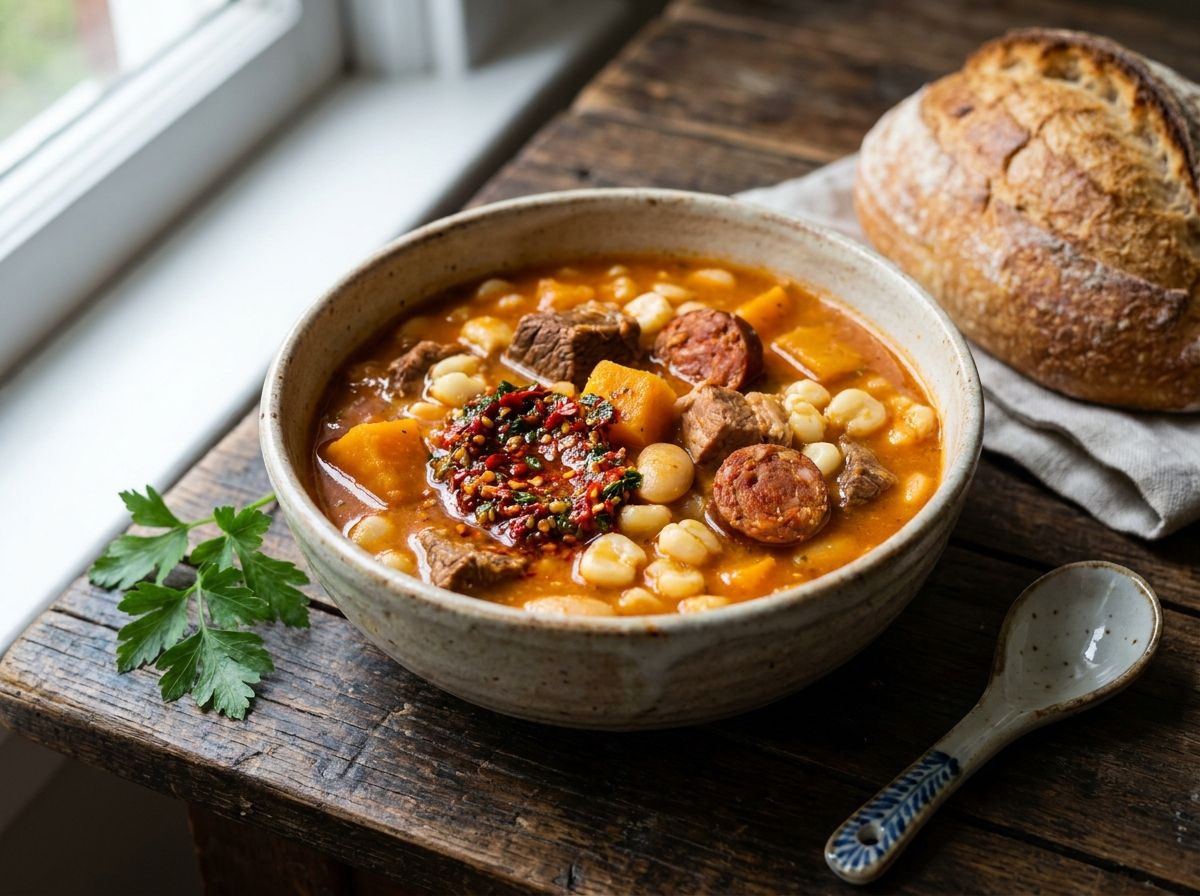
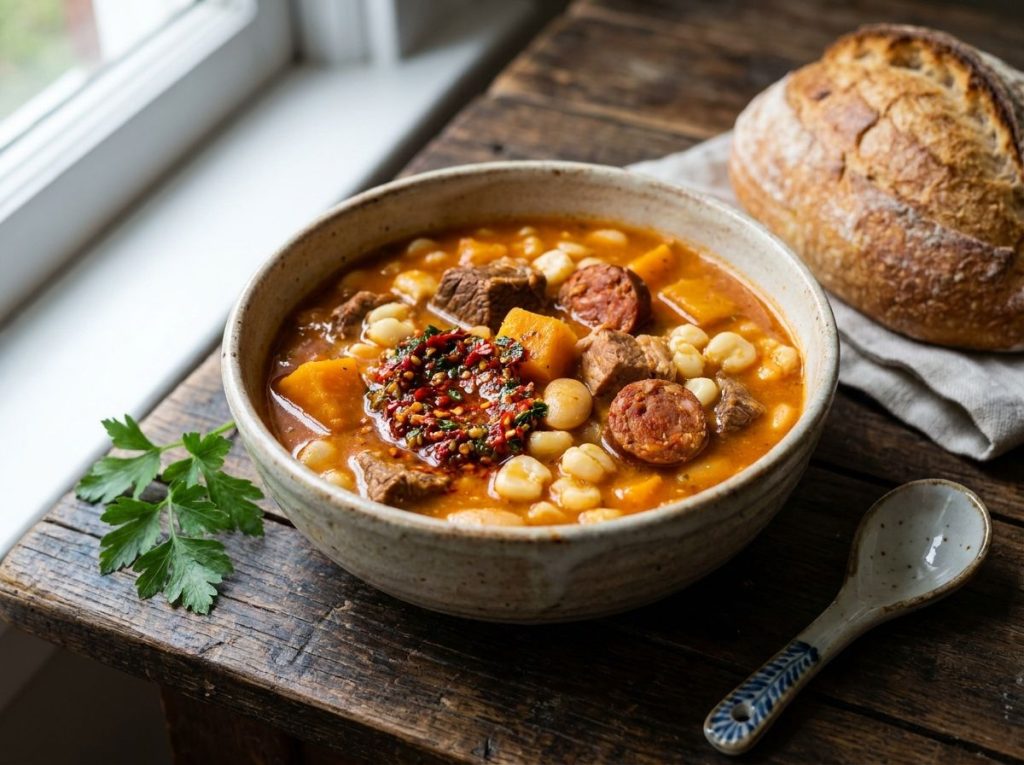
Recognizing signs of quality preparation helps distinguish exceptional locro from mediocre versions when you find restaurants claiming to serve this traditional dish. The visual appearance of locro provides immediate clues about preparation quality. Authentic locro should present as a thick, creamy stew with visible pieces of softened vegetables and distinct meat portions. The broth should appear creamy and substantial, not thin or watery, which indicates insufficient cooking time or inadequate ingredient ratios.
The presence of visible hominy kernels, some intact and others slightly broken down, demonstrates proper cooking technique. Hominy that has completely dissolved into a smooth paste suggests either overcooking or the use of regular corn instead of proper hominy. The pumpkin pieces should be easily identifiable, soft enough to break with a spoon, yet substantial enough to indicate fresh vegetable rather than processed alternatives.
Temperature matters significantly in evaluating locro quality. This stew should arrive genuinely hot, served in warmed bowls rather than at lukewarm temperatures. The heat retention indicates proper preparation immediately before service rather than reheating from storage. Professional restaurants maintain multiple batches throughout service hours, ensuring each portion reaches diners in optimal condition.
Flavor profiles in exceptional locro balance several elements without any single note overwhelming the composition. The natural sweetness from pumpkin should be noticeable but not overwhelming, complemented by savory meat flavors and subtle spice from paprika and cumin. The quiquirimichi sauce, when served separately as tradition dictates, provides controlled spice that enhances rather than masks the underlying flavors.
The Importance of Ingredient Quality and Sourcing
Where ingredients originate fundamentally impacts the final locro experience. Restaurants committed to authentic preparation often source specific items directly from suppliers specializing in Argentine products. Quality chorizo colorado from established Spanish producers or Argentine versions prepared using traditional methods contributes significantly to overall flavor profile.
Fresh pumpkin or squash selected for optimal sweetness and texture creates noticeable differences compared to pre-cut or frozen alternatives. Restaurants that mention seasonal sourcing or direct relationships with produce suppliers demonstrate commitment to ingredient integrity. The hominy selection also matters greatly, with properly alkaline-processed corn kernels creating vastly superior results compared to regular dried corn substituted for convenience.
Observant diners should feel comfortable asking restaurant staff about ingredient sources and preparation methods. Professional establishments welcome these questions and provide detailed responses about sourcing practices and traditional techniques. Reluctance to discuss ingredients or vague answers about preparation methods suggest lower commitment to authenticity.
Best Practices for Experiencing Locro Argentino
Approaching locro argentino as a cultural experience rather than simply consuming food enhances overall enjoyment and satisfaction. The stew pairs exceptionally well with Argentine wines, particularly Malbec or Cabernet Sauvignon. These wines complement the rich meat flavors and creamy texture while cutting through the natural sweetness imparted by pumpkin.
Traditional service suggests enjoying locro in deep, warmed bowls that maintain heat throughout the meal. Crusty bread provides an authentic accompaniment, allowing diners to capture every bit of broth and thickened stew. At 5ivemagazine, we understand the importance of honoring cultural traditions while exploring culinary excellence.
Locro represents best-enjoyed slowly, allowing flavors to develop across multiple spoonfuls rather than rushing through the meal. The extended cooking time that creates exceptional locro deserves matching appreciation during consumption. Conversation with dining companions, sipping paired wine, and savoring each element of the complex stew honors both the dish and the traditions it represents.
Making Authentic Locro at Home
For those unable to locate quality locro argentino restaurants nearby, home preparation offers rewarding alternatives while providing deeper appreciation for the dish’s complexity. The essential requirement involves obtaining proper ingredients, particularly quality hominy and authentic chorizo. Specialty shops and online retailers catering to Argentine cuisine enthusiasts make sourcing significantly easier than it was even five years ago.
Home preparation requires patience and commitment to traditional methods. Overnight soaking of hominy and beans cannot be rushed without compromising final results. The extended cooking time, typically two to three hours at a gentle simmer, allows flavors to develop and ingredients to reach optimal tenderness. Attempting to accelerate this process through high heat or extended cooking times produces mushy vegetables and inadequate flavor development.
Many Argentine families maintain their own locro recipes developed across generations, with variations reflecting regional origins or family innovations. These treasured recipes often exist only in oral tradition, passed from abuela to grandchildren without formal measurements. Home preparation offers opportunities to explore variations, test different meat combinations, or adjust spice levels according to personal preference while maintaining the essential character of authentic Argentine locro.
Conclusion
Finding the Best Fricase Boliviano Near Me involves understanding what distinguishes authentic preparation from casual interpretations of this complex dish. By recognizing key quality indicators, seeking restaurants demonstrating genuine commitment to traditional methods, and understanding the cultural significance of this Andean stew, you can pursue meaningful culinary experiences that honor Argentine heritage.
Whether you discover exceptional locro at a respected Argentine restaurant, explore international variations across South American cuisine, or prepare traditional versions at home, this beloved stew offers far more than nutritional sustenance. Every spoonful of properly prepared locro argentino connects you to centuries of cultural tradition, family traditions, and the shared appreciation for food prepared with patience, care, and respect for authentic ingredients and methods.