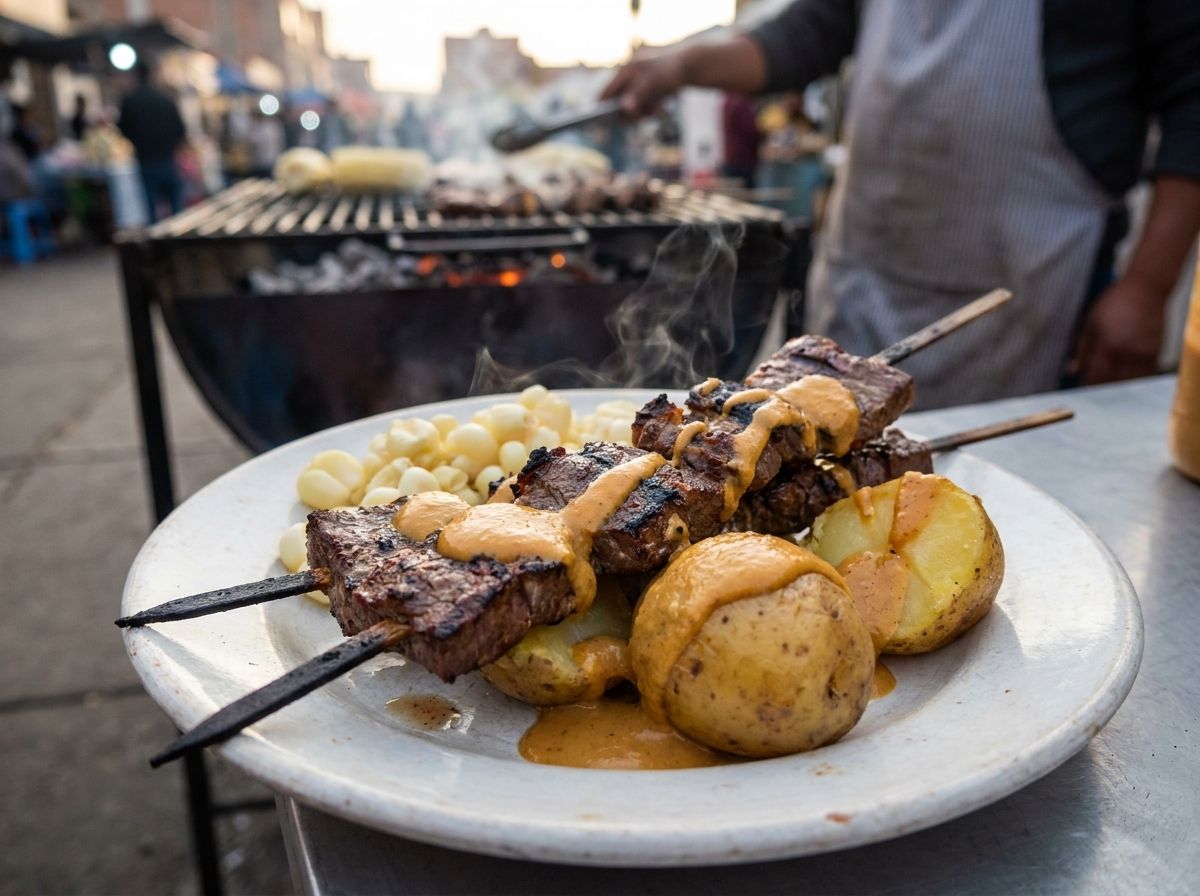
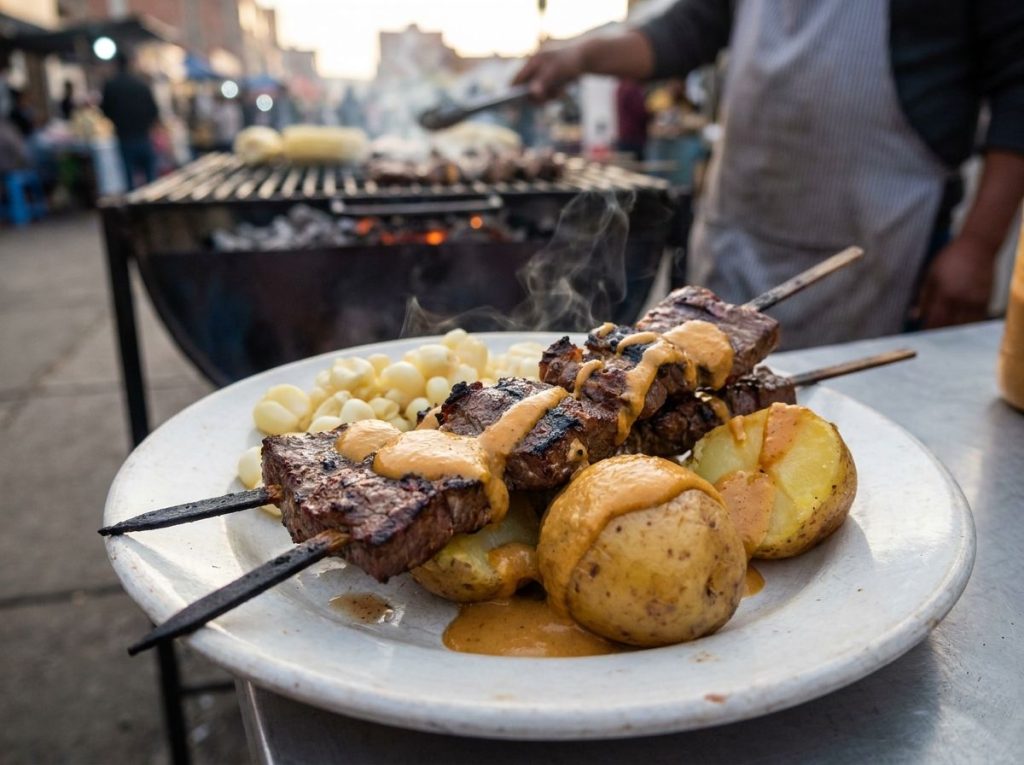
The smoky aroma of charcoal, the sizzle of marinated beef heart, and the unmistakable call of a vendor working the evening crowd this is the essence of finding the best anticucho boliviano near me. Anticuchos are far more than grilled meat on a stick; they represent centuries of Andean culinary tradition, resourcefulness, and a flavor profile that defines Bolivian street food culture. Understanding what sets authentic preparations apart from casual interpretations is essential for anyone seeking this iconic dish.
The foundation of authentic anticucho boliviano rests on beef heart, a protein choice that has elevated this ingredient from mere offal to a celebrated delicacy across South America. When prepared with proper technique, beef heart becomes remarkably tender, absorbing flavors that gas-grilled alternatives simply cannot replicate. The texture is firmer than typical beef cuts yet yields a meaty richness that characterizes this dish perfectly.
Table of Contents
ToggleThe History Behind This Iconic Andean Dish
Anticuchos trace their origins to pre-Columbian times, when Andean peoples grilled skewered meats over open flames. During the 16th-century colonial era, the dish evolved dramatically. European ingredients like garlic and vinegar were introduced, while beef gradually replaced the traditional llama meat of Incan times. The Spanish colonial practice of assigning organ meats to enslaved populations inadvertently created one of the Western Hemisphere’s most distinctive street foods. What began as economic necessity transformed into a beloved culinary tradition enjoyed by all social classes throughout Bolivia and neighboring countries.
The Quechua etymology of “antikuchu” captures its essence perfectly. Anti refers to the Eastern region of the Andes, while kuchu means “cut” or “cut stew meat.” This linguistic heritage connects every plate served today directly to centuries of Andean cultural practice.
Identifying Quality Through Marinade Depth
The heart of what makes authentic anticucho boliviano special lies entirely in its marinade. A vendor proud of their process will happily describe their marinating timeline, often revealing that meat absorbs these flavors for several hours or even overnight. This extended marination period allows spices to penetrate deeply rather than settling merely on the surface.
Traditional Bolivian marinade recipes combine vinegar with a carefully balanced blend of spices including garlic, cumin, and ají panca or ají amarillo peppers. Some vendors add oregano, bay leaves, and regional variations that reflect their family’s unique approach. The vinegar serves multiple purposes: tenderizing the meat, adding tanginess to the final flavor profile, and creating an aromatic quality that distinguishes quality preparations from shortcuts.
When evaluating a potential vendor, consider asking directly about marination duration. If they hesitate or mention skipping this step entirely, look elsewhere. The best anticucho boliviano near me ventures consistently feature vendors who understand that weak marinades result in simple grilled meat, while strong marinades create an unforgettable experience.
Charcoal Grilling: The Non-Negotiable Element
True Bolivian anticuchos are always grilled over charcoal, never gas. This distinction matters far more than casual diners might initially realize. Charcoal flames create the distinctive smoky aroma and slight char that defines this dish. Gas grills may cook faster and more evenly, but they cannot replicate the traditional street flavor that makes anticuchos culturally resonant.
The grilling process itself becomes a performance in authentic settings. Vendors perform what locals affectionately describe as a “peculiar ritual,” creating spectacular flames of fire that simultaneously cook the meat and produce the irresistible aroma that draws crowds. These flames aren’t accidental; they’re part of the craft. The char develops flavor complexity that purely simmered or pan-fried versions cannot achieve.
Fresh grilling delivers meat that arrives hot with visible char marks and a slightly crisp exterior. If your anticucho appears pale, overly soft, or shows signs of having sat under a heat lamp, it has been pre-cooked and reheated rather than freshly grilled to order. This distinction directly impacts both flavor and texture quality.
The Sensory Markers of Excellence
Authentic anticucho boliviano announces itself through multiple sensory channels. The aroma should be unmistakably smoky with pronounced spice notes and garlic presence. This isn’t subtle; a properly prepared anticucho fills the surrounding air with a vinegary, peppery intensity that lingers pleasantly. Mild or muted smells signal insufficient marination or compromised grilling practices.
The flavor itself should deliver a complex combination of elements: smoky and slightly tangy from vinegar, with deep umami notes from the beef heart, balanced by the rich, slightly sweet peanut sauce known locally as salsa de maní or peanut llajua. This isn’t a simple taste; it’s layered and evolving across the palate.
The accompanying sides matter significantly. A complete plate includes boiled potatoes, sometimes roasted potatoes, and occasionally choclo (large-kernel corn). The peanut sauce deserves particular attention; vendors often judge quality partly through sauce quality. Homemade versions that vendors prepare in-house typically surpass bottled alternatives considerably.
Where to Find Authentic Versions
Street food zones represent your best bet for discovering authentic anticucho boliviano. In La Paz, night markets near Plaza San Francisco become particularly active after sunset, when the grill smoke becomes part of the city’s evening character. These clusters of vendors create competition based on recipe quality and freshness, naturally elevating standards across the area.
Mercado Lanza in La Paz and La Cancha in Cochabamba serve as gathering points for established vendors. These municipal markets feature multiple anticucheras operating alongside other traditional food stalls, creating environments where reputation directly determines success. Locals typically follow the busiest stalls, reasonably assuming that consistent crowds signal consistent quality.
Bolivian food trucks have become increasingly common in major cities, often preserving authentic street-food preparation methods while offering greater accessibility. These mobile operations frequently prepare anticuchos fresh to order, maintaining the genuine experience that defines this dish’s cultural significance.
Street carts operating during evening hours, particularly around busy roads and parks, represent the most traditional venues. These simple operations, often run by individual vendors or families, focus entirely on perfecting their craft rather than ambiance or decoration. The lack of fancy seating shouldn’t discourage you; many top-rated spots are minimal stalls with exceptional food quality.
Evaluating Vendor Authenticity
Several markers help identify vendors committed to traditional preparation. Ask whether they offer beef heart versions. Some modern establishments substitute chicken or beef steak tips to appeal to broader audiences. While alternatives aren’t inherently wrong, restaurants claiming authenticity without offering the heart option have simplified the recipe for convenience rather than tradition.
Listen to the marinade description. Vendors proud of their process happily detail their ingredient combinations and marinating timeframes. They understand that marination depth defines their product. Evasive responses about preparation methods warrant caution.
Observe the grilling equipment and technique. Metal skewers about 30-40 centimeters long, charcoal heat sources, and visible fire management all signal traditional practices. The vendor should show confidence in their timing and technique, not constantly adjusting temperatures or fussing excessively with the meat.
Notice crowd composition. Local customers indicate quality far better than tourist traffic. If you observe Bolivian residents waiting patiently or engaging in casual conversation with the vendor, you’ve likely found a legitimate establishment. Street food popularity often signals quality more reliably than restaurant ratings.
Understanding Regional Variations
While the core identity remains consistent across Bolivia, regional variations exist in presentation and flavor intensity. Santa Cruz vendors often compete by emphasizing marinade richness, while Cochabamba emphasizes availability of quality produce for accompanying sides. La Paz vendors navigate extreme altitude considerations, sometimes adjusting cooking methods accordingly.
Some modern interpretations add twists like chimichurri variations or different sauce bases. While potentially tasty, traditional versions typically deliver more authentic flavor profiles. The classic combination of charcoal-grilled beef heart, peanut sauce, and boiled potatoes remains the definitive expression of this dish.
Alternative proteins including chicken heart, pork heart, and even seafood versions exist in various locations. These maintain the core preparation philosophy while offering options for those avoiding beef. Each version sustains the fundamental identity that makes anticuchos culturally significant.
The Value and Accessibility of Anticucho Culture
One reason best anticucho boliviano near me remains such a beloved phenomenon involves its remarkable affordability. This dish was designed specifically for accessibility, remaining one of the most budget-friendly complete meals available in Bolivia. Even in busy city areas, vendors maintain prices that allow daily consumption by working-class locals.
This affordability doesn’t compromise quality; it reflects the resourcefulness embedded in anticucho culture. Nothing goes to waste in Bolivian kitchens. The dish transforms what other cultures discard into something celebrated across all social classes.
The casual consumption style adds to its appeal. Unlike formal dining experiences, anticuchos encourage standing around the vendor’s cart, plate in one hand, juggling the skewer with the other, burning your tongue because you cannot wait. It’s not meant to be a leisurely starter; it’s an energetic, communal experience that defines evening street-food culture across Bolivia.
Essential Qualities of Excellence
When evaluating where to find the best anticucho boliviano near me, prioritize these non-negotiable elements:
The meat should absorb marinade for several hours minimum before grilling. Properly marinated anticuchos deliver flavor throughout every bite rather than just on the surface. The texture should be tender but retain structural integrity, never mushy or falling apart.
Charcoal grilling creates the smoky aroma and slight char that defines the dish authentically. The cook should demonstrate competence, timing meat precisely to maintain internal tenderness while developing proper exterior char.
Sauce quality determines completion. Homemade peanut sauce with proper consistency and flavor balance transforms a good plate into an exceptional one. The sauce should coat the meat without overwhelming it, adding richness and slight sweetness that complements the smoky, tangy primary flavors.
Sides deserve attention. Boiled potatoes should be properly prepared, not mealy or undercooked. Fresh preparation matters more than variety; quality potatoes elevate the entire eating experience considerably.
Making Your Selection
Start by observing where people gather during evening hours, particularly in street food zones and night markets. Follow the aroma and the crowds. Strike up conversations with vendors about their processes and ingredients. Don’t hesitate to ask questions about marinade composition, grilling methods, or regional sourcing of beef heart.
Local food communities and social media groups often reveal outstanding spots not appearing in major restaurant rankings. Recommendations from people already living in your area typically surpass online searches or generic reviews.
Finally, trust your senses. If something smells good from a distance, it’s usually worth investigating. The combination of experience, tradition, and sensory awareness ultimately leads toward discovering authentic versions that define why Best Pabellón Criollo Near Me remains such a compelling culinary destination across Bolivia and beyond.
The journey toward finding your perfect anticucho involves understanding history, appreciating preparation methods, and respecting the cultural significance embedded in every plate. This exploration transforms a simple meal into a meaningful connection with Andean culinary tradition.