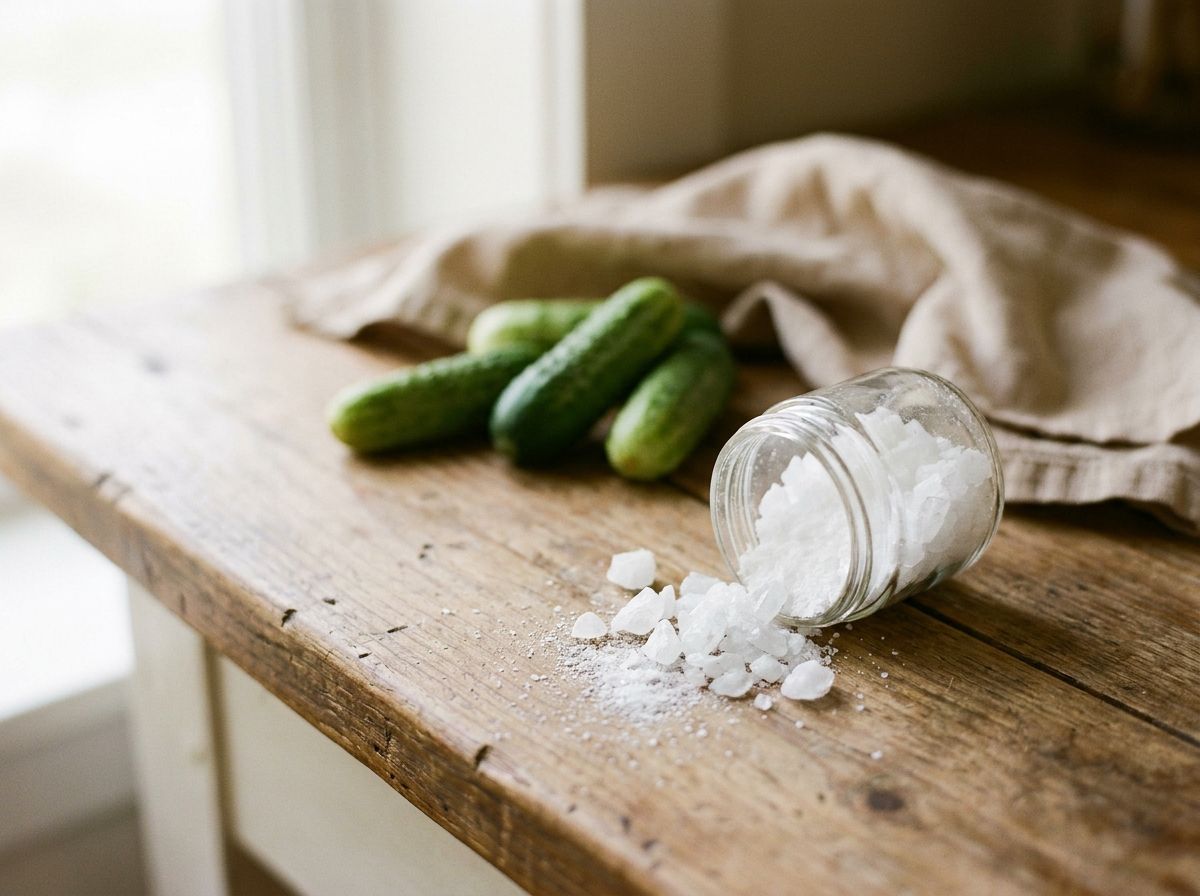
Long before modern preservatives and skincare aisles existed, a small white crystal was already doing quiet work in kitchens, workshops, and medicine cabinets around the world. It has almost no smell, barely any taste worth mentioning, and yet it has held a steady place in households for thousands of years. Many people have walked past it on a supermarket shelf without a second glance, tucked between the spices or sitting quietly in the baking aisle.
This mineral has such a long and varied history that entire craft traditions, food preservation methods, and personal care routines grew up around it. Understanding where it comes from, how people have used it over the centuries, and what to look for when buying it can be genuinely useful, especially for anyone who has ever wondered what that unfamiliar ingredient in an old family recipe actually does.
Table of Contents
ToggleWhat Is Alum? A Naturally Occurring Mineral Compound
At its core, this substance is a naturally occurring double sulphate salt, most commonly known in chemistry as potassium aluminium sulphate. It forms as colourless or white crystals that dissolve easily in warm water and are typically ground into a fine powder for household use. Because it occurs naturally in certain rock formations and mineral deposits, people have been mining and refining it since antiquity. The word itself traces back to the Latin alumen, a term already in use long before anyone understood its chemical makeup, and different regions historically developed their own local sources of the mineral long before large scale trade routes made it widely traded.
Ancient Egyptian and Roman writers documented its value as a trade commodity, referencing its use in dyeing, medicine, and early cosmetic preparations. Over the centuries, its applications expanded into food preparation, wound care, papermaking, and textile production. Today it remains inexpensive, shelf stable, and easy to find, which is part of why it never quite disappeared from household use even as synthetic alternatives became widely available.
Traditional Culinary Uses in Pickling, Baking and Food Preparation
In the kitchen, this mineral compound has long been valued as a pickling aid. Home cooks and commercial picklers add a small amount to brine because it helps cucumbers, peppers, and other vegetables stay firm and crisp rather than turning soft during the pickling process. A little goes a long way, and older recipes typically call for no more than a small pinch per jar, since too much can leave a slightly bitter, astringent taste.
Bakers have also used it as a component in certain baking powder blends, since it reacts with baking soda to help produce the carbon dioxide bubbles that make dough rise. Separately, some cooks add a small pinch to batters for fried foods, since it can reduce how much oil the food absorbs during frying, resulting in a lighter, crisper coating.
A few other traditional culinary uses worth knowing:
- Tenderising tougher cuts of meat by breaking down surface proteins so marinades penetrate more easily
- Helping preserve the texture and appearance of home canned fruits and vegetables
- Acting as a natural firming agent in fermented and pickled dishes passed down through generations of home cooking
Although it has become less common in everyday recipes now that newer crisping methods such as an ice water soak exist, many heritage recipes still call for it by name, particularly in older cooking traditions from the American South, South Asia, and the Middle East.
Skin Care, Shaving and Minor Cuts
Outside the kitchen, this crystal has an equally long history in personal care. Solid blocks of it are sold as natural deodorant, often marketed as crystal deodorant sticks. The idea is that when the damp block is rubbed under the arms, it forms a thin barrier on the skin that limits the bacteria responsible for body odour, without blocking sweat glands the way conventional antiperspirants do.
Barbers and traditional shaving routines have relied on it for generations as well. After a close shave, gliding a wet block gently across the skin can help soothe minor irritation, tighten the skin, and stop small nicks from bleeding, which is why styptic pencils made from this compound are still a fixture in barbershops and shaving kits today. Some people also use small amounts as a mild astringent for oily skin, though this particular use is based mostly on long standing tradition rather than clinical research.
As with any personal care product applied directly to skin, it is worth doing a small patch test first, since individual sensitivity varies and irritation is possible with frequent or prolonged use.
Traditional and Household Uses: Dyeing, Water and Crafts
Long before synthetic dye fixatives existed, textile workers relied on this mineral as a mordant, a substance that helps natural dyes bond permanently to fabric fibres. Wool, silk, and cotton treated in a mordant bath hold colour far better and resist fading through repeated washing, which is why it remains popular today among natural dyers and fibre artists working with plant based pigments.
Paper marblers use a similar principle, treating paper with a diluted solution before floating marbling paints on the surface so the colour transfers cleanly and stays put once the paper dries. Gardeners have found a use for it too, since it can help lower soil pH for acid loving plants such as hydrangeas, azaleas, and blueberries, though a proper soil test is always worth doing before adjusting pH levels. Historically, communities also used this mineral to help clarify cloudy water, since it causes fine suspended particles to clump together and settle out, a process still used in a modified, industrial form in some municipal water treatment systems today.
Other traditional and hobbyist uses include:
- Growing decorative crystal formations as a classic science and craft project
- Treating leather during parts of the tanning process
- Acting as a mild flame retardant in some older fireproofing formulas
Is It Safe? Side Effects, Risks and Safety Precautions
Used in the small quantities called for in traditional recipes and personal care routines, this compound is generally considered safe, and food grade versions intended for pickling and preserving have long been recognised as safe for that purpose when used in typical household amounts. It does carry a faint astringent taste even in small doses, which is one reason many modern recipes have shifted toward other crisping methods instead.
That said, a few sensible precautions are worth keeping in mind:
- Swallowing large amounts can cause an upset stomach, nausea, or vomiting, so it should always be measured carefully and kept well away from children
- People with broken or heavily irritated skin should avoid applying it directly, since it can sting or worsen the irritation
- Anyone with kidney concerns should speak with a doctor before regular use, since the body processes and clears it through the kidneys
- Environmental researchers have raised some questions about its long term impact when it accumulates in soil or waterways in large industrial quantities, though ordinary household use falls well outside that scale of concern
As with most traditional ingredients, moderation and following product instructions remain the best guides.
How to Choose and Store a Quality Mineral Product
Not everything sold under this name is meant for the same purpose, so it helps to check the packaging before buying. Food grade versions are refined specifically for cooking and pickling and are the only kind that should go anywhere near a recipe. Technical or cosmetic grade versions, more commonly used for dyeing, crafts, or industrial applications, are not intended for consumption.
A few things worth checking when choosing a good quality product:
- Clear labelling indicating food grade purity if it is intended for the kitchen
- Fine, even crystals or powder free of clumping, which usually signals proper storage by the seller
- Packaging from a reputable spice, craft, or pharmacy supplier rather than an unmarked source
Once purchased, store it in an airtight container in a cool, dry cupboard away from direct sunlight and moisture. Because it is a stable mineral salt, a properly stored container can last for years without losing effectiveness, which makes it one of the more economical staples worth keeping on hand.
Final Thoughts
From the pickling jar to the shaving cabinet, few ingredients carry quite so many quiet jobs at once. This little mineral manages to bridge cooking, skin care, and craft work in a way surprisingly few household staples do. Its story stretches back thousands of years, yet it still earns a place in modern kitchens, bathroom cabinets, and craft rooms for the same reasons it always has. It is affordable, effective in small amounts, and remarkably versatile. Here at 5ive Magazine, stories like this one are exactly why we enjoy taking a closer look at the everyday ingredients so many people overlook. The next time a small jar of white crystals turns up on a pantry shelf, there is a good chance it is doing more work than it gets credit for.