If you have spent any time scrolling through cocktail menus lately, you may have noticed a quiet newcomer working its way onto bar lists in unexpected places. The chuflay is not as instantly recognisable as a mojito or a gin and tonic, yet anyone who has tried one tends to remember it. It is light, gingery, faintly floral, and surprisingly easy to drink considering how unusual its main ingredient is. For people searching for the best chuflay cocktail near me, the appeal usually comes down to curiosity. This is a drink with genuine history behind it, and tasting one properly is a small way of connecting with a culture and a craft that stretches back generations.
This guide walks through what a chuflay actually is, where it came from, what goes into a well made one, and how to recognise quality when you are ordering one out or mixing one at home.
Table of Contents
ToggleWhat Is a Chuflay Cocktail?
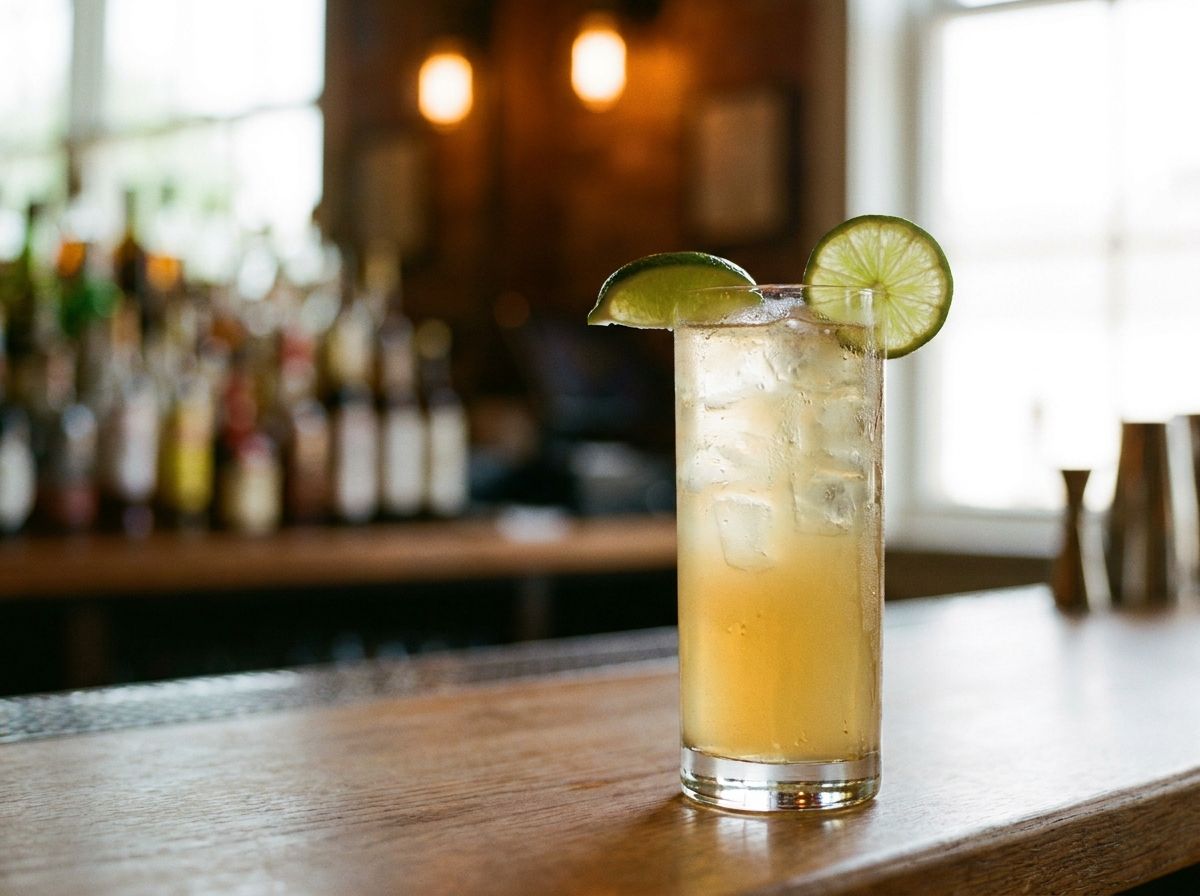
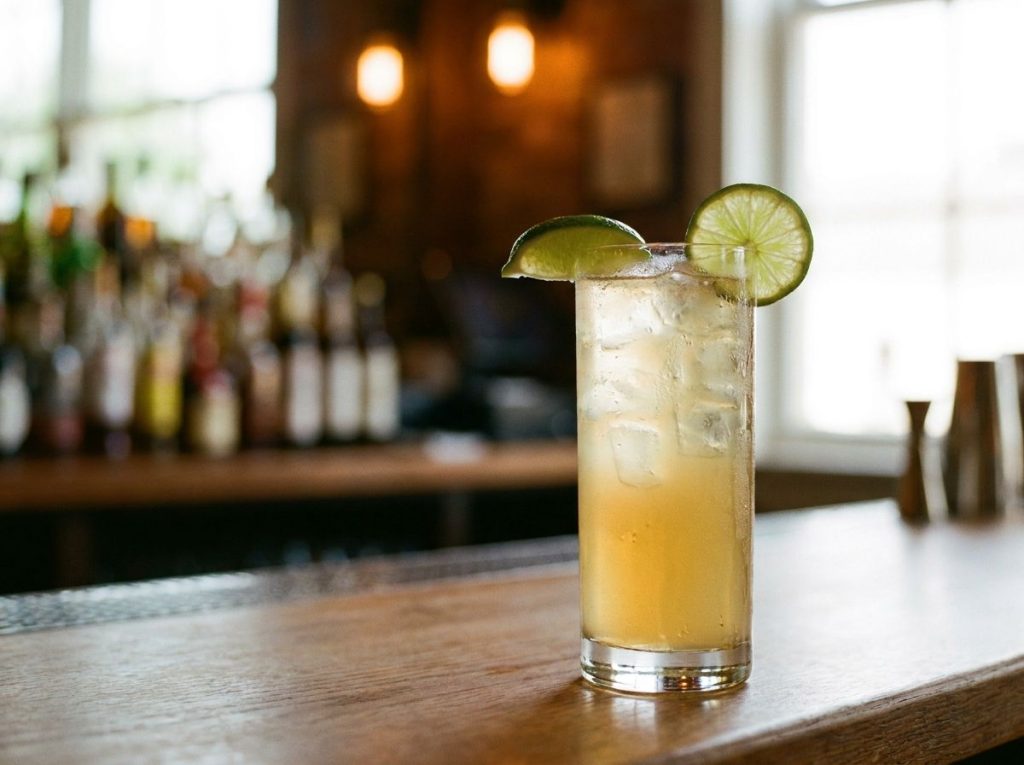
At its simplest, a chuflay is a long, fizzy highball built around three things: a Bolivian grape spirit called singani, ginger ale, and a generous squeeze of fresh lime. It is served over ice in a tall glass, usually finished with a lime wedge or wheel, and it belongs to the same family of drinks as a gin and tonic or a Moscow mule, though it has a personality entirely of its own.
What separates a chuflay from other highballs is the spirit underneath it. Singani is distilled from Muscat of Alexandria grapes grown at high altitude in the Bolivian Andes, often well above 1,600 metres. That altitude matters more than people realise. The cooler temperatures and intense sunlight at that height help the grapes develop a more concentrated aroma, and the result is a spirit with a soft, floral quality that sits somewhere between a brandy and an eau de vie. When that gets mixed with ginger ale and lime, the floral notes come through gently rather than getting buried, which is part of why the chuflay tastes so much lighter than its ingredient list might suggest.
Bolivia takes its national spirit seriously enough that singani carries its own Denomination of Origin, similar in spirit to how Champagne is protected in France. Only spirit distilled from those specific high altitude grapes, in defined regions of Bolivia, can legally be labelled as singani. That level of protection is a strong signal of quality control, and it is one of the reasons the chuflay has started attracting attention from bartenders well outside South America.
Where the Chuflay Cocktail Comes From
The most commonly told story behind the chuflay traces back to the railway era in Bolivia, somewhere around the turn of the twentieth century. British engineers working on the country’s rail lines were said to enjoy a simple gin and ginger ale long drink back home, and they kept the habit going while working abroad. When supplies of gin ran short, as imported spirits often did in remote parts of the Andes, the engineers reportedly swapped in the local spirit instead. Ginger ale and a slice of lime stayed the same, only the base spirit changed, and the chuflay was born almost by accident.
The name itself has a few competing explanations, most tracing back to railway slang. One version suggests the term came from “short fly,” a phrase used to describe a temporary stretch of track laid to get around an obstacle. Since the gin shortage was originally meant to be temporary too, the name may have stuck as a bit of dry humour. Another telling points to “shoo fly,” a reference to constantly waving away insects drawn to the sweetness of the drink in the heat. Either way, the pronunciation softened over time into the word used today the Best Anticucho Boliviano Near Me.
None of these stories come with hard documentation, and that is part of the chuflay’s charm rather than a weakness. It has been a fixture at Bolivian family gatherings, weddings, and everyday evenings for well over a century, regardless of which version of the origin story you choose to believe.
What a Properly Made Chuflay Should Taste Like
A good chuflay should taste balanced rather than sweet. The ginger ale is there to lengthen the drink and add a bit of spice and fizz, not to dominate it. The lime brings sharpness and keeps everything feeling fresh rather than syrupy. Underneath all of that, the singani should still be noticeable, contributing a gentle warmth and a floral, almost grape forward note that lingers after each sip.
When a bar gets the proportions right, you should be able to pick out each element without any one of them overpowering the others. A heavy hand with the ginger ale tends to flatten the drink into something closer to a generic soft drink with alcohol in it. Too little, and the chuflay can taste sharp and unbalanced. The better bars treat this drink with the same care they would give a classic like a whisky highball, building it slowly over ice rather than rushing it together.
A few signs tend to separate a thoughtfully made chuflay from a rushed one:
- Fresh lime juice or a freshly cut wedge, rather than a bottled substitute
- A ginger ale that has real ginger character rather than tasting purely sugary
- Singani poured generously enough that its flavour actually comes through
- Proper ice, since a drink this simple depends on dilution happening slowly rather than all at once
- A clean glass and a presentable garnish, which says something about the overall care behind the bar
Singani: The Spirit That Makes the Chuflay What It Is
It is impossible to talk about the chuflay without spending real time on singani itself, since the spirit is what gives the drink its identity. Singani has been distilled in Bolivia for centuries, with roots stretching back to the era of Spanish colonial winemaking. Missionaries are generally credited with bringing the Muscat of Alexandria grape to Bolivia hundreds of years ago, and the spirit that grew out of those vineyards has remained closely tied to the country’s identity ever since.
Unlike many aged spirits, singani is typically unaged, which keeps its flavour clean and bright rather than woody or heavy. That makes it versatile behind the bar, since it can stand in for gin, vodka, or even a lighter brandy in a wide range of cocktails, while still bringing something distinct to the glass. Its quality largely comes down to where the grapes are grown. High altitude vineyards mean big swings between daytime heat and nighttime cold, which slows down ripening and concentrates aromatic compounds in the fruit, giving the finished spirit more perfume and personality than a neutral spirit would have.
Singani spent most of its history as something close to a regional secret, rarely seen outside Bolivia. That began to shift over the past decade or so, partly thanks to growing international interest in lesser known South American spirits. That exposure has slowly opened doors for the spirit, and for the chuflay along with it, in cocktail bars across the United States and parts of Europe, including a small but growing presence in the UK.
Finding the Best Chuflay Cocktail Near Me
If you are hoping to track one down locally, start with places that have a genuine interest in South American spirits or a broader craft cocktail focus. Bolivian and Latin American restaurants are the most reliable bet, since singani is often already part of their pantry. Beyond that, craft cocktail bars that pride themselves on rotating, lesser known spirits are increasingly likely to have a bottle somewhere on the back bar, even if the chuflay itself is not printed on the menu.
It is worth asking your bartender directly if you do not see it listed. Many bars stock singani for one or two specific drinks and are happy to make a chuflay on request. Specialist spirits retailers are a good resource too, since stock tends to be more reliable through shops that focus on a wide international range rather than general supermarkets. As more bartenders experiment with Latin American spirits, this drink is increasingly turning up tucked into “world classics” sections of menus, sitting alongside pisco sours and caipirinhas.
How to Make a Chuflay at Home
The biggest advantage of the chuflay is that it asks very little of you in terms of equipment or skill, which makes it an easy drink to recreate if you cannot find one nearby. Once you have a bottle of singani, the rest comes together in minutes.
A simple approach:
- Fill a tall highball glass with ice
- Pour in around 60ml of singani
- Top with chilled ginger ale, leaving room for a final squeeze of lime
- Add fresh lime juice to taste, or simply drop in a wedge and let it infuse as you drink
- Stir gently and garnish with an extra lime wheel
Ginger beer can be used in place of ginger ale if you prefer a spicier, less sweet result, though that moves slightly away from the traditional version. Either way, the proportions are flexible enough to adjust to your own taste, and most home cooks find their ideal ratio after a couple of attempts.
Why the Chuflay Is Worth Seeking Out
Plenty of cocktails promise something different, but few actually deliver an experience this distinct from a single unfamiliar ingredient. The chuflay is not trying to be complicated, and that restraint is exactly what makes it work. It gives singani room to be the centre of attention while still feeling like an easy, sociable drink rather than something overly serious.
For readers of 5ive Magazine who enjoy discovering drinks with a real story behind them, the chuflay offers something a little different from the usual rotation of gin and rum based classics. It rewards a bit of curiosity, a willingness to ask your bartender a question or two, and an appreciation for a spirit that has only recently started getting the recognition it deserves outside its home country. Whether you find one already poured at a bar nearby or end up mixing your own at home, a properly made chuflay is well worth the search.