If you’ve typed “best coca de recapte near me” into a search bar, you’re already curious about one of Catalonia’s most loved flatbreads. This dish has been feeding villages, families, and curious travelers for generations. It looks simple on the surface, just dough and vegetables, but there’s a lot of history packed into every slice.
Whether you’re hunting for a bakery that gets it right, or you just want to understand what you’re ordering, this guide walks you through everything worth knowing. By the end, you’ll know exactly what separates a good coca de recapte from a forgettable one.
Coca de recapte isn’t trying to be flashy. It’s built around patience, good vegetables, and an oven that knows what it’s doing, which is exactly why it has lasted for centuries instead of fading into a passing food trend.
Table of Contents
ToggleWhat Is Coca de Recapte?
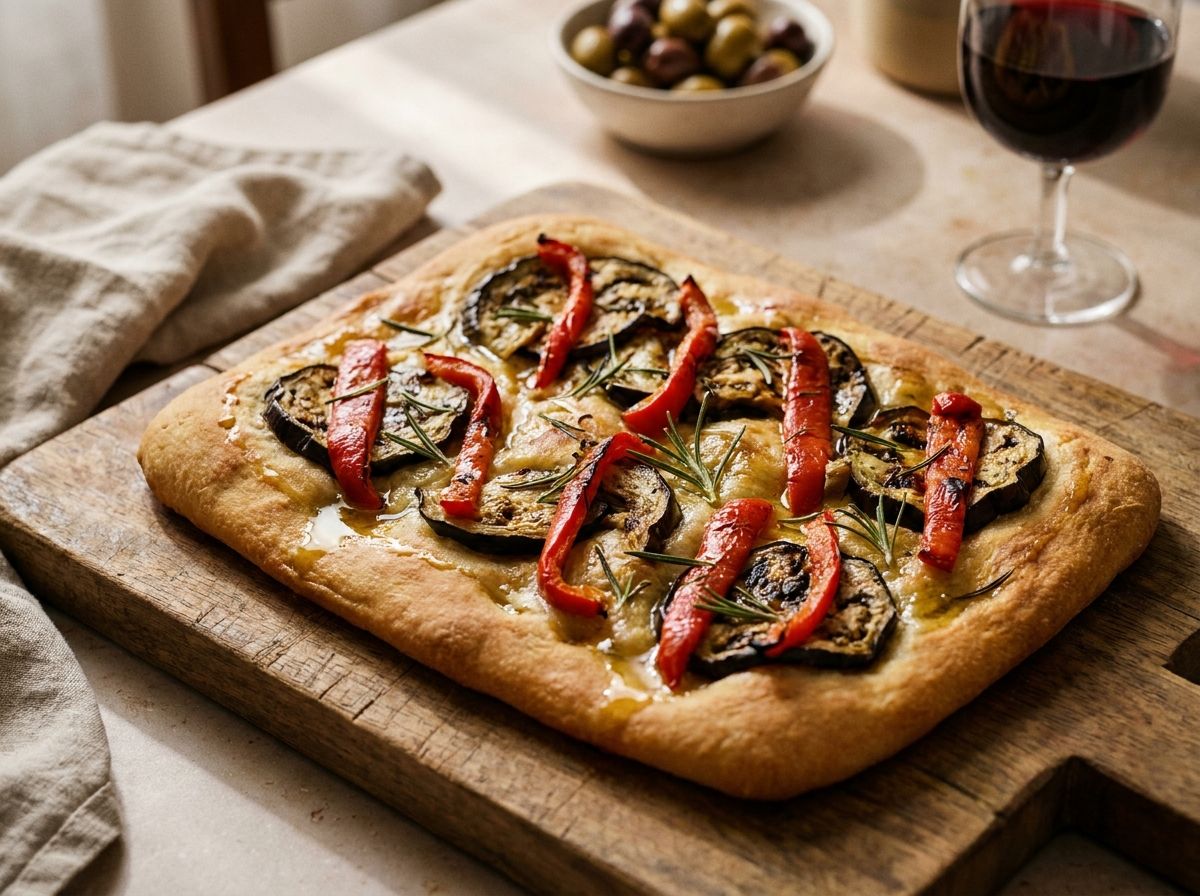
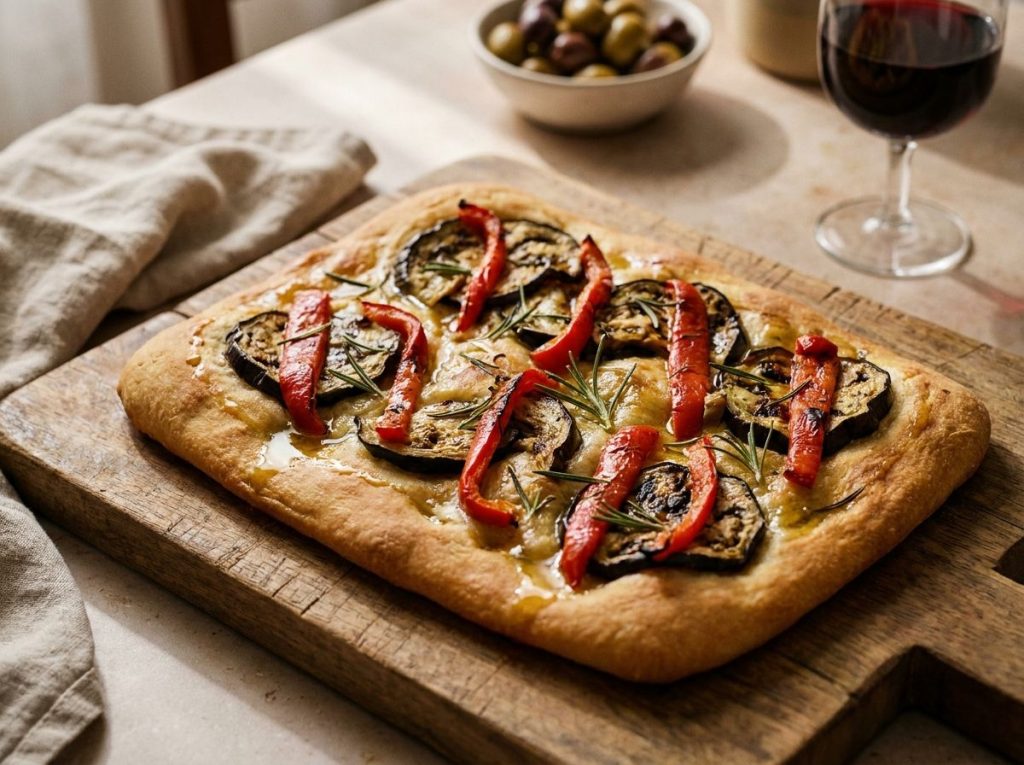
Coca de recapte is a traditional Catalan dish made from a thin bread base topped with roasted vegetables, and sometimes fish, sausage, or cured meats. Picture a Catalan flatbread, flatter and crunchier than a typical pizza crust, with a much simpler topping. It sits at the savory end of Catalan cuisine, in the same family as dishes like pa amb tomàquet, and it belongs to a wider group of Mediterranean flatbreads that includes Italian focaccia and French fougasse.
Where the Name Comes From
The Catalan word “recaptar” means to gather, and that’s exactly what this dish was built on. Families would collect whatever vegetables were ready in the garden, peppers, eggplant, onions, sometimes tomatoes, and bring them to the local baker. The result was a coca made from shared ingredients rather than a fixed recipe passed down on paper.
Coca de Recapte vs Coca de Forner
Not every coca is savory. Coca de forner, or baker’s coca, is the sweet version, often glazed with anise and eaten at breakfast or as a snack. Coca de recapte sits firmly on the savory side, built around roasted vegetables instead of sugar and candied fruit.
Texture and Flavor You Should Expect
A well-made coca de recapte has a distinctly different bite than pizza or focaccia. The base stays thin and slightly crisp, almost cracker-like at the edges, while the center holds just enough chew to feel like real bread. On top, the roasted vegetables should taste sweet and faintly smoky rather than oily or heavy, with olive oil tying everything together instead of drowning it.
What Makes the Best Coca de Recapte Near Me Stand Out
Not all versions are created equal, and once you’ve tried a great one, it’s hard to settle for less. A few small details separate the memorable bakes from the average ones.
The Dough Matters More Than You Think
A proper coca de recapte starts with a thin, slow-fermented dough. It should be crisp on the bottom and slightly chewy at the edges, never soggy under the weight of the toppings. Bakers who let the dough rest for hours, sometimes overnight, tend to produce a much better base.
Escalivada Is the Heart of Every Good Coca
Most traditional versions start with escalivada, a mix of fire-roasted red peppers and eggplant, sometimes joined by onion. This smoky base is what gives coca de recapte its signature richness. Skip the escalivada, and you’re really just eating a vegetable flatbread under a different name.
Common Toppings Beyond the Classic Recipe
Once the escalivada is in place, bakers get creative with what goes on top. Salted sardines, butifarra sausage, tuna, anchovies, and olives are common additions across different regions of Catalonia. Some bakers even add a light tomato and onion sofregit underneath for extra flavor.
A Short History Behind This Catalan Tradition
Born From Village Bakers and Shared Ovens
Long before home ovens were common, villagers didn’t have the means to bake at home. They’d bring their vegetables to the town bakery, where the baker combined everyone’s contributions into cocas that the whole village would share. That spirit of pooling resources is baked right into the name of the dish itself.
A Dish Tied to Catalan Festivals
Coca de recapte shows up around Easter, Christmas, and especially Sant Joan in late June, when Catalonia celebrates the summer solstice with bonfires and shared meals. You’ll also spot it during local festivals like La Mercè in Barcelona. It isn’t just food, it’s a small marker of celebration and community that has stuck around for centuries.
How to Find the Best Coca de Recapte Near Me
If you’re searching outside Catalonia, finding an authentic version takes a little more effort, but it isn’t impossible.
Start With Artisan Bakeries
Independent, artisan bakeries, especially ones with Spanish or Mediterranean roots, are usually your best bet. Ask if they make their own dough in house and roast their own vegetables. A baker willing to talk you through their escalivada process is almost always a good sign of quality.
Check Local Markets and Mediterranean Delis
Farmers markets and specialty delis sometimes carry regional dishes that never make it onto a printed restaurant menu. Vendors focused on Spanish or Catalan products are worth a closer look, even if coca de recapte isn’t listed by name. These spots often rotate their offerings, so it might only show up on certain days of the week.
Ask About Regional Variations
Depending on the area, this dish goes by a few different names, including cóc, coca salada, or simply coca de recapte. In Lleida and Tarragona, the eggplant and pepper version is especially common, while other regions lean toward different combinations. Knowing these names helps when a menu uses different wording than what you originally searched for.
Try Mediterranean Restaurants and Tapas Bars
Tapas bars and Mediterranean restaurants sometimes feature coca de recapte as a starter or shared plate, even if it isn’t printed on every menu. Staff who can describe the toppings in detail, rather than just calling it “Spanish flatbread,” usually know the dish well. It’s also worth asking if the kitchen makes their escalivada fresh that day, since pre-made versions tend to lose a lot of their smoky character.
How to Tell a Good One From a Mediocre One
Look at the Crust
A well-made coca should hold its shape without going limp when you pick up a slice. The edges are usually a touch thicker, just enough to keep the toppings from spilling over during baking.
Smell and Taste the Vegetables
Good escalivada carries a faint smoky note from real roasting, not just steaming in a closed oven tray. If the peppers and eggplant taste flat or watery, the kitchen likely rushed the process to save time.
Portion and Presentation
Authentic coca de recapte is usually cut into rectangular slices rather than wedges. It’s meant to be shared, so portions tend to be generous and a little casual rather than precisely plated.
Can You Make Coca de Recapte at Home?
If your search for the Best Pescado Frito Con Patacones Near Me keeps coming up empty, making your own is a satisfying backup plan.
Basic Ingredients You’ll Need
You’ll need flour, olive oil, yeast, salt, and water for the dough, along with red peppers, eggplant, and onion for the topping. A simple coca de recapte recipe can also include sardines, anchovies, or a mild sausage like butifarra if you want to add some protein.
Simple Steps to Get Started
- Mix the dough and let it rest for a few hours, or overnight, until it roughly doubles in size.
- Roast the peppers, eggplant, and onion until soft and lightly charred at the edges.
- Peel and slice the roasted vegetables once they’ve cooled enough to handle.
- Stretch the dough into a thin rectangle on a floured baking sheet.
- Layer the vegetables evenly, drizzle with olive oil, and add any extra toppings you like.
- Bake at a high temperature until the edges turn golden and the base feels crisp.
Storing and Reheating Leftovers
Coca de recapte keeps well in the fridge for two to three days when wrapped loosely. Reheat it in a hot oven for a few minutes rather than a microwave, so the base crisps back up instead of turning soft. Many people actually prefer it cold or at room temperature the next day, which is close to how it was traditionally eaten on picnics and outdoor gatherings.
Bringing a Taste of Catalonia to Your Table
Whether you find it at a neighborhood Catalan bakery or bake it yourself, coca de recapte is worth the search. It’s a dish built on patience, shared ingredients, and a long-running tradition of turning simple produce into something worth gathering around.
If this is your first time trying it, start simple. A classic escalivada topping will tell you more about a bakery’s skill than any specialty version piled high with extras.
The next time you search for the best coca de recapte near me, you’ll know exactly what to look for, and exactly what you’re missing if you settle for less. Authentic Catalan food rarely needs to be fancy to be memorable. Sometimes the simplest combination, roasted vegetables, good bread, and a little olive oil, tells the richest story.