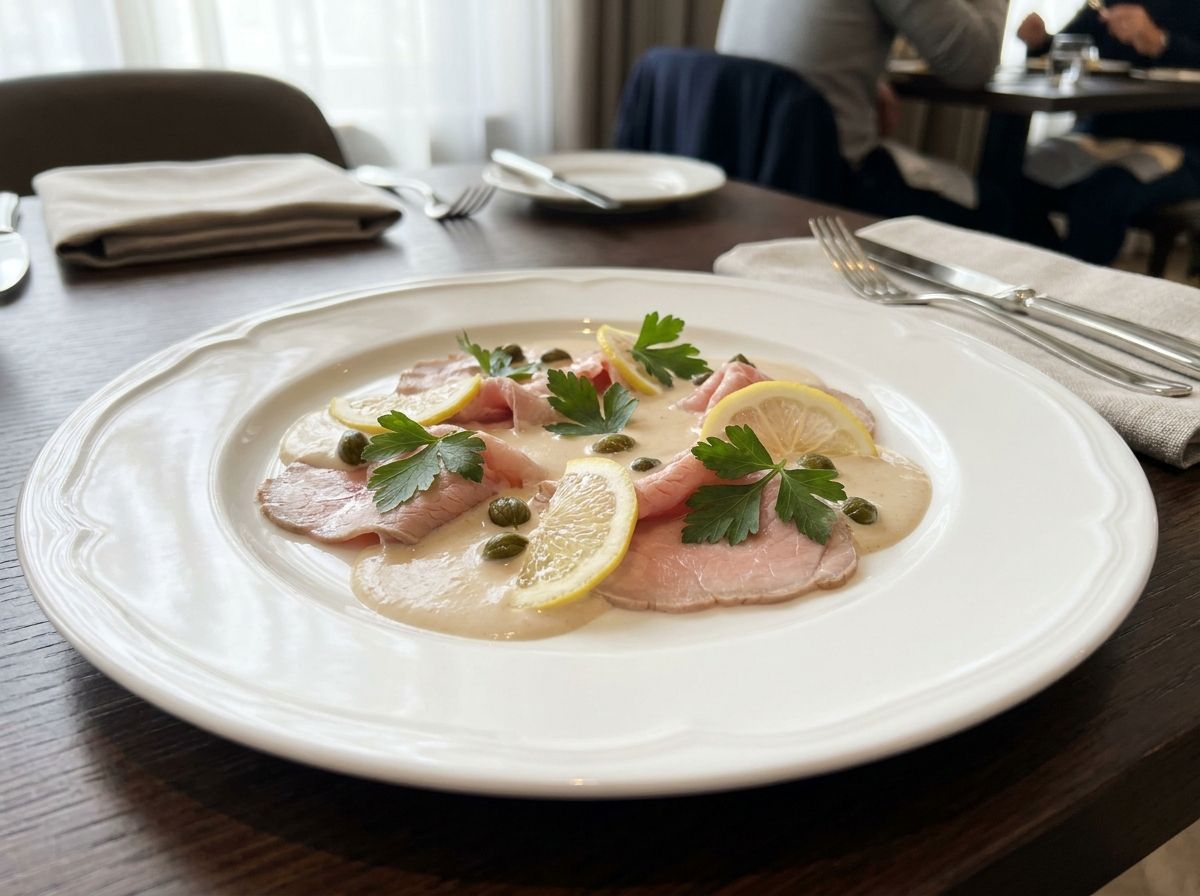
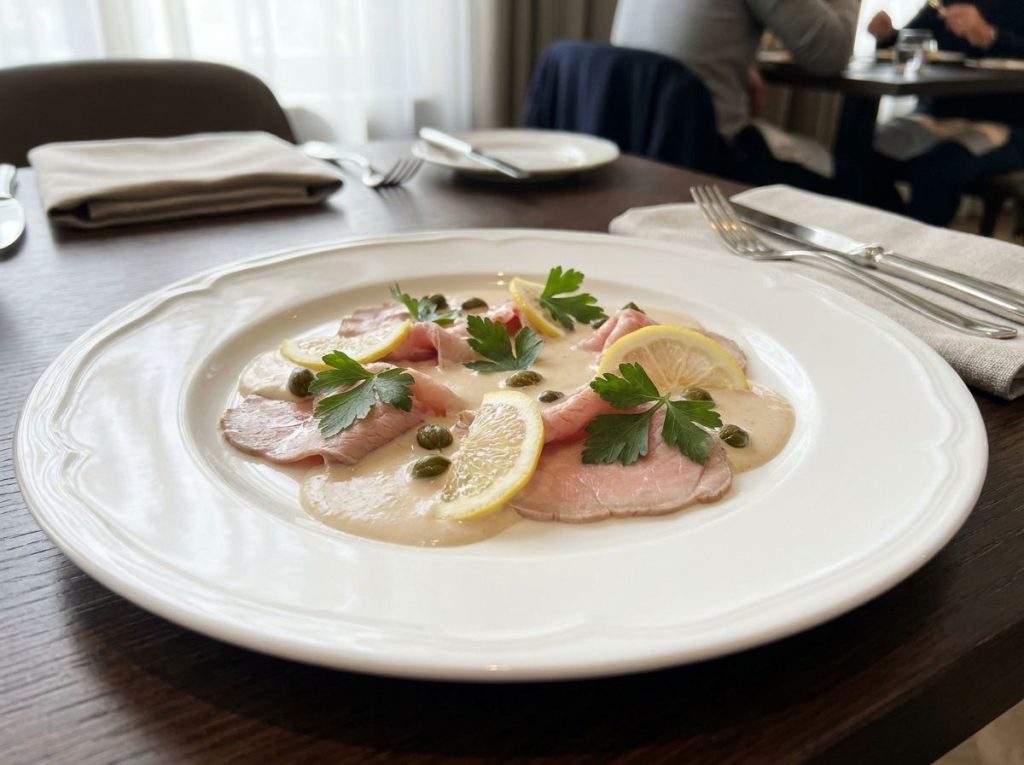
Vitel tone, known formally as Vitello Tonnato, represents one of the most sophisticated yet accessible dishes in European cuisine. This elegant preparation combines tender veal with a luxurious tuna-based sauce, creating a refined experience that feels both indulgent and refreshingly light. Whether you’re discovering this dish for the first time or seeking the finest interpretations available, understanding what constitutes exceptional vitel tone will elevate your appreciation for this timeless classic.
Table of Contents
ToggleVitel Tone and Its Culinary Significance
Vitel tone is a Piedmontese specialty consisting of thinly sliced veal served at room temperature or chilled, generously topped with a creamy sauce derived from tuna, anchovies, capers, and mayonnaise. The name itself, drawn from Piedmontese dialect, literally translates to “tuna veal,” reflecting the dish’s unique characteristic of combining meat and seafood, an unconventional pairing in traditional European dining.
What makes vitel tone remarkable is its historical evolution and the cultural significance it holds across different regions. In Italy, particularly in the Piedmont region, it’s celebrated as an emblematic summer dish served at important celebrations. In Argentina and Uruguay, it has transcended its Italian origins to become a beloved Christmas tradition, passed down through generations of families with Italian heritage.
The Historical Background of Vitello Tonnato
The origins of vitel tone are rooted in the culinary traditions of 18th-century Piedmont, a region renowned for its gastronomic excellence. The dish emerged during an era when meat and fish were traditionally kept separate at the dinner table, governed by medieval dining conventions that treated these proteins as fundamentally incompatible. The creation of vitel tone, therefore, represented a bold culinary innovation.
Early versions of this dish date back to French influences, where recipes existed for preparing veal to simulate the appearance and taste of preserved tuna. However, it was the 19th century that saw vitello tonnato transform into the preparation we recognize today. The pivotal moment came in 1862 when Angelo Dubini, a Milanese physician and chef, documented three distinct recipes for vitello tonnato in his cookbook dedicated to easily digestible dishes. This marked the first time the dish was formally named and given documented recipes.
The widespread popularity of vitel tone accelerated through the 20th century, particularly after Pellegrino Artusi included it in his influential 1891 cookbook “Science in the Kitchen and the Art of Eating Well.” The addition of mayonnaise in the 1950s, as featured in the iconic cookbook “The Silver Spoon,” transformed the sauce into the velvety, creamy emulsion that characterizes contemporary versions.
Premium Ingredients Define Quality Vitel Tone
The foundation of exceptional vitel tone rests upon the quality of its individual components. Each element contributes distinct characteristics that, when harmoniously combined, create something greater than the sum of its parts.
The veal forms the primary component and demands careful consideration. The best preparations use veal rump or loin, cuts that remain tender during the cooking process without becoming dry or stringy. The quality of the veal directly influences the final dish; premium veal should be pale pink in color, indicating younger animals and superior flavor. The meat must be poached gently in white wine and vegetable broth, a method that preserves delicate textures while infusing subtle flavor.
The tuna sauce represents the soul of vitel tone. Authentic preparations traditionally incorporate canned tuna packed in olive oil rather than water-based alternatives, as the oil quality becomes part of the sauce itself. Many traditional recipes recommend using tuna from specific Italian regions, particularly products from Liguria, where canning traditions date back centuries and maintained exacting standards for preservation.
Anchovies contribute a subtle umami depth that elevates the entire dish without making it taste fishy. High-quality anchovies, preserved in salt and oil, provide a complexity that mass-produced alternatives cannot replicate. The choice between salted and oil-packed anchovies significantly affects the final flavor profile.
Capers add a briny, slightly peppery note that cuts through the richness of the sauce, providing essential balance. Quality capers should be plump and vibrant, with a distinctive salty flavor that complements rather than overwhelms. Fresh capers, when available, offer superior taste to jarred alternatives, though properly preserved capers remain excellent choices.
Mayonnaise, when included in modern preparations, should be made with care, ideally with quality egg yolks and premium olive oil. Some traditional recipes omit mayonnaise entirely, creating sauce through patient whisking of oil, lemon juice, and other ingredients. The choice between these approaches significantly affects the texture and mouthfeel.
Recognizing Authentic Preparation Methods
The process of preparing authentic vitel tone requires time, patience, and proper technique. The veal must be seared before poaching, developing a light crust that adds subtle complexity. The cooking liquid, typically a mixture of white wine and vegetable broth with aromatics like onion, carrot, celery, and bay leaf, should be prepared with care to create balanced, flavorful stock.
Many preparations involve coating the cooled veal completely in sauce and allowing it to rest overnight, or even for several days. This extended marinating period allows flavors to meld and intensify, with the sauce gradually penetrating the meat. The quality of this aging process cannot be rushed; it represents a commitment to authentic tradition.
Proper garnishing elevates the presentation and final experience. Traditional accompaniments include whole anchovy fillets arranged decoratively, additional capers, fresh lemon slices, and sometimes hard-boiled eggs or fresh parsley. These garnishes aren’t merely decorative but serve functional purposes, providing textural contrast and additional flavor notes.
Modern Interpretations and Creative Variations
While classical vitel tone remains the gold standard, contemporary chefs have respectfully explored variations that honor the original while introducing fresh perspectives. Some preparations incorporate roasted turkey breast or pork tenderloin, creating lighter interpretations without sacrificing elegance. These alternatives remain faithful to the essence while making the dish more accessible and economical.
Vegetarian and vegan adaptations have emerged in modern culinary contexts, replacing veal with grilled eggplant slices, which absorb the sauce beautifully and develop a tender, meat-like texture. Seitan provides another compelling substitute, offering chewy texture that carries flavors effectively. These versions maintain the dish’s sophistication while accommodating contemporary dietary preferences.
Some chefs experiment with additional ingredients, incorporating fresh herbs, adjusting acid levels with different citrus options, or introducing subtle spice. However, the finest adaptations remain restrained, respecting the balance that makes the original preparation endure through centuries.
The Best Vitel Tone Near Me: A Guide to Quality Sources
Seeking the best vitel tone near me involves understanding where quality preparations are most likely to be found. Established Italian restaurants with roots in Piedmont or Northern Italy typically maintain the highest standards for authenticity and ingredient quality. These establishments often employ chefs trained in traditional methods and source premium ingredients that align with historical standards.
Independent restaurants with strong culinary philosophies frequently produce exceptional vitel tone. Chefs who have traveled to Italy, studied traditional techniques, or possess direct Italian heritage often bring particular passion and authenticity to this preparation. These venues tend to source high-quality veal and imported Italian ingredients, reflecting their commitment to excellence.
Specialized Italian delis and food shops increasingly offer prepared vitel tone, particularly in areas with substantial Italian communities. These preparations often represent family recipes passed through generations, carrying authentic flavors and preparation methods. Speaking with proprietors about ingredient sourcing and preparation methods reveals their commitment to quality.
When evaluating vitel tone preparations, appearance serves as the first indicator of quality. The veal should be pale and thinly sliced, nearly translucent when held to light. The sauce should be creamy and cohesive, coating the meat evenly without appearing separated or watery. The arrangement should appear intentional and refined, suggesting care in presentation.
The Importance of Service Quality and Dining Experience
Exceptional vitel tone deserves thoughtful service and appropriate dining context. The temperature at which it’s served, whether chilled or at room temperature, significantly impacts flavor perception. Many traditional preparations are served at room temperature, allowing flavors to shine without temperature suppressing delicate nuances.
The choice of accompanying beverages matters considerably. A crisp white wine, particularly from Northern Italian regions, complements vitel tone beautifully. Asti Spumante, with its gentle sweetness and effervescence, provides an elegant pairing that enhances the dish’s sophistication. Restaurants offering thoughtful wine pairings demonstrate their understanding of how these elements work harmoniously together.
The setting and overall dining experience should reflect the dish’s elegance. Fine dining establishments that serve vitel tone typically present it as a thoughtfully prepared course, often as part of a tasting menu or carefully constructed meal. This context acknowledges the preparation involved and the craftsmanship required for authentic execution.
Tips for Enjoying and Appreciating Vitel Tone
To fully appreciate vitel tone, approach it with an open palate and willingness to experience something genuinely different. The combination of meat and seafood may initially seem unusual, but this unexpected pairing creates complexity that rewards attention.
Take time to notice how individual ingredients contribute to the whole. The briny notes of capers, the subtle umami from anchovies, the creamy richness of sauce, and the delicate tenderness of veal all play distinct roles. Understanding these components deepens appreciation for the cook’s skill in balancing them.
Consider how vitel tone fits into the context of Italian culinary traditions. This dish represents a moment when culinary creativity transcended convention, when a chef imagined combining ingredients that tradition suggested should remain separate. This spirit of thoughtful innovation characterizes Italian cuisine at its finest.
When sourcing vitel tone, ask questions about preparation methods and ingredient sources. Restaurants and food shops genuinely committed to quality appreciate customers interested in these details. This engagement often leads to recommendations for superior versions and insights into variations worth trying.
Discovering Excellence Through 5ive Magazine’s Culinary Perspective
5ive Magazine remains committed to exploring culinary traditions that enhance our appreciation for food prepared with intention and care. Vitel tone exemplifies the kind of sophisticated yet approachable cooking that deserves contemporary attention. Whether you’re planning a special meal or simply exploring the boundaries of refined dining, understanding vitel tone opens doors to deeper gastronomic experiences.
The quest for the Best Picaron Near Me becomes a journey through culinary history, ingredient quality, and the artistry of skilled preparation. Each genuine example encountered contributes to a broader understanding of how simple components, when handled with care and respect, create something genuinely memorable.
Conclusion:
Vitel tone transcends being merely a dish; it represents a moment in culinary history when creativity and tradition intersected beautifully. The combination of premium veal, carefully sourced seafood elements, and skillfully executed sauce creates an experience that feels both comfortingly familiar and sophisticatingly complex.