I still remember the first birthday party I planned on my own. I had a tiny budget, a long guest list, and absolutely no idea what I was doing. I spent weeks stressing over centerpieces and cake flavors, convinced that if I didn’t spend enough money, people would think I didn’t care. Looking back, that was such a waste of energy. The party turned out great, not because I spent a fortune, but because I got creative and asked for help when I needed it.
If you’re staring down an event you need to plan and feeling that same panic I felt, take a breath. You don’t need a huge budget to throw something people will remember. You just need a plan, a bit of patience, and a willingness to think outside the box.
Table of Contents
ToggleWhy Budget Planning Feels So Overwhelming
Let’s be honest. Planning any kind of gathering, whether it’s a wedding, a baby shower, a corporate mixer, or a simple backyard get-together, comes with pressure. Social media has made us believe every event needs a professional photographer, custom decor, and a menu that looks like it belongs in a magazine.
But here’s the truth: most guests won’t remember the exact shade of your tablecloths. They’ll remember how they felt. Were they welcomed? Did they laugh? Was the food good and the vibe relaxed? Those things don’t require a massive budget. They require thought.
The Emotional Side of Spending
Money stress can sneak into every decision you make while planning. You might catch yourself justifying an extra expense because you’re worried about judgment from family or friends. I’ve been there too. The trick is separating what actually matters to your guests from what’s just noise created by comparison. Once you make peace with that, planning gets a lot easier and a lot more fun.
Setting a Realistic Budget From the Start
Before you book a single vendor or buy one decoration, sit down and write out your numbers. Not a rough guess in your head, actual numbers on paper or in a spreadsheet.
Break It Down by Category
- Venue or space rental
- Food and drinks
- Decorations
- Entertainment
- Invitations and printed materials
- A cushion for unexpected costs
Giving each category its own number keeps you from overspending in one area and scrambling in another. That cushion fund is not optional. Something always comes up, whether it’s an extra delivery fee or a last minute guest.
Where to Actually Save Money
This is the part everyone wants to know, so let’s get into it.
Rethink the Venue
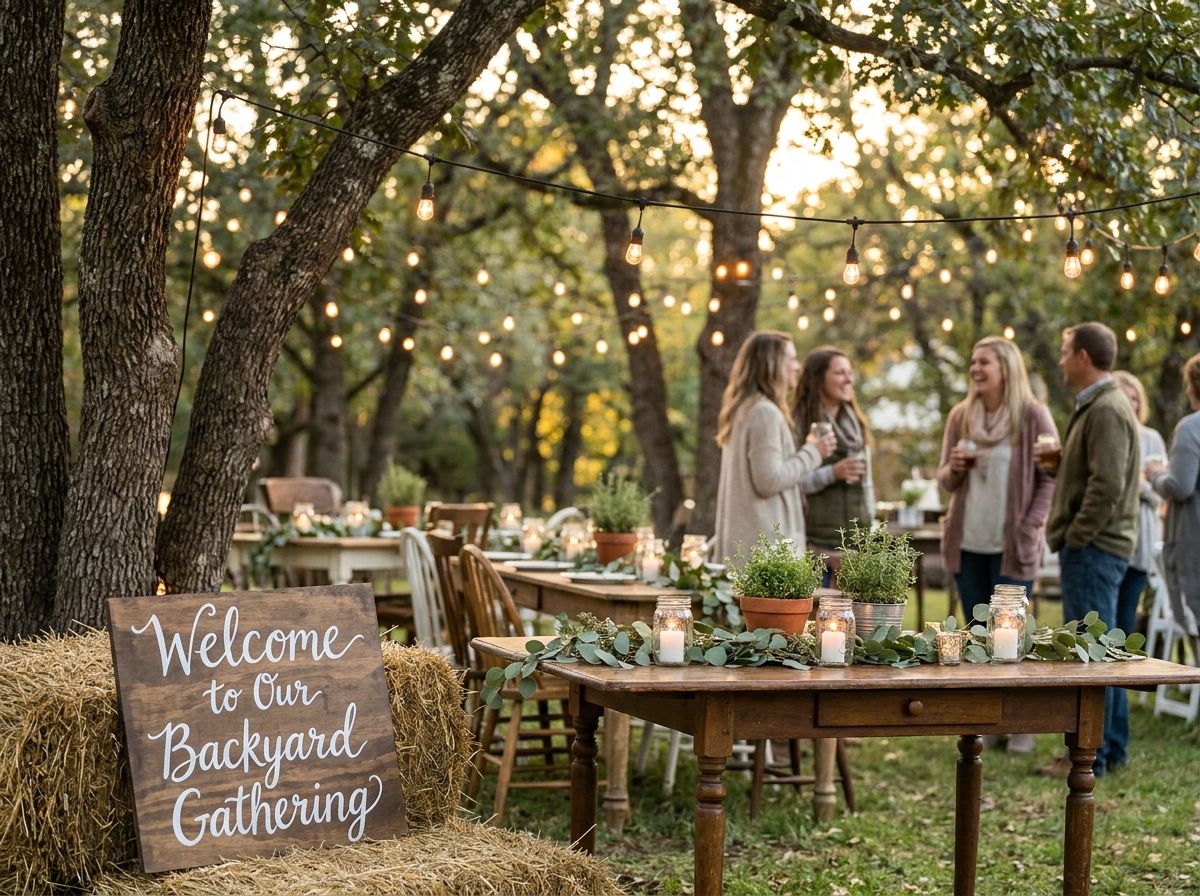
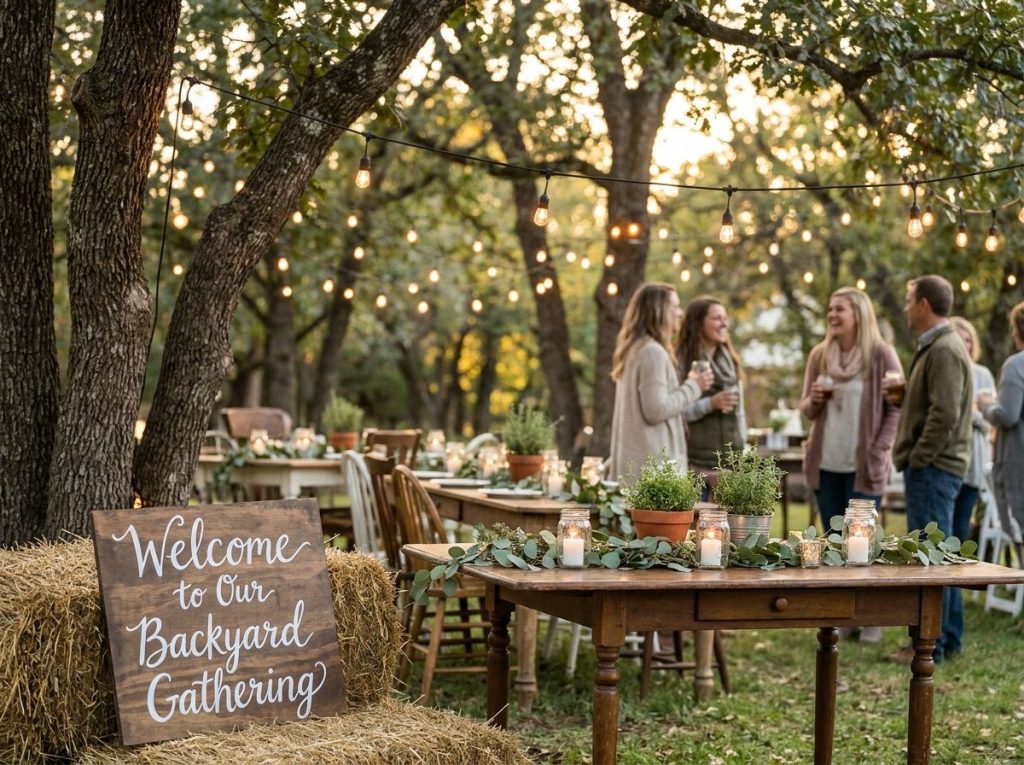
A rented hall is not always necessary. Backyards, community centers, parks, and even a friend’s spacious living room can work beautifully with the right setup. Lighting and small touches can transform a plain space into something warm and inviting without a big price tag.
DIY Where It Counts
You don’t need to make everything by hand, but picking a few DIY projects can cut costs significantly. Handwritten place cards, homemade centerpieces using items you already own, or a playlist you curate yourself instead of hiring a DJ can all add a personal touch while saving cash.
Buy Secondhand or Rent
Decor, furniture, and even table settings can often be found secondhand or rented for a fraction of retail price. Local buy and sell groups, thrift stores, and rental companies are goldmines for event planning on a budget. Sites and resources built specifically for this kind of planning, like the blog thriftyevents.net, are worth checking for creative ideas and budget breakdowns from people who have done exactly what you’re trying to do.
Simplify the Menu
Catering is usually one of the biggest expenses. Instead of a full sit down meal, consider a potluck style setup, a taco bar, or finger foods that guests can grab and enjoy while mingling. People love variety more than they love formality.
Timing Can Save You Serious Cash
When you book matters just as much as what you book.
Avoid Peak Season
Weekends in summer and around major holidays tend to be the most expensive times for venues and vendors. If your event allows flexibility, aim for an off season date or even a weekday.
Book Early, Not Last Minute
Waiting until the last minute usually means paying rush fees or settling for whatever is left. Early planning gives you room to compare prices and negotiate.
Getting Creative With Invitations and Decor
You don’t need pricey printed invitations to make people feel special. Digital invitations look polished, save paper, and cost little to nothing. If you want something physical, simple cardstock with clean design can look just as elegant as an expensive custom order.
For decorations, think about what you already own. Mason jars, string lights, fabric remnants, and greenery from your own yard can be combined to create a beautiful setup. A cohesive color scheme matters more than expensive materials.
Entertainment Doesn’t Have to Break the Bank
Live bands and professional entertainers are wonderful, but they’re not the only option. A curated playlist, a photo booth made with a simple backdrop and a phone camera, or even lawn games can keep guests entertained without a huge cost.
Involve Your Guests
Sometimes the best entertainment comes from the people attending. A friendly trivia game about the guest of honor, a shared memory board, or a simple activity table can create connection and laughter without hiring anyone at all.
Learning From Other Planners
One of the smartest things you can do while planning is look at how others have handled similar events. Reading through real experiences, whether from friends, family, or dedicated planning resources, can save you from repeating common mistakes. Checking out ideas shared on the blog thriftyevents.net can give you a realistic look at what other budget conscious hosts have tried, what worked, and what they’d do differently next time.
Common Mistakes to Avoid
Overestimating Guest Count
Inviting more people than you can comfortably host drives up food, seating, and space costs quickly. Be honest about who truly needs to be there.
Ignoring the Fine Print
Vendor contracts sometimes include hidden fees for setup, cleanup, or overtime. Always read the details before signing anything.
Trying to Do Everything Alone
Asking for help isn’t a failure. Friends and family often want to contribute, whether that’s baking, setting up chairs, or handling music. Let them.
Bringing It All Together
Planning an event on a budget isn’t about cutting corners until everything feels bare. It’s about being intentional with where your money goes and finding joy in the creative process instead of stressing over perfection. The best gatherings I’ve ever attended weren’t the most expensive ones. They were the ones where the host seemed relaxed, the food was good, and the people around me actually connected with each other.
So take that overwhelming to-do list and break it into small, manageable pieces. Set your budget, get creative with decor and venue choices, involve your guests, and don’t be afraid to look for inspiration from people who have planned events before you. With a little patience and a lot of heart, you can pull off something beautiful without emptying your wallet.