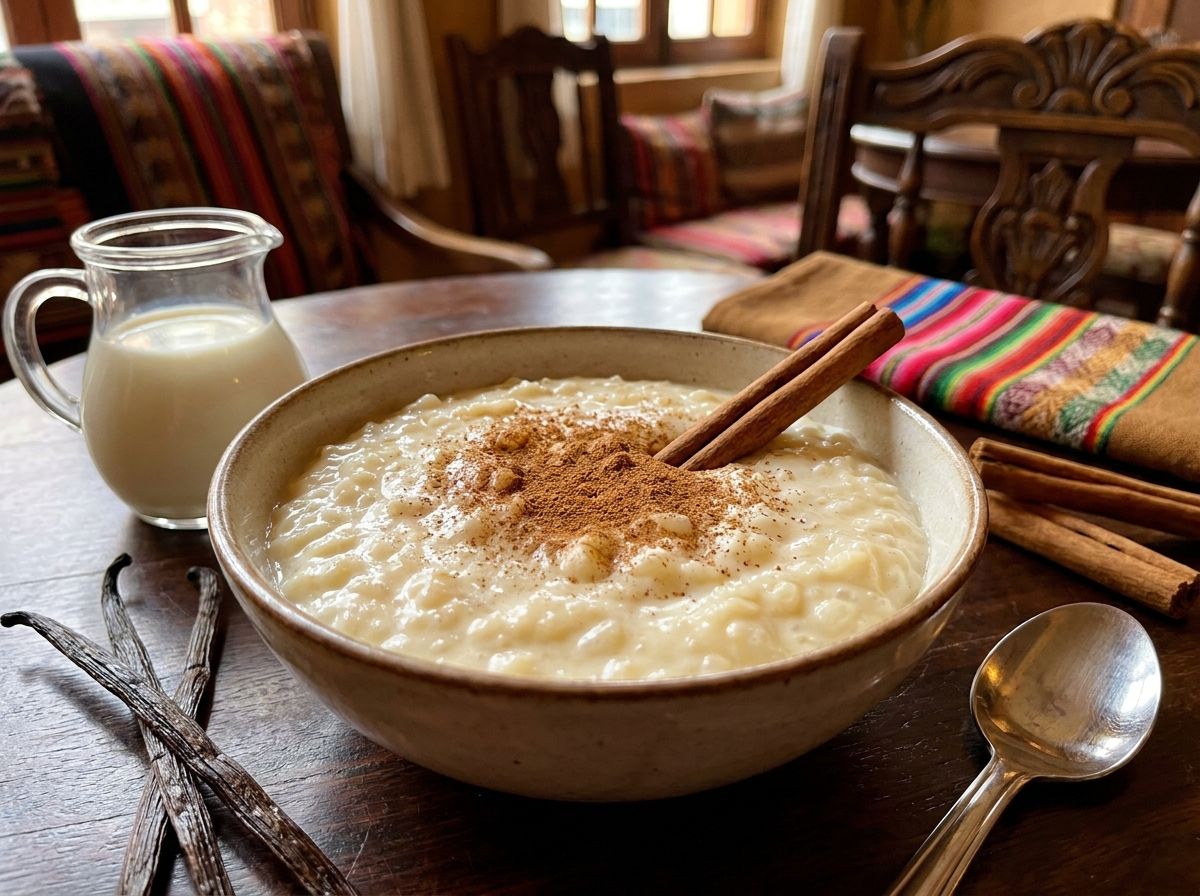
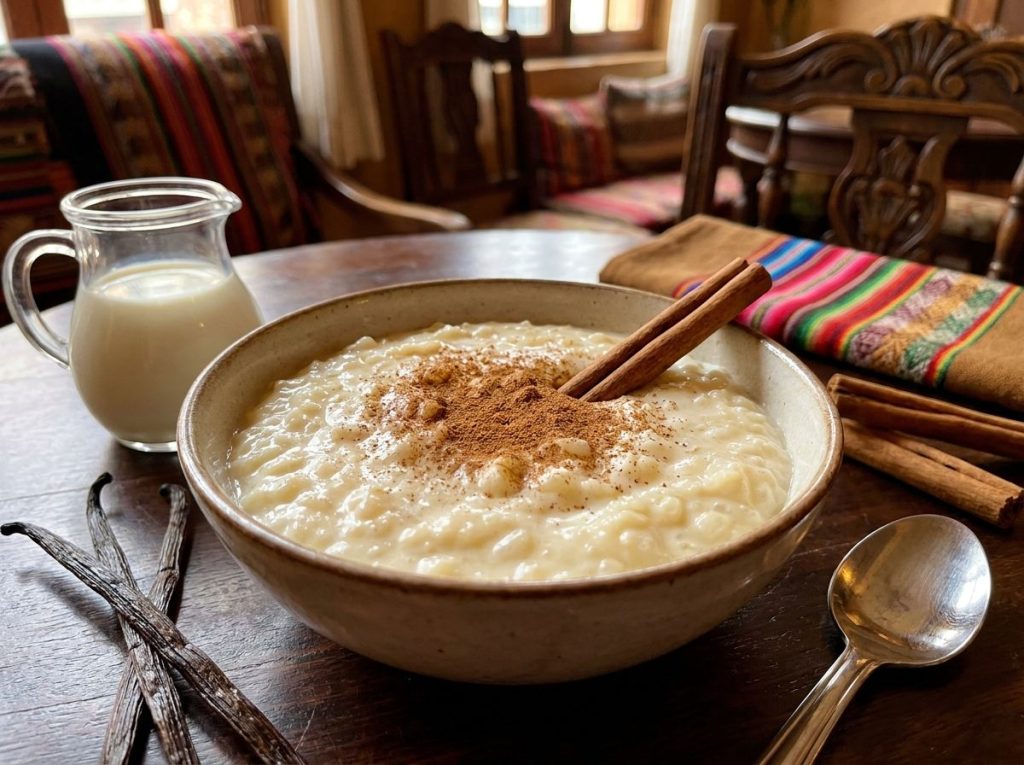
When you search for the best arroz con leche boliviano near me, you are not simply looking for a bowl of rice pudding. You are searching for something that feels personal, warm, and deeply familiar. Bolivian arroz con leche carries the kind of comfort that comes from a grandmother’s kitchen, a family celebration, or a quiet Sunday afternoon in a home where the smell of cinnamon fills every room. This guide is not here to simply describe the dessert. It exists to help you actually find it near you, understand what separates a genuine version from a disappointing one, and know exactly where to look when the craving strikes.
What Makes Bolivian Arroz Con Leche Truly Unique
Not all rice pudding is created equal, and Bolivian arroz con leche boliviano stands apart from similar desserts found across Latin America and beyond. The Mexican version tends to be lighter and sometimes flavored with orange zest. The Peruvian style often incorporates Port wine and dried fruit in ways that shift the overall profile. Spanish interpretations are frequently thinner and served cold with a more neutral sweetness. The Bolivian version, by contrast, leans into richness and slow-cooked depth.
Traditional preparation starts with long-grain white rice simmered slowly in whole milk until the liquid reduces and thickens naturally. Sugar is added during cooking, not after, allowing it to absorb into every grain. Whole cinnamon sticks infuse the milk throughout the process, creating a fragrance that is warm and unmistakable. Many home recipes also add a few cloves, a strip of lemon peel, or a drop of vanilla to deepen the complexity. Some families stir in raisins toward the end, giving the dessert a gentle sweetness and texture contrast.
The result should be thick but never gluey, creamy without being heavy, and sweet enough to satisfy while still tasting clean and fresh. The cinnamon aroma should greet you before the first spoonful. This is the standard that defines authenticity, and it is also why the dish does not always appear under the label “Boliviano” on menus. Restaurants frequently list it simply as arroz con leche, rice pudding, or a homemade Latin dessert, which can make the search feel more difficult than it should be.

Why Authentic Bolivian Rice Pudding Near Me Is Hard to Find
The discovery gap is real, and it frustrates many people who genuinely want this dessert. Small family-owned Bolivian restaurants and Latin American kitchens do not always maintain updated online profiles. A dish may be prepared fresh every day without ever appearing on a delivery app or being mentioned on the restaurant’s website. Menu items at these places often change based on what ingredients are available, what the cook has prepared that morning, or what the season calls for.
Beyond that, arroz con leche is a beloved dessert across many Spanish-speaking cultures. When you search online, you may find Mexican, Colombian, Cuban, or generic rice pudding results appearing before anything Bolivian-specific comes up. This does not mean the authentic Bolivian version is unavailable near you. It means the search requires a slightly different strategy and a bit more patience.
Some of the most memorable versions of this dessert are not found in restaurants at all. They come from home cooks who take community orders, from vendors at weekend food markets, and from small catering operations that serve cultural events. These hidden sources are often where the flavor is closest to what you remember or imagine.
Where to Look: Best Places to Find Bolivian Arroz Con Leche Near You
Finding a genuine, creamy rice pudding near you becomes much easier once you know where to direct your attention.
Bolivian Restaurants
Start here. Even if the dessert is not listed on the posted menu, call ahead and ask directly. Many Bolivian restaurants rotate their dessert offerings based on what was prepared that day. A simple phone call often reveals options that no app or website shows. Search Google Maps for “Bolivian restaurant near me” and then check recent photo uploads and customer reviews for any mention of desserts.
Latin American Bakeries and Panaderías
A panadería is one of the best places to find homemade arroz con leche outside of a private home. These bakeries often prepare fresh batches of traditional sweets every morning, including rice pudding, flan, tres leches cake, and alfajores. To find one, search “panadería near me” in Google Maps and look through the photo section for any dessert displays showing small cups of rice pudding with cinnamon dusting on top.
Latin American Grocery Stores
Specialty grocery stores serving Latin American communities sometimes stock ready-made cups of arroz con leche in their chilled sections. While these may not match the freshness of a bakery batch, many are sourced from local or regional producers who maintain traditional preparation methods. Look in the refrigerated dessert section near horchata, tres leches slices, and other prepared sweets.
Cultural Festivals and Community Events
Bolivian Independence Day, celebrated on August 6, often brings food vendors together in cities with established Bolivian communities. Latin American food fairs, cultural markets, and community gatherings throughout the year are excellent opportunities to taste homemade arroz con leche prepared by experienced cooks. These events are also ideal for discovering local contacts who take private dessert orders.
Home Cooks and Community Groups
Facebook groups dedicated to Latin American food near you are increasingly useful for finding authentic Bolivian dessert near me options. Searching phrases like “Bolivian food” or “homemade Latin desserts” in local community groups often surfaces home cooks who sell traditional dishes on a regular or order basis. Nextdoor and neighborhood apps work similarly in some areas.
Food Delivery Apps
Open your preferred delivery platform and search “arroz con leche” or “Bolivian dessert” in the search bar rather than browsing by restaurant category. Some smaller Latin eateries only appear this way. Filter by cuisine type if the app allows it, and check menus of any Latin American or South American restaurant listed in your area.
How to Search Smarter Online for Bolivian Desserts Near Me
If searching the exact phrase does not deliver results, broaden your approach. On Google Maps, try terms like “Bolivian bakery,” “Latin café near me,” “South American restaurant,” or “panadería near me” and browse the photo sections for visual confirmation of rice pudding offerings. On Yelp, filter by the Latin American cuisine category and look for reviews that mention words like “homemade,” “traditional,” “creamy,” or “cinnamon.” Instagram can also be a surprisingly effective tool. Searching location-specific hashtags alongside food terms sometimes surfaces small businesses or home cooks who post photos of their daily dessert preparations. Reviews matter enormously here. Look for descriptors that suggest genuine preparation: “tastes like my abuela made it,” “fresh every morning,” or “thick and creamy with real cinnamon.” These signals reliably indicate quality.
How to Spot the Real Thing: Quality Signals That Matter
Knowing what to look for protects you from disappointment. Authentic arroz con leche should be visibly creamy when served, with a soft and spoonable consistency that holds its shape without being stiff. The rice grains should be tender but still recognizable, never dissolved into mush. The sweetness level should feel balanced and clean, not sugary or heavy. Cinnamon should be present both in flavor and as a light dusting on the surface. The aroma alone should indicate whether quality ingredients and slow cooking were involved.
Avoid versions that appear watery or thin, which suggests the milk was not properly reduced. Overly thick and gluey textures indicate poor cooking ratios or the use of thickening agents. Artificial vanilla flavoring has a sharper, synthetic edge that differs noticeably from the warmth of a real cinnamon-forward preparation. Factory-packaged versions with long shelf lives rarely capture the fresh milk character that defines the best traditional arroz con leche recipe experiences.
Regional Variations Worth Exploring
The dessert has evolved across different families and regions, and exploring these variations can expand what you look for when searching for the best Latin dessert near me.
- The coconut milk version replaces part of the whole milk with coconut milk, adding a tropical depth to the creaminess
- The raisin-style, sometimes called dulce con pasas, folds plump golden or dark raisins into the pudding for natural sweetness
- The heavily spiced version uses extra cloves and cinnamon for a bolder, more aromatic result
- Some families serve it warm immediately after cooking, while others chill it overnight for a denser, cooler texture
Each variation offers a slightly different experience while staying true to the comforting core of the dessert. Trying more than one version is the best way to understand your personal preference.
How to Make It at Home When Local Options Are Limited
If you cannot find a Bolivian restaurant or panadería near you that serves this dessert, making it at home is entirely achievable with a modest ingredient list. You will need long-grain white rice, whole milk, white sugar, whole cinnamon sticks, and optionally a strip of lemon peel and a small amount of vanilla. The method is slow and requires attention but no specialized technique. Rice is combined with milk and the aromatics, then cooked over low heat with regular stirring until the mixture thickens into a creamy pudding. The key is patience. Rushing the process over high heat produces a grainy or scorched result. Low and slow is what creates the silk-smooth texture that defines the authentic homemade arroz con leche experience. It can be served warm or refrigerated and enjoyed cold the next day.
Frequently Asked Questions
What is arroz con leche boliviano?
Arroz con leche boliviano is a traditional Bolivian rice pudding made by slow-cooking white rice in whole milk with sugar, cinnamon sticks, and spices such as cloves. It is a beloved comfort dessert served across Bolivia at family gatherings, celebrations, and everyday meals.
How is Bolivian arroz con leche different from other versions?
The Bolivian version is typically thicker and creamier than Mexican or Spanish interpretations, with a stronger cinnamon presence and a richer milk flavor developed through slow, careful cooking. It tends to avoid heavy sugar loads, focusing instead on aromatic warmth and natural sweetness.
Where can I find Bolivian arroz con leche near me?
Start with Bolivian restaurants in your area, even if the dessert is not listed online. Latin American bakeries, local panaderías, cultural food markets, and community Facebook groups are also reliable sources. Searching Google Maps with terms like “Bolivian bakery near me” or “Latin café near me” often reveals options that standard searches miss.
What should authentic arroz con leche taste like?
It should taste creamy, gently sweet, and warmly spiced with cinnamon. The texture should be smooth and thick without being heavy or gluey. A fresh milk flavor should come through clearly, and the dessert should carry a pleasant cinnamon aroma from the first spoonful to the last.
Can I order Bolivian arroz con leche for delivery?
Yes, in many cities this is possible. Open a delivery app and search “arroz con leche” or “Bolivian dessert” directly in the search bar. Check menus of any South American or Latin American restaurants listed in your delivery radius. Community groups and home cook networks are also worth exploring for local delivery or pickup options.