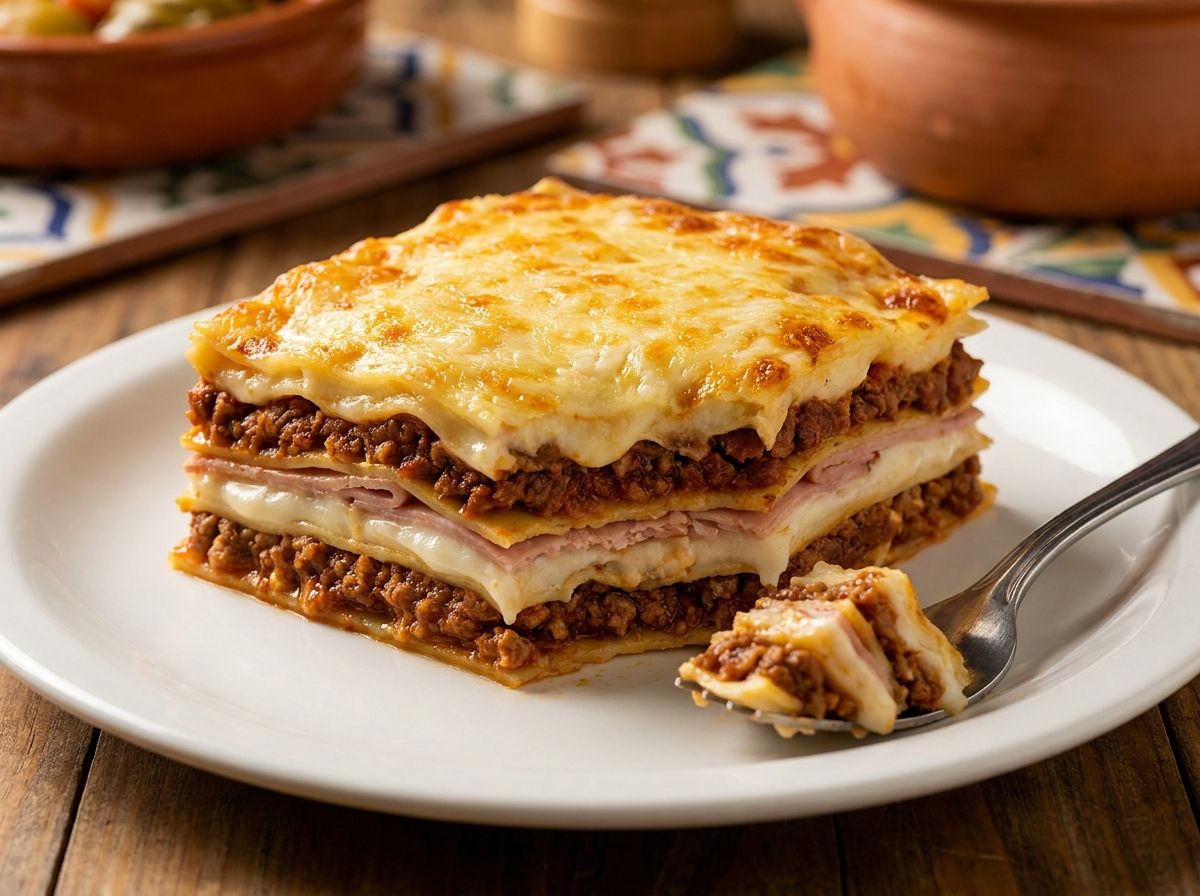
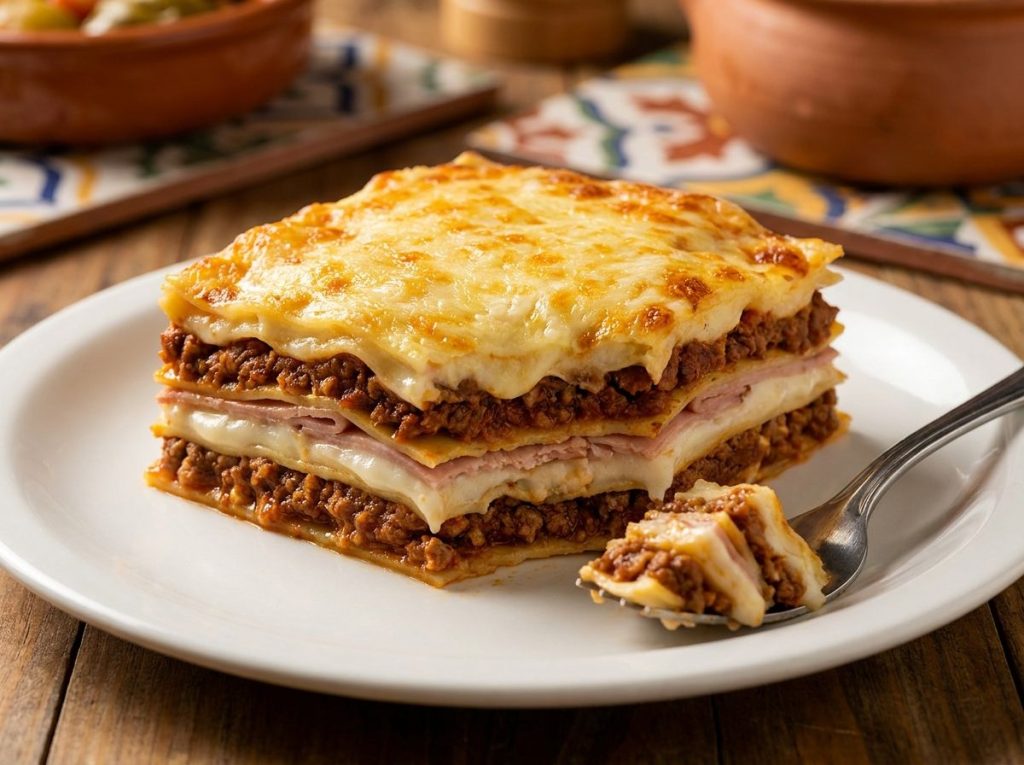
When you’re searching for authentic Venezuelan cuisine, pasticho stands out as one of the most beloved and cherished dishes in the Latin American food scene. This creamy, layered pasta masterpiece represents far more than just dinner, it’s a cultural tradition that has been passed down through Venezuelan families for generations. Unlike the standard Italian lasagna you might find in mainstream restaurants, Venezuelan pasticho brings its own distinct character through careful ingredient selection and preparation methods that honor culinary heritage.
The dish emerged from the influence of Italian immigrants who settled in Venezuela, particularly during the mid-twentieth century. Rather than simply replicate Italian recipes, Venezuelan cooks adapted lasagna to suit local tastes and available ingredients, creating something entirely unique. This adaptation process resulted in a dish that captures the essence of Venezuelan home cooking, where family recipes are treasured and perfected over decades. Understanding this history helps you appreciate why finding truly authentic pasticho makes such a difference in your dining experience.
Table of Contents
ToggleWhat Makes Pasticho Different From Traditional Lasagna
The primary distinction between pasticho and Italian lasagna lies in its composition and the quality of its components. Traditional Italian lasagna typically features ricotta cheese as a binding ingredient, but Venezuelan pasticho replaces this with a luxurious béchamel sauce. This creamy white sauce, made from butter, flour, and milk, creates layers of silky richness that distinguish pasticho from its European counterpart. The béchamel provides moisture and refinement without the grainy texture that ricotta sometimes creates.
Seasoning represents another crucial difference. Venezuelan pasticho incorporates cumin into its meat sauce, offering a warmth and depth that standard Italian recipes don’t achieve. This subtle spice, combined with oregano, garlic, and onion, creates a flavor profile that feels distinctly Venezuelan. The cheese composition also varies, with many authentic recipes using a combination of mozzarella and parmesan rather than relying on a single cheese variety. Some traditional versions include sliced ham between layers, adding another dimension of savory flavor that elevates the entire dish.
The textural experience of well-made pasticho is essential to its appeal. Each forkful should reveal distinct layers: tender pasta sheets, rich meat sauce, creamy béchamel, melted cheese, and sometimes thin slices of quality ham. The top layer is typically browned to golden perfection, creating an appealing contrast with the creamy interior. This careful layering and balance require skill and attention that you’ll notice in restaurants that treat pasticho with the respect it deserves.
Ingredient Quality and Sourcing Standards
Finding the best pasticho near you means understanding what separates authentic versions from mediocre imitations. Quality begins with the foundation ingredients. The beef used in authentic pasticho should be freshly ground, not pre-packaged products that have been sitting in storage. Reputable Venezuelan restaurants source their meat from quality suppliers who understand that the meat sauce forms the backbone of the entire dish.
Pasta selection also matters significantly. Authentic pasticho uses proper lasagna sheets, ideally fresh egg pasta if available, though quality dried pasta works well when prepared correctly. The béchamel sauce must be made fresh from real butter, flour, and whole milk, never from instant mixes or pre-made products. This sauce should be smooth and velvety, coating the back of a spoon and flowing evenly between layers. When restaurants cut corners using powdered milk or low-quality butter, the béchamel becomes thin and flavorless, diminishing the entire dish.
The cheese selection reflects commitment to authenticity. Whole milk mozzarella and quality parmesan bring different characteristics to the dish. Mozzarella provides stretchiness and mild flavor, while parmesan adds sharpness and excellent browning on the top layer. Premium restaurants use block cheeses that they grate fresh rather than pre-shredded varieties, which often contain anti-caking agents that affect melting and texture.
Tomato-based meat sauce represents the third major component, and its quality depends on careful preparation. The sauce should be rich and concentrated, made from good tomato paste, quality ground beef, and proper seasoning. The balance between the sauce and the béchamel is what separates average versions from truly memorable pasticho. Too much sauce creates a wet, soupy dish, while too little results in dry layers that disappoint.
Where to Find Authentic Pasticho Venezuelan Lasagna Near You
Locating genuine pasticho requires knowing where to look beyond standard restaurant listings. Venezuelan restaurants represent your best opportunity for finding authentic versions prepared according to traditional methods. Look specifically for establishments that dedicate significant menu space to Venezuelan cuisine rather than offering a single Venezuelan dish among many other cuisines. Restaurants that specialize in Venezuelan food typically employ cooks trained in these traditional preparation methods.
Dedicated Venezuelan restaurants exist in larger metropolitan areas where strong Latin American communities have established themselves. Miami, Orlando, Houston, Dallas, and New York have particularly robust Venezuelan food scenes, with many family-owned establishments serving generations-old recipes. In Miami specifically, neighborhoods like Doral and Wynwood have become Venezuelan food destinations where multiple restaurants compete on authenticity and quality. These areas have such deep Venezuelan communities that restaurants cannot survive without serving genuinely excellent pasticho.
When searching for pasticho in your area, online review platforms provide valuable insights beyond simple ratings. Food photography on review sites tells you whether the pasticho appears properly layered, creamy, and freshly prepared. Well-made pasticho should show visible layers with a golden cheese top and moist, inviting appearance. If photos show dry, stiff-looking portions or overly thick browning, the restaurant may be using shortcuts in preparation or reheating methods.
Restaurant websites and social media pages often feature pasticho prominently in their galleries. Take time to examine these images critically. Quality establishments showcase their pasticho with pride, displaying the proper texture, color, and presentation. If a restaurant cannot easily show you what their pasticho looks like, this may indicate they’re not confident in the dish’s appearance or consistency.
Reading customer reviews from Venezuelan diners offers particular value. Venezuelans who grew up eating pasticho recognize immediately whether a restaurant’s version honors the tradition or takes inappropriate shortcuts. These reviews often include specific comparisons to homemade versions or their grandmother’s cooking, providing authentic perspectives on whether the restaurant deserves your business.
Essential Qualities of Exceptional Pasticho
When you finally locate and order pasticho, knowing what to expect helps you evaluate whether you’ve found an excellent version. The layer structure should be evident and balanced. Each forkful should include pasta, meat sauce, béchamel, and cheese in proportional amounts. If one element dominates significantly, the cook hasn’t achieved proper balance.
The cheese top should be golden brown with some crispy edges, not pale or overly dark. Proper browning develops when pasticho is baked at the right temperature for the appropriate duration. Underbaked versions fail to develop this appealing crust, while overbaked ones may have rubbery cheese or dried-out interior layers. The best restaurants use experience and skill to achieve this balance consistently.
The béchamel should be creamy and smooth, never grainy or separated. When you cut into the pasticho, the béchamel should hold the layers together while remaining moist. Dry layers usually indicate several potential problems: the béchamel was insufficient, the dish was made hours earlier and allowed to dry out, or reheating methods were inappropriate. Fresh pasticho maintains moisture and creaminess that makes each bite satisfying.
The meat sauce should taste rich and complex, with the cumin adding a distinctive warmth that distinguishes it from standard bolognese. The sauce should coat the pasta thoroughly while remaining distinct from the béchamel. If the two sauces have become muddled together, the individual flavors blur and the layering effect diminishes. Proper preparation maintains these distinctions even after baking.
Portion Sizes and Value Considerations
Venezuelan restaurants typically serve generous portions of pasticho, reflecting its role as hearty comfort food designed to satisfy. A single serving often represents a complete meal, with substantial portions of pasta, meat, béchamel, and cheese. Many restaurants offer family-size portions specifically designed for sharing among multiple people, recognizing that pasticho’s richness makes large individual servings appropriate.
Pricing for authentic pasticho varies depending on location and the restaurant’s overhead costs. In areas with strong Venezuelan communities, competition keeps prices reasonable while maintaining quality standards. Restaurants understand that pasticho represents a traditional family dish that people consume regularly, not occasional indulgences. Pricing that seems too low may indicate shortcuts in ingredients or preparation, while premium pricing in areas without Venezuelan restaurant competition often reflects scarcity rather than superior quality.
The value proposition of authentic pasticho becomes apparent when you consider the ingredient costs and preparation time. Quality beef, fresh béchamel, real cheese, and proper baking all contribute to the final price. Establishments that charge moderately but source premium ingredients often provide better overall value than expensive restaurants using mediocre components.
Complementary Dishes and Dining Combinations
Pasticho works wonderfully as a standalone main course due to its richness and substance. However, many Venezuelan restaurants offer complementary dishes that enhance the overall dining experience. Light salads, particularly those with crisp vegetables and simple vinaigrette dressings, provide refreshing contrast to pasticho’s richness. Fresh greens and acidic elements help balance the heavy, creamy nature of the main dish.
Appetizers like tequeños (fried cheese pastries) or arepas make excellent starts to a pasticho meal. These smaller items prepare your palate for the main course while allowing you to experience additional aspects of Venezuelan cuisine. Many family-style dining experiences begin with appetizers before the main pasticho arrives.
Beverages deserve consideration when ordering pasticho. The creamy, rich nature of the dish pairs well with light beverages that cleanse the palate. Fresh lemonade, horchata, or simple iced tea provide refreshing accompaniments. Some diners prefer wine selections, where crisp white wines or light reds complement the flavors without overwhelming them.
Making the Right Choice at Local Restaurants
When you’ve narrowed your options for finding authentic pasticho, visiting in person provides valuable information. Observe how busy the restaurant appears during meal times. Popular establishments that draw consistent local crowds usually maintain higher standards than quiet restaurants. Venezuelans voting with their feet by regularly dining at a restaurant represents a powerful endorsement of quality and authenticity.
Pay attention to the restaurant’s overall presentation and cleanliness. Pasticho reflects Venezuelan home cooking traditions, so restaurants serving it shouldn’t be fancy or pretentious. However, they should maintain clean facilities and organize their operations competently. The kitchen’s visibility, staff demeanor, and attention to detail all suggest whether pasticho preparation receives appropriate care.
Engage with restaurant staff about their pasticho preparation. Ask how often they make it, whether they prepare the béchamel fresh daily, and how long the dish has been baking when served. Staff enthusiasm when discussing their signature dishes indicates pride in preparation. If employees seem indifferent about pasticho or can’t answer basic questions about ingredients and methods, the restaurant probably doesn’t prioritize this dish appropriately.
The Cultural Significance of Pasticho
Understanding pasticho’s role in Venezuelan culture enriches your appreciation when you finally find an exceptional version. This dish appears at family celebrations, Sunday dinners, holidays, and important gatherings throughout Venezuela. It represents comfort, tradition, and connection to heritage. When Venezuelan families moved to other countries, pasticho came with them, becoming a bridge to home and a way to maintain cultural identity.
For 5ivemagazine, discovering and documenting exceptional pasticho establishments contributes to preserving Venezuelan culinary traditions in an increasingly globalized food landscape. Supporting restaurants that respect these traditions ensures that future generations can experience authentic Venezuelan cuisine.
Final Recommendations for Your Pasticho Search
Begin your search by identifying Venezuelan restaurants in your area using online maps and review platforms. Pay special attention to customer photos, focusing on pasticho’s appearance rather than relying solely on ratings. Read recent reviews, particularly from Venezuelan diners who can assess authenticity. Visit in person to evaluate cleanliness, staff knowledge, and overall restaurant quality. Ask questions about ingredient sourcing and preparation methods.
When you order, taste the pasticho mindfully, noticing the balance between sauce, béchamel, cheese, and pasta layers. Evaluate whether each component is distinct and properly prepared. The very Best Parrillada should taste like it was made in someone’s home kitchen by someone who learned the recipe from their mother, not from a culinary school textbook.
Finding truly excellent pasticho requires effort and attention, but the experience of discovering an outstanding version prepared with quality ingredients and proper technique makes the search worthwhile. Whether you’re seeking comfort food or cultural connection, authentic pasticho delivered by knowledgeable, dedicated restaurants provides a deeply satisfying culinary experience.