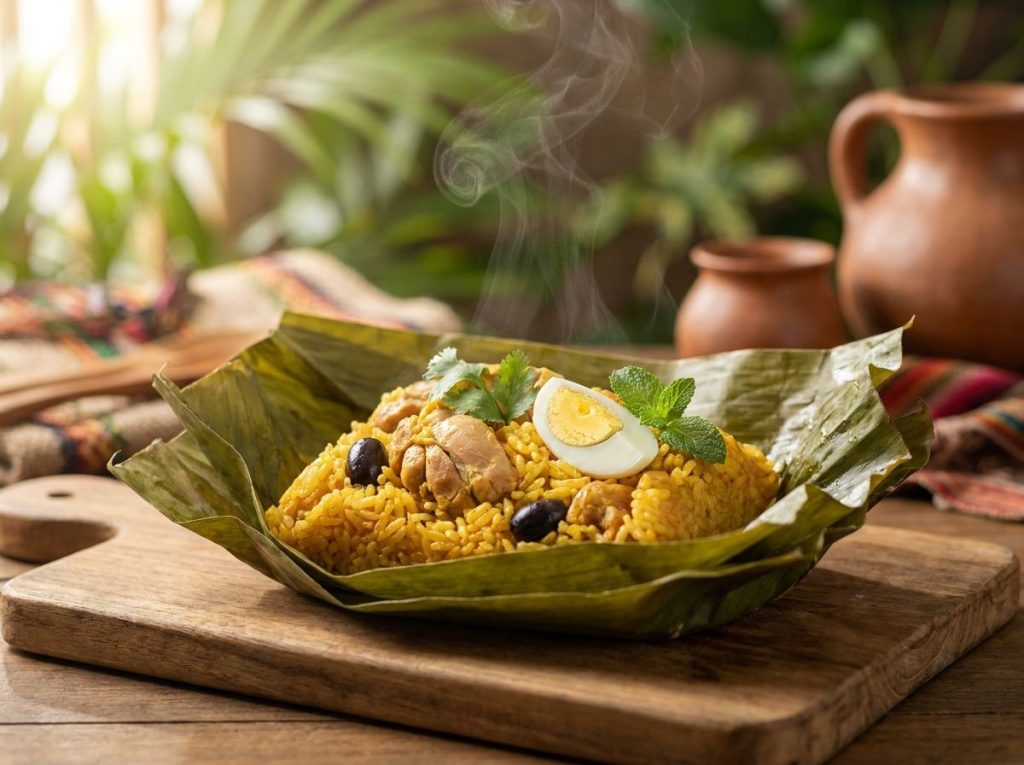
If you have ever typed “best juane near me” into your phone right after a friend described this Peruvian dish, you are not alone. Maybe it showed up on someone’s plate during a trip to Lima, or a coworker who grew up in the Amazon brought a batch to the office and you have been thinking about it since. Juane has a way of staying in your head long after someone mentions it, and the leaf-wrapped rice and chicken bundle looks humble on the outside while holding a few surprises once you untie the string.
This guide walks through what juane actually is, why it tastes the way it does, and how to track down the best juane near me wherever you happen to live. No filler, just what you need to know before your next bite.
Table of Contents
ToggleWhat Is Juane, Really?
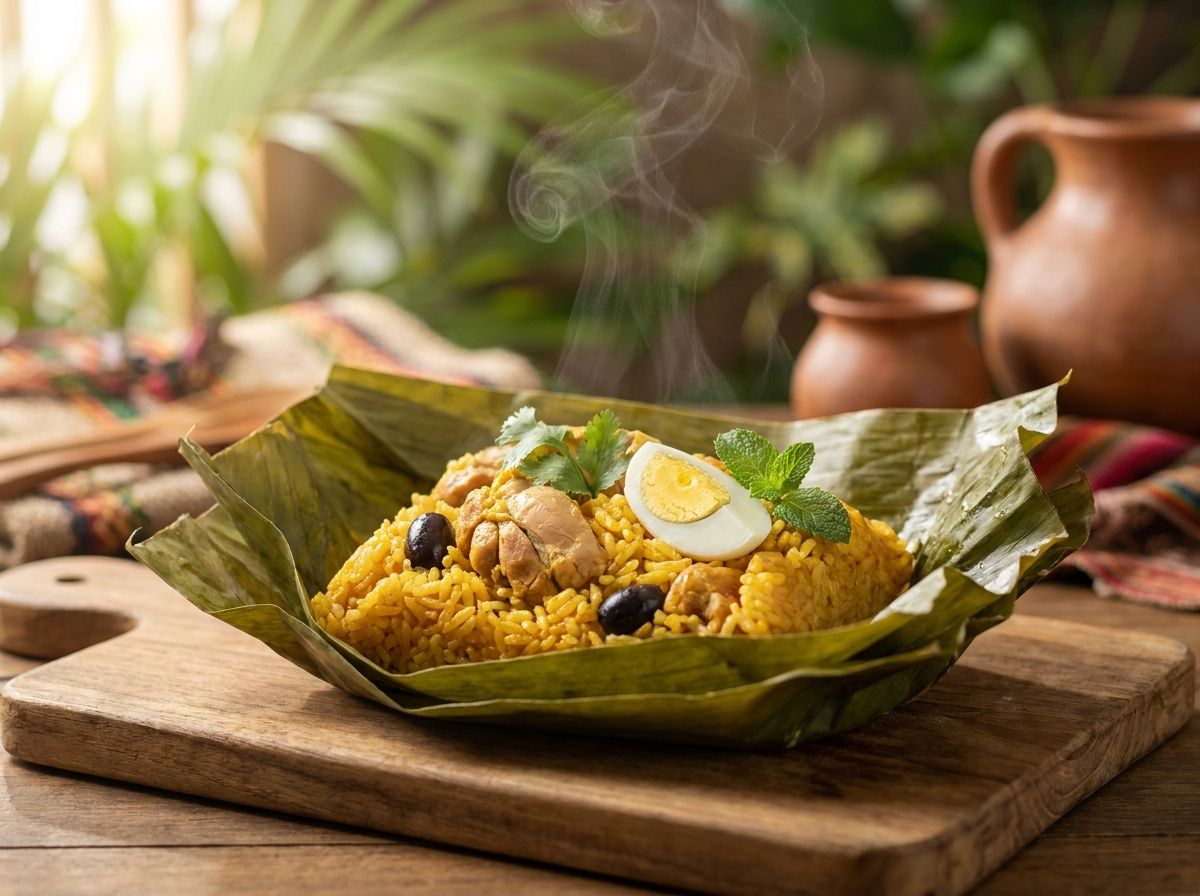
Juane is a traditional dish from the Peruvian Amazon made of seasoned rice, chicken or hen, a hard-boiled egg, and black olives, all wrapped tightly in bijao leaves and boiled or steamed until everything melds together. The leaves come from a jungle plant related to heliconia, and they give the rice a faint, earthy aroma you cannot fake with foil or parchment paper.
People sometimes compare it to a tamale, but the texture and flavor stand on their own. Tamales lean on corn masa. Juane leans on turmeric-stained rice, so the bite is softer and the color is a warm golden yellow instead of pale white.
Is Juane Spicy or Heavy to Eat?
Traditional juane is mild rather than spicy, since most of the heat comes from a side sauce instead of the dish itself. The flavor leans savory and aromatic, built from turmeric, cumin, and garlic rather than chili. It sits somewhere between a hearty rice bowl and a light stew, filling without feeling overly heavy.
Is Juane Gluten-Free?
Classic juane made with rice, chicken, egg, and olives is naturally free of wheat and gluten, since the bijao leaf is just a wrapper and never part of the meal itself. The cassava-based juane de yuca is gluten-free as well. It is still worth asking the cook directly, since some modern fusion versions add ingredients outside the traditional recipe.
Where the Tradition Comes From
Juane comes from jungle regions like Loreto, San Martín, and Ucayali, in cities such as Iquitos, Tarapoto, and Pucallpa. It is the signature food of the Fiesta de San Juan, held every June 24 in honor of Saint John the Baptist, and the holiday remains one of the largest celebrations in the Peruvian Amazon.
One popular story says Spanish missionaries thought the round, leaf-wrapped bundles resembled the saint’s severed head, a grim detail for such a comforting meal. Another theory traces the name back to “huanar,” a Quechua word for the slow, gentle way the dish is steamed. Either way, families have been wrapping rice in these leaves long before anyone wrote the recipe down.
How to Find the Best Juane Near Me
Juane is not exactly a strip-mall food, so finding a great version takes a little more effort than typing a search term and grabbing the first result. Restaurants that focus on Amazonian or Selva style cooking, rather than general Peruvian fare, tend to take juane more seriously, since it sits on their everyday menu rather than showing up once a year.
Peruvian community groups and local Facebook pages are often where the real recommendations live. Someone’s aunt who sells homemade juane out of her kitchen on weekends will rarely show up on a map app, but she might be exactly what you are looking for.
Reviews help too, but read past the star rating. Look for comments mentioning rice that stays moist instead of dry, or chicken that falls apart easily, since those small details separate a rushed version from one made with care. If you are traveling, asking a hotel concierge or a local food tour guide can also turn up leads that a quick online search might miss.
What a Well-Made Juane Looks and Smells Like
A good juane announces itself before you even untie the leaf. The aroma should be herbal and slightly grassy, never sour or flat. Once it is open, the rice should hold its shape without feeling sticky or mushy, and the chicken inside should be tender enough to pull apart with a fork.
The seasoning matters as much as the texture. Turmeric, cumin, and garlic should come through gently rather than overpowering everything else, and the olive and egg should still taste like themselves instead of getting lost in the rice.
The Different Kinds of Juane You Might Run Into
The chicken and rice version is the one most people picture, and it is the standard against which every other variety gets measured. Juane de yuca swaps the rice for mashed cassava and often includes fish instead of chicken, giving it a denser, slightly sweeter bite that locals in Loreto grew up eating.
Avispa juane uses ground pork instead of chicken and skips the egg and olives entirely, while nina juane is built around grilled chicken pieces for a smokier finish. Chonta juane swaps in heart of palm for a vegetarian option, and sara juane mixes in peanuts and corn for a heartier, nuttier filling that is less common outside the Amazon region. None of these versions are better or worse than the classic. They simply reflect what each family or region had on hand.
Why People Keep Searching for Juane
Part of the pull is nostalgia. For many Peruvians from the Amazon, juane ties back to childhood memories of June 24, when whole families would spend a morning wrapping leaves together before the real celebration even started.
For everyone else, the appeal is simpler. It is rice and chicken, two ingredients almost everyone alreadbest juane near mey loves, wrapped in a way that turns an everyday meal into something that feels special. That contrast between familiar and unfamiliar is exactly why so many people search for the best juane near me after trying it once again Best Pasticho Venezuelan Lasagna.
Short videos of someone slicing open a steaming juane for the first time also travel fast online, and that kind of reveal moment pushes curious eaters to look up where they can try one instead of scrolling past.
What to Order Alongside Juane
Juane rarely shows up alone on a table. Tacacho, which is mashed plantain often paired with pork, is a classic side in the same Amazonian restaurants that serve juane. Fried or boiled plantains do similar work, adding sweetness against the savory rice.
A bright salad or a spoonful of ají sauce on the side cuts through the richness nicely. If the restaurant offers chicha morada or a cold maracuyá juice, both pair well without competing with the leaf aroma in the dish itself. During San Juan celebrations, some families also set out fresh cheese or a simple potato salad, rounding out the table without overshadowing the main dish.
Best Juane Near Me Outside of Peru
If you live outside Peru, your odds improve in cities with established Peruvian communities, including New York, Miami, Los Angeles, and Madrid. Juane will not be on every menu, but restaurants that lean into Amazonian or Selva cuisine specifically, rather than coastal Peruvian dishes like ceviche, are far more likely to carry it.
Cultural festivals tied to Peruvian heritage, especially around late June, are another solid bet, since vendors often bring out dishes that do not make it onto regular restaurant menus. Some Latin grocery stores even stock frozen or vacuum-sealed juane for people who want to heat one up at home without attempting the wrap themselves.
Making juane from scratch at home is possible too, if you can track down bijao or banana leaves through a Latin grocery store or an online specialty shop. The leaves do most of the work in terms of aroma, so even a simple rice and chicken filling can taste close to the real thing after steaming inside them for close to an hour.
Your Next Plate of Juane
Finding the best juane near me usually means looking a little harder than you would for a more common dish, but that search is part of what makes the payoff worth it. A well-made juane carries the smell of bijao leaves, the warmth of turmeric rice, and a story that stretches back generations in the Peruvian Amazon.
Whether you find it at a family-run Amazonian restaurant, a community festival, or a homemade batch from someone who learned the recipe from their grandmother, the dish rewards a little patience. Next time the craving hits, you will know exactly what to look for and why it is worth the search.