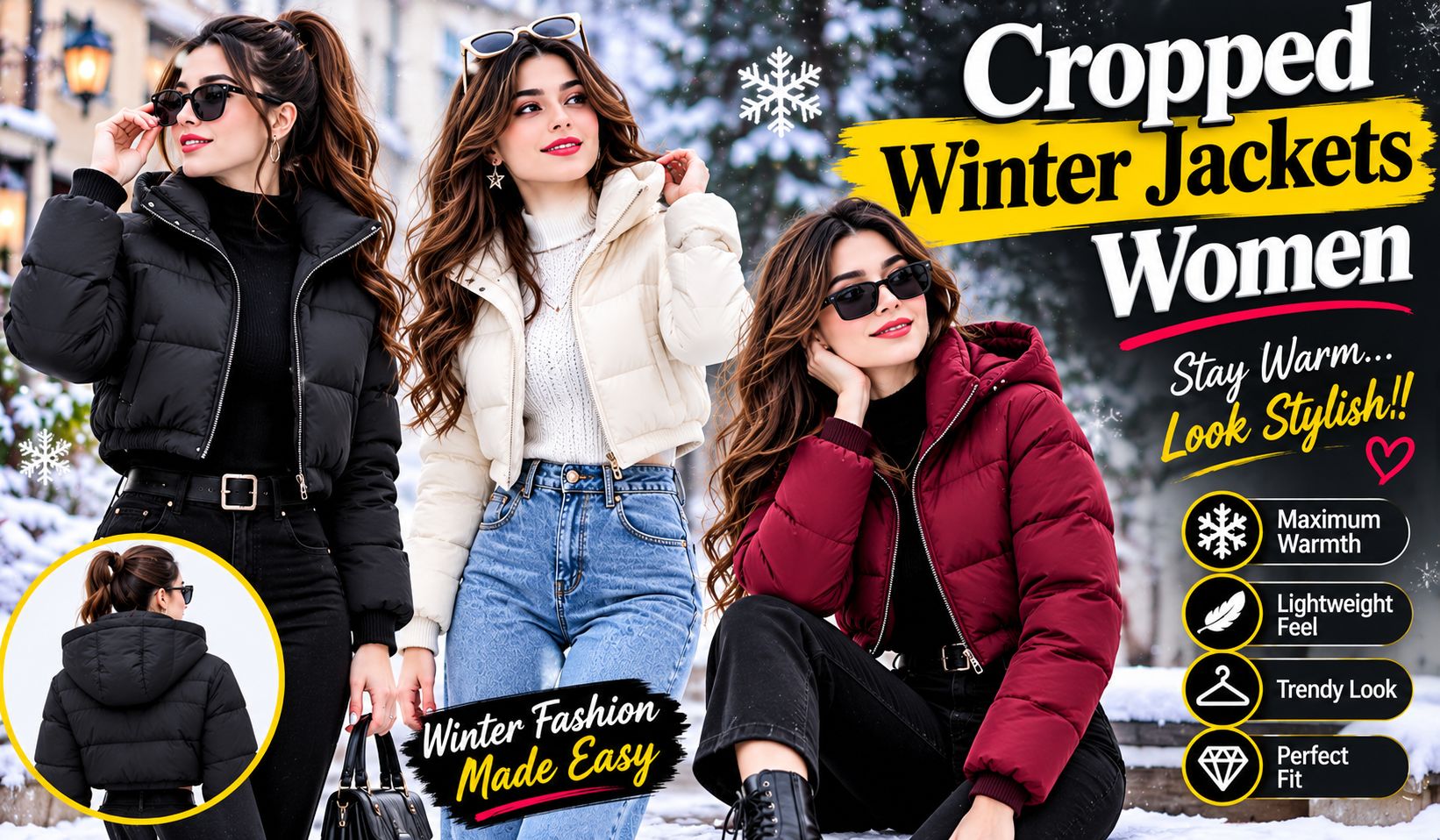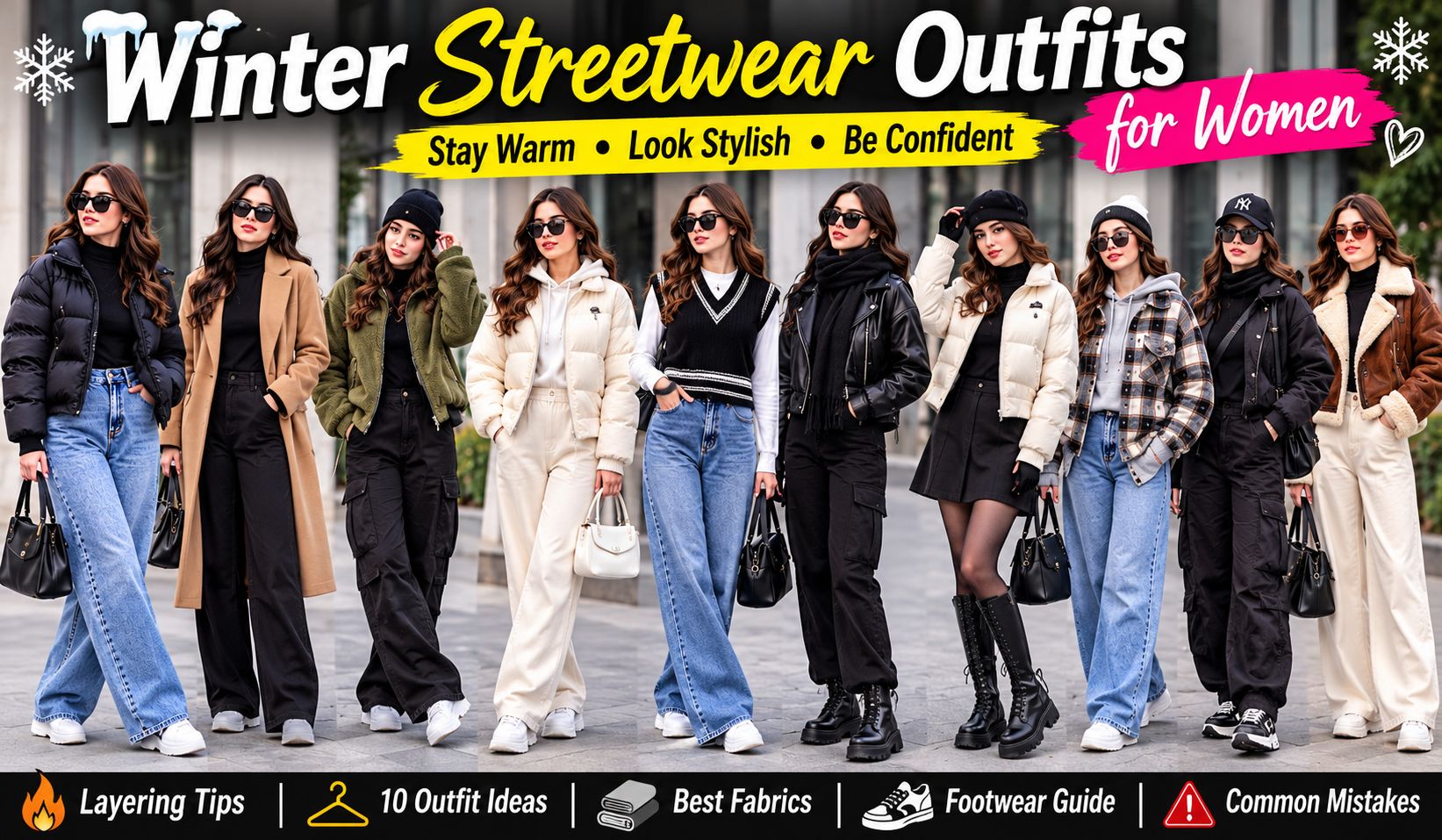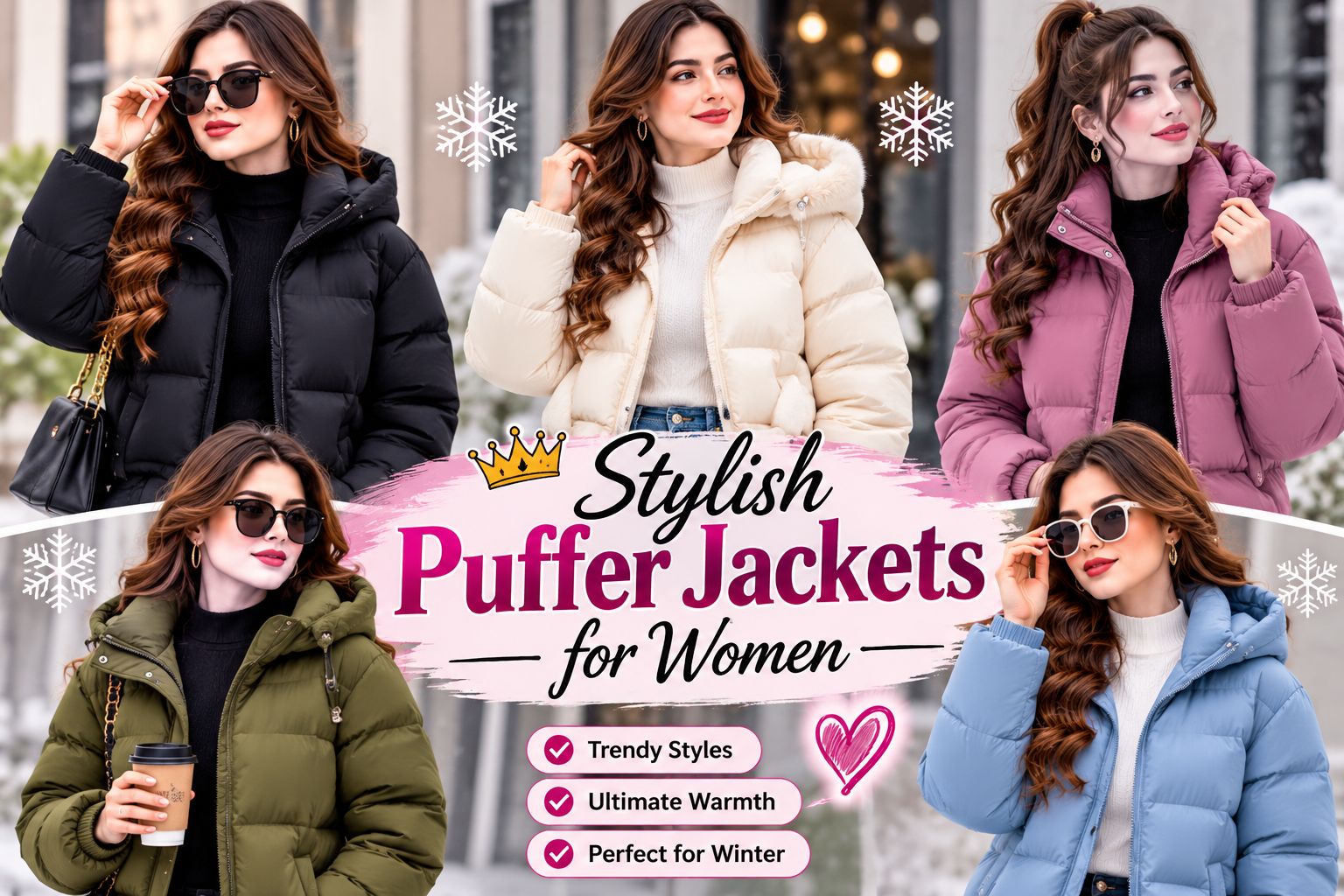
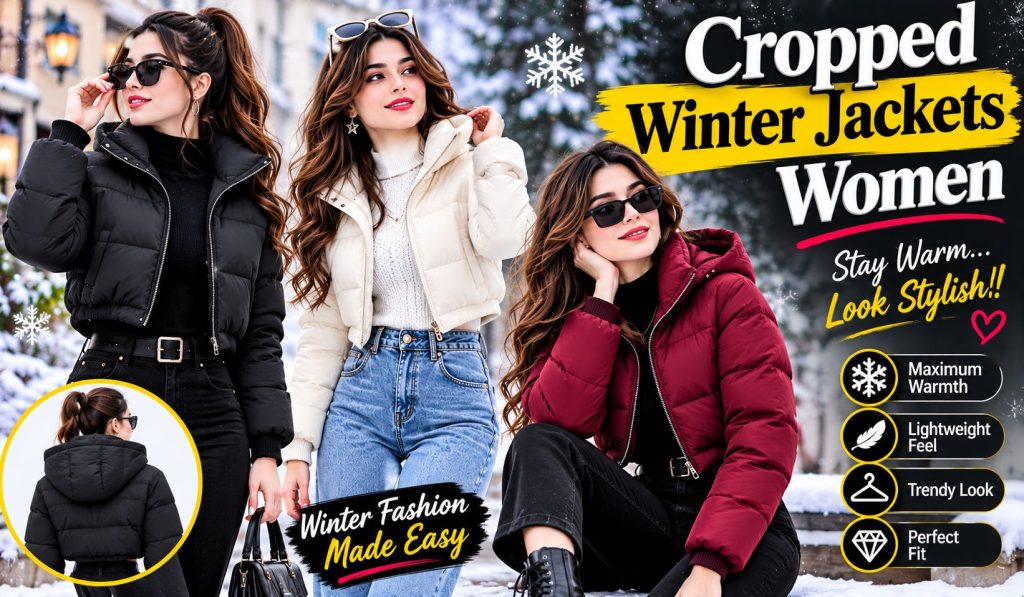
There is a small winter dilemma that shows up in shop fitting rooms everywhere. The long, heavy coat keeps you warm but swallows your outfit. The short jacket looks sharp but leaves you shivering when the wind finds the gap above your waistband.
Cropped winter jackets promise a middle path: structure, shape, and real insulation in a shorter cut. Whether they deliver depends on fabric, fit, and how you style them.
This guide breaks down what makes a cropped jacket actually warm, how to pick the right length and shape for your frame, what to wear it with, and the mistakes that make a good jacket look wrong.
Table of Contents
ToggleThe Short Answer: Are Cropped Winter Jackets Warm Enough?
Yes, if you choose the right insulation and pair them with the right layers. A cropped jacket with good filling, a snug hem, and a high-waisted bottom can be just as warm as a longer coat for everyday winter use. For extreme cold or long periods outdoors, a longer jacket is usually the safer choice.
Quick checklist for buying one
- Check the insulation type (down or synthetic).
- Look for a snug hem, ribbed cuffs, or an adjustable drawcord to block drafts.
- Choose a length that sits at the natural waist or just below it.
- Test the fit with your thickest sweater underneath.
- Pair it with high-waisted bottoms so your midsection stays covered.
Why Cropped Jackets Became a Winter Staple
Short puffers have moved well past passing trend status. One 2026 styling guide notes that the cropped puffer has officially moved from a “trend” to a wardrobe staple. Part of the appeal is practicality. A cropped down puffer is described as practical, warm, and stylish all at once, with a shorter cut that gives an outfit a modern edge while still insulating you against the cold.
There are three reasons they keep returning:
- They balance volume. A bulky jacket on top paired with slim or structured bottoms creates a flattering contrast.
- They work with high-waisted clothing. High-rise jeans, trousers, and skirts line up neatly with a short hem.
- They are easier to move in. A shorter length is less likely to catch when you sit, climb stairs, or drive.
Know Your Options: Types of Cropped Winter Jackets
Not all cropped jackets suit the same weather or style. Here is a quick tour.
Cropped Puffer Jackets
The classic. Quilted baffles trap warmth, and the volume gives a bold silhouette. They are the best choice for genuinely cold days.
Cropped Quilted Jackets
Slimmer and lighter than a full puffer. One guide describes this style as perfect for transitioning from fall to winter, adding warmth and style without the bulk of a traditional puffer. They suit mild winters and layering.
Cropped Shearling or Teddy Jackets
Soft, textured, and cozy. Faux shearling gives you warmth with a more relaxed, fashion-forward look. They tend to be bulkier, so check how they sit over sweaters.
Cropped Wool or Tweed Jackets
Structured and polished. These work well for the office or evening, though they usually need a warm layer underneath in very cold weather.
Cropped Leather or Faux Leather Jackets
Stylish but not always warm by themselves. Look for lined versions, or plan to layer a knit underneath.
What Actually Makes a Cropped Jacket Warm
Warmth does not come from thickness alone. A few features make a bigger difference than the label.
Insulation: Down vs. Synthetic
- Down is light and very warm for its weight, and compresses well for storage. It loses much of its insulating power when it gets wet, unless treated.
- Synthetic fill holds up better in damp conditions and is often easier to care for. It can be slightly heavier for the same warmth.
If your winters are dry and cold, down is a strong choice. If they are wet, synthetic fill or a water-resistant shell is more practical.
The Outer Shell
A water-resistant or windproof outer layer keeps rain and wind from reaching the insulation. Matte finishes tend to look more understated, while glossy nylon gives a sportier feel.
Sealing Out Drafts
Cropped jackets leave more of your lower back and hips exposed, so details at the hem and cuffs matter:
- Ribbed or elastic hems hold warm air in.
- Drawcords at the waist or hem let you cinch out wind.
- Storm cuffs or ribbed sleeves stop cold air from creeping up your arms.
- A high collar or hood protects your neck.
Lining
A fleece or smooth lining adds comfort and warmth. Check that the lining does not feel itchy against your skin.
How to Choose the Right Length and Fit
The “crop” varies from jacket to jacket, and the right one depends on your frame and the rest of your wardrobe.
Aim for the Natural Waist
One styling guide recommends that you choose a cropped puffer that hits at the natural waist, which keeps proportions clean and avoids a boxy look.
Be Careful About Sizing Up
Many people size up for layering, which can work. One outfit guide even suggests that sizing up gives extra room for layering and looks intentional rather than tight. Another warns that wearing an overly large size for comfort often sacrifices proportion. The best approach is to try the jacket with the thickest sweater you plan to wear, and size up only enough to fit it comfortably.
A Quick In-Store Test
- Put on your usual winter sweater.
- Zip or button the jacket completely.
- Raise your arms. The hem should not ride far above your waist.
- Cross your arms in front of you. You should not feel tight across the back.
- Sit down. The jacket should not bunch uncomfortably.
Fit Notes for Different Frames
- Petite: A short crop can make your legs look longer. A cropped length helps prevent a puffer from overwhelming petite frames.
- Tall: You can wear a cropped jacket with high-rise bottoms or try a slightly longer crop to avoid showing too much midriff.
- Curvy: Structured, slightly fitted shapes tend to balance volume. Avoid extra-wide boxy cuts if you prefer more shape.
- Broad shoulders: Check the shoulder seams carefully, since a too-small fit feels restrictive.
These are guidelines, not rules. The best fit is the one you feel comfortable and confident in.
How to Style Cropped Winter Jackets
Because the jacket stops at the waist, the outfit below it matters more than usual. As one styling guide puts it, the secret to pulling off a cropped jacket lies entirely in what you wear on the bottom.
With High-Waisted Jeans
A natural pairing. High-waisted jeans and sneakers make an easy everyday combination. It is a simple outfit for errands, coffee, or the commute.
With Wide-Leg Pants or Jeans
The structure of the jacket balances the flow of wider trousers. One guide notes that a cropped puffer adds structure and waists the silhouette, allowing wide-leg pants to flow freely without overwhelming your frame. Another adds that wide-leg jeans balance the puffy part of a cropped jacket, as long as the denim sits high on your waist.
With Leggings and Chunky Shoes
For a sportier, comfort-driven look, pair the jacket with leggings and chunky sneakers. One guide describes this as an off-duty look, where the volume of the jacket is balanced against the sleek lines of the leggings.
With Dresses and Skirts
A cropped puffer can dress up more easily than you might expect. One suggestion is to pair a cropped puffer with a fitted dress and heeled ankle boots for a chic evening look. A playful option is a bright jacket over a mini skirt, such as a red cropped puffer worn with a green mini skirt, which breaks the usual puffer-and-jeans routine.
With Leather-Look Pants and Boots
For an edgier outfit, a cropped puffer with vegan leather pants, chunky boots, and a soft sweatshirt makes an easy, streetwear-leaning uniform for real winter weather.
Boots and Shoes That Work
- Mini or ankle boots suit casual looks.
- Chunky boots balance volume and add warmth.
- Heeled ankle boots polish the outfit for evenings.
- Clean sneakers keep things relaxed.
If you enjoy outfit ideas like these, you can find more style guides on our site.
Layering Without Looking Bulky
A short jacket with thick layers can quickly become overwhelming. A few simple rules help.
- Start thin. A lightweight thermal or fitted knit warms you without adding bulk.
- Add one mid-layer. A sweater or fleece is usually enough.
- Keep the bottom half streamlined. Slim or straight-leg bottoms balance the jacket’s volume.
- Use accessories for extra warmth. A scarf, beanie, and gloves add warmth without changing your silhouette.
- Let the hem sit above your waistband. Tucking in a long top creates a clean line.
Common Mistakes to Avoid
- Ignoring the gap. If cold air sneaks between your jacket and waistband, choose higher-waisted bottoms or a longer top layer.
- Choosing style over insulation. A thin jacket may look great and leave you freezing.
- Buying a size that is too tight. Layers will not fit, and the jacket will ride up.
- Skipping the lining check. Itchy or thin lining makes a jacket uncomfortable.
- Overloading on volume. A bulky jacket plus baggy bottoms can overwhelm your frame.
- Forgetting care instructions. Down and technical fabrics have specific washing rules.
Caring for Your Cropped Jacket
Good care helps the jacket last for many winters.
- Check the care label before washing.
- Use a gentle cycle and mild detergent if the label allows machine washing.
- Dry down jackets on low heat with clean tennis balls or dryer balls to restore loft, if the label says it is safe.
- Store loosely, not compressed, to keep insulation fluffy.
- Spot-clean light stains promptly to avoid setting them.
Frequently Asked Questions
Are cropped winter jackets warm?
They can be, especially when they have good insulation, a snug hem, and sealed cuffs. For extreme cold, a longer jacket gives more coverage, but a well-made cropped jacket is warm enough for most daily winter wear.
What should I wear with a cropped puffer jacket?
High-waisted jeans, wide-leg trousers, leggings, and fitted dresses all work well. Because the jacket ends at the waist, the bottom half of your outfit shapes the overall look.
Do cropped jackets suit all body types?
Yes, with the right fit. Look for a hem at the natural waist, check shoulder and arm room, and choose bottoms that balance the jacket’s volume.
How do I stay warm in a cropped jacket?
Wear a thin thermal layer, choose high-waisted bottoms, and pick a jacket with a ribbed hem, cuffs, and a hood or high collar. Add a scarf and gloves for extra warmth.
Is down or synthetic better for a cropped winter jacket?
Down is warmer for its weight in dry cold. Synthetic fill performs better in damp conditions and is often easier to care for.