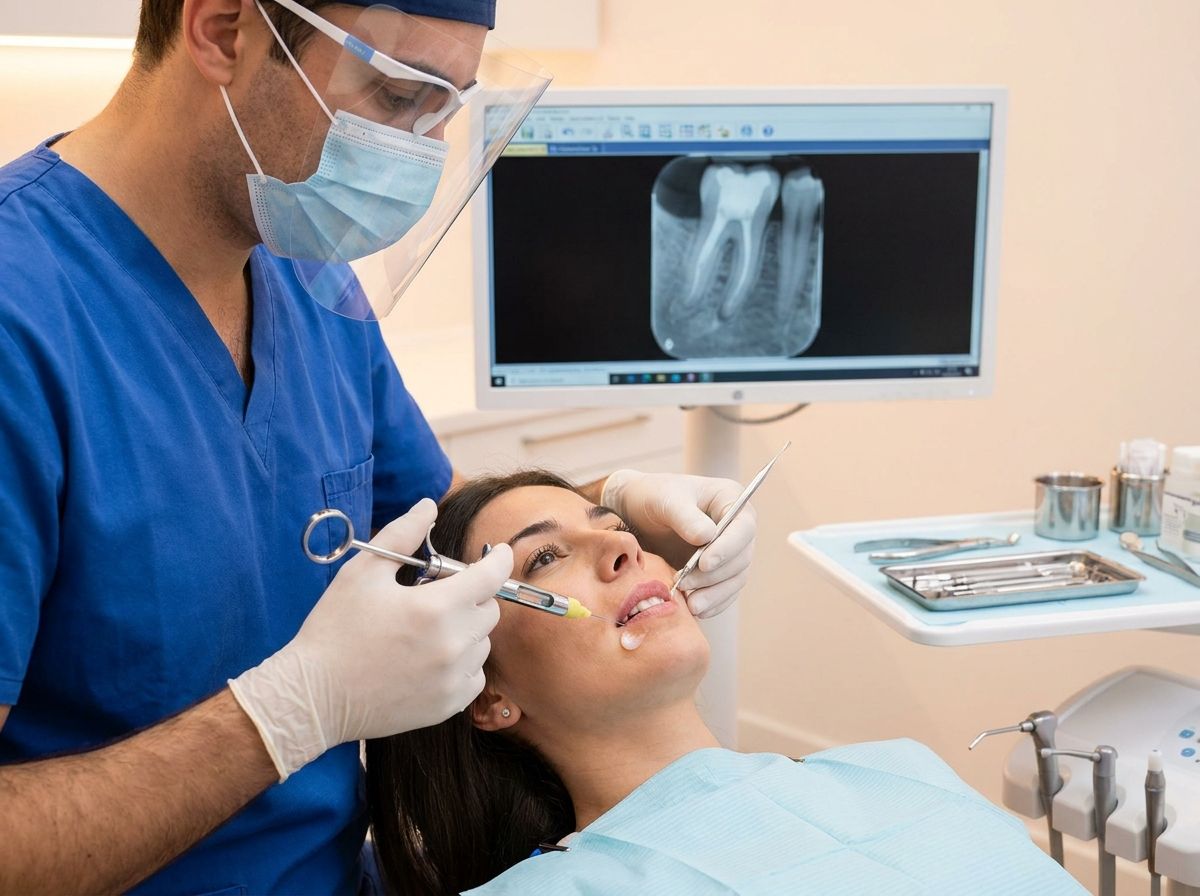
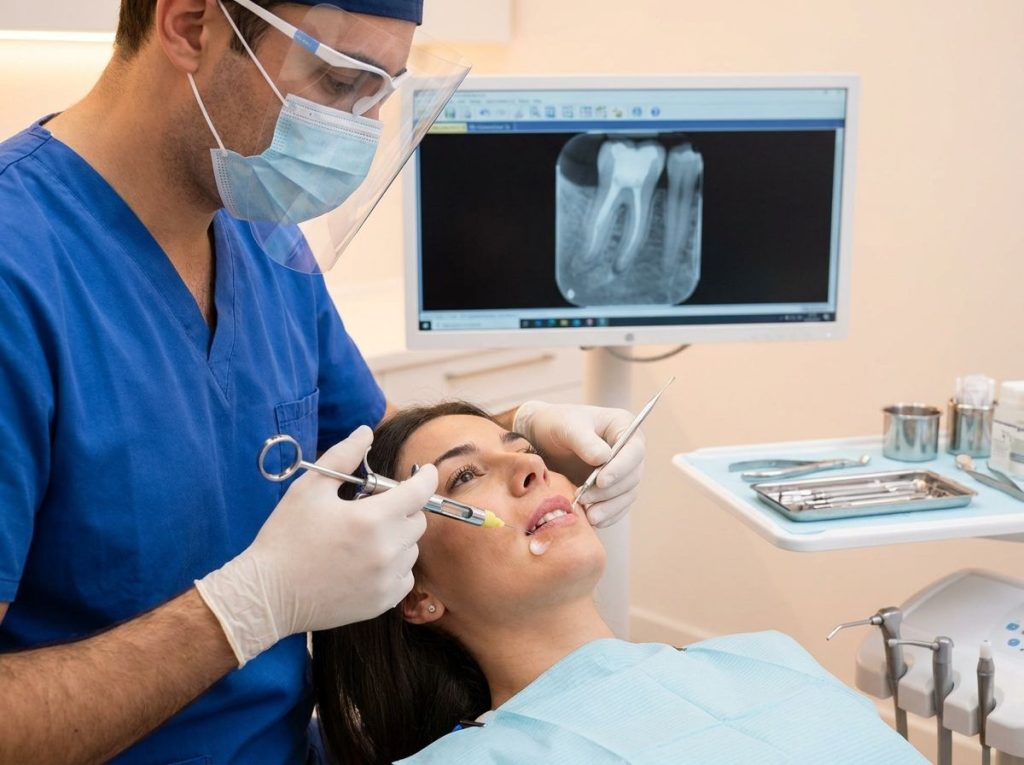
The question of whether a root filling hurts is one of the most common concerns patients raise when facing endodontic treatment. Modern dentistry has transformed this perception entirely. With contemporary anesthesia techniques and advanced equipment, root fillings have become significantly more comfortable procedures than they were decades ago. The truth is that most patients experience little to no pain during the actual treatment, though some mild discomfort afterward is entirely normal and manageable.
The fear surrounding root canal procedures stems largely from outdated information and misconceptions. Decades of horror stories have created an anxiety that doesn’t align with current clinical practice. Today’s endodontists employ multiple strategies to ensure patient comfort throughout the procedure, making the experience comparable to having a standard dental filling. Understanding what actually happens during treatment and what to expect in recovery can help alleviate concerns and prepare you for a smooth experience.
Table of Contents
ToggleWhat Happens During Endodontic Treatment
Before any treatment begins, your dentist will conduct a thorough examination of the affected tooth. Digital imaging and X-rays provide precise visualization of the tooth structure and the extent of infection or damage. This diagnostic stage is crucial because it allows your dentist to plan the most efficient approach, minimizing treatment time and discomfort.
The tooth in question contains a pulp chamber, which houses the dental nerve and blood vessels. When this pulp becomes infected or inflamed due to decay, trauma, or other factors, endodontic treatment becomes necessary. The primary objective is to remove this infected tissue, clean the canal system thoroughly, and fill it with an inert material to prevent future infection.
The procedure begins with the application of local anesthesia. Your dentist will apply topical numbing gel to the injection site first, which reduces the sensation of the needle. The anesthetic is then administered slowly, allowing it to spread evenly throughout the area. Modern formulations like lidocaine and articaine are fast-acting and long-lasting, ensuring the tooth remains numb throughout the entire procedure.
Once adequate anesthesia is achieved, your dentist creates a small access opening in the crown of the tooth. Using specialized instruments, they carefully remove the infected pulp tissue from the pulp chamber and root canals. The canals are then cleaned, shaped, and disinfected using various irrigation solutions that eliminate bacteria and debris.
The final step involves filling the cleaned canals with gutta-percha, a biocompatible rubber-like material that seals the canal system. This prevents bacterial recontamination and supports long-term tooth preservation. The access opening is then sealed with either a temporary or permanent filling, depending on whether additional appointments are required.
Pain Management During the Procedure
The cornerstone of pain management in endodontic treatment is effective local anesthesia. Dentists employ several techniques to ensure complete numbing of the treatment area. Beyond standard infiltration injections, supplemental anesthesia methods may be used if needed, including intraligamentary injections or intraosseous anesthesia for particularly challenging cases.
Modern anesthetic delivery systems have revolutionized patient comfort. Buffered anesthetic solutions reduce the burning sensation that some patients experience during injection. Computer-controlled delivery systems allow anesthetists to administer medication at an optimal rate, further minimizing discomfort. Many patients report feeling only pressure and vibration during the procedure, similar to sensations experienced during routine fillings.
For anxious patients, additional options exist. Nitrous oxide sedation, commonly known as laughing gas, can reduce anxiety while keeping patients conscious and responsive. Some practitioners offer oral sedation or other conscious sedation methods for patients with significant dental phobia. These options work alongside local anesthesia to create a more relaxed experience.
Advanced rotary instruments have transformed the mechanical aspect of endodontic treatment. These instruments work quickly and gently, reducing the time spent in the chair and minimizing tissue trauma. The precision of modern equipment allows dentists to navigate the canal system more efficiently, which translates to shorter appointments and reduced discomfort.
Communication with your dentist is essential during treatment. If you experience any discomfort, inform your dentist immediately. There’s no shame in asking for additional anesthetic, and your dentist will add more numbing medication if needed. Most patients find that expressing concerns actually helps them feel more in control and less anxious throughout the process.
Discomfort After Root Filling Treatment
While the procedure itself should be painless, some post-operative sensitivity is entirely normal. This distinction is crucial for setting appropriate expectations. The discomfort that follows isn’t caused by the treatment itself but rather by the healing response of your body to the procedure.
Immediately after treatment, you may notice some mild soreness or sensitivity in the treated tooth and surrounding gum tissue. This typically begins as the local anesthetic wears off, usually within two to four hours. The level of discomfort varies from person to person and depends on factors like the tooth’s location, the complexity of the case, and individual pain thresholds.
Most patients experience mild to moderate discomfort that responds well to over-the-counter pain relievers. Ibuprofen and acetaminophen are commonly recommended and effectively manage post-operative pain. Taking medication before the anesthetic completely wears off can help prevent pain from building up, though this should be done according to your dentist’s recommendations.
The first 24 to 48 hours represent the period when discomfort is most likely to be noticeable. You may feel tenderness when chewing or applying pressure to the treated tooth. Slight swelling around the affected area and sensitivity to temperature changes are also common. These symptoms reflect your body’s natural inflammatory response to the procedure, which is actually part of the healing process.
By the third or fourth day, most patients report significant improvement. Discomfort should gradually diminish with each passing day. The timeline varies, but mild sensitivity can persist for up to a week as the surrounding tissues continue healing. By the two-week mark, most patients experience complete resolution of post-operative discomfort.
Managing Recovery and Post-Operative Care
Proper aftercare plays a fundamental role in minimizing discomfort and promoting optimal healing. Your dentist will provide specific instructions tailored to your situation, but several general principles apply to most cases.
Over-the-counter pain management should be your first line of defense. Ibuprofen is often preferred because it addresses both pain and inflammation simultaneously. Taking medication with food can prevent stomach upset, and following dosage instructions carefully ensures safe pain management.
Applying a cold compress to the outside of your cheek for 15-minute intervals during the first day can reduce swelling and provide numbing relief. After the first 24 hours, switching to warm compresses may feel more comforting as tissues begin healing.
Your diet deserves special attention during recovery. Stick to soft foods for several days and avoid anything extremely hot or cold, which can trigger sensitivity. Hard, crunchy, or sticky foods should be avoided because they can disturb the temporary filling and irritate the treated area. As discomfort decreases, you can gradually return to your normal diet.
Maintaining excellent oral hygiene is important, though you should be gentle around the treated tooth while healing. Continue brushing twice daily and flossing, but avoid aggressive brushing near the surgical site. Rinsing gently with warm salt water several times daily can promote healing and maintain cleanliness.
Physical activity should be limited for at least 24 to 48 hours after treatment. Strenuous exercise increases blood flow, which can intensify swelling and discomfort. Light activity is generally fine, but listen to your body and avoid anything that feels uncomfortable. Elevating your head while resting or sleeping can help reduce swelling.
Understanding Different Types of Discomfort
Not all post-operative discomfort is created equal, and understanding the difference between normal and concerning symptoms helps you know when follow-up contact with your dentist is necessary.
Normal post-operative experiences include mild to moderate soreness, slight swelling, tenderness when biting, sensitivity to temperature changes for a few days, and mild discomfort that gradually improves. These symptoms peak within the first 48 hours and steadily improve thereafter.
Concerning symptoms that warrant contact with your dentist include severe pain that doesn’t respond to medication, increasing swelling after three days, significant swelling in your face or neck, difficulty swallowing or breathing, signs of allergic reaction to anesthetic, or pain that worsens rather than improving. Additionally, if you develop a fever or notice signs of infection, contact your dentist promptly.
The fact that modern endodontic treatment is designed to relieve pain rather than cause it often comes as a surprise to patients who expected the worst. The infected tooth that prompted treatment typically caused significant pain before the procedure, and successfully removing that source of infection is the ultimate goal.
Factors Affecting Pain Levels
Several variables influence how much discomfort you experience during and after root filling treatment. Understanding these factors helps explain individual differences in pain perception and recovery experiences.
The tooth’s location matters significantly. Front teeth have single, straighter roots and typically result in quicker procedures with minimal post-operative discomfort. Premolars with one or two roots usually involve straightforward treatment. Molars, however, have multiple complex root systems that require more extensive work, potentially leading to slightly more post-operative soreness. Despite these differences, proper anesthesia ensures comfort during treatment regardless of tooth type.
The severity of infection also influences the procedure’s length and complexity. Teeth with advanced infections may require more extensive cleaning and treatment time. Additionally, inflammation caused by infection can sometimes make anesthesia slightly less effective, though experienced dentists employ supplemental techniques to ensure complete numbing.
Your individual pain threshold and anxiety levels affect how you perceive discomfort. Some patients naturally experience lower pain perception, while others are more sensitive. Pre-existing anxiety about dental procedures can lower your pain threshold, making discomfort seem more intense. Discussing your concerns with your dentist before treatment allows them to employ additional comfort measures or sedation if needed.
Prior dental experiences also shape expectations. Patients who have had previous root canal treatments often report less anxiety and less post-operative discomfort during subsequent procedures because they know what to expect. Conversely, patients with negative past experiences may need extra reassurance and comfort measures.
Why Modern Endodontics Has Changed the Experience
The dramatic improvement in patient comfort during root canal procedures reflects genuine advances in dental science and technology. Better anesthetic formulations mean more effective numbing with reduced side effects. Computer-controlled injection systems allow precise delivery of medication at optimal rates. Digital imaging provides superior visualization, enabling more efficient and precise treatment.
Rotary instruments have largely replaced manual files for canal preparation, offering faster and gentler treatment. Advanced irrigation solutions effectively eliminate bacteria while being gentle on tissues. The overall approach to endodontics has shifted toward minimally invasive techniques that respect tooth structure and surrounding tissues.
Beyond technology, the philosophy of modern endodontics emphasizes patient comfort and communication. Experienced practitioners understand that anxious patients may experience lower pain thresholds and take extra time to establish trust and ensure comfort throughout treatment.
At 5ivemagazine, we’re committed to helping you understand dental procedures so you can make informed decisions about your oral health. The reality is that root canal treatment, including root fillings, has become a comfortable, predictable procedure that relieves pain rather than causes it.
Final Thoughts on Root Filling Discomfort
The short answer to whether a root filling hurts is no, it should not hurt during the procedure itself. Modern anesthesia techniques ensure complete numbing of the treatment area, and most patients report feeling only pressure and vibration. Any discomfort experienced after treatment is typically mild, manageable, and temporary.
The misconception that root canals are excruciatingly painful has damaged the reputation of an incredibly valuable procedure that saves natural teeth and eliminates the source of pain. By replacing fear with accurate information, you can approach endodontic treatment with confidence and realistic expectations.
If you’re facing root canal treatment, discuss your concerns openly with your endodontist. They can explain the procedure in detail, address your specific fears, and employ appropriate comfort measures. Remember that the treatment relieves the often-severe pain caused by tooth infection or damage, ultimately improving your quality of life and preserving your natural smile.