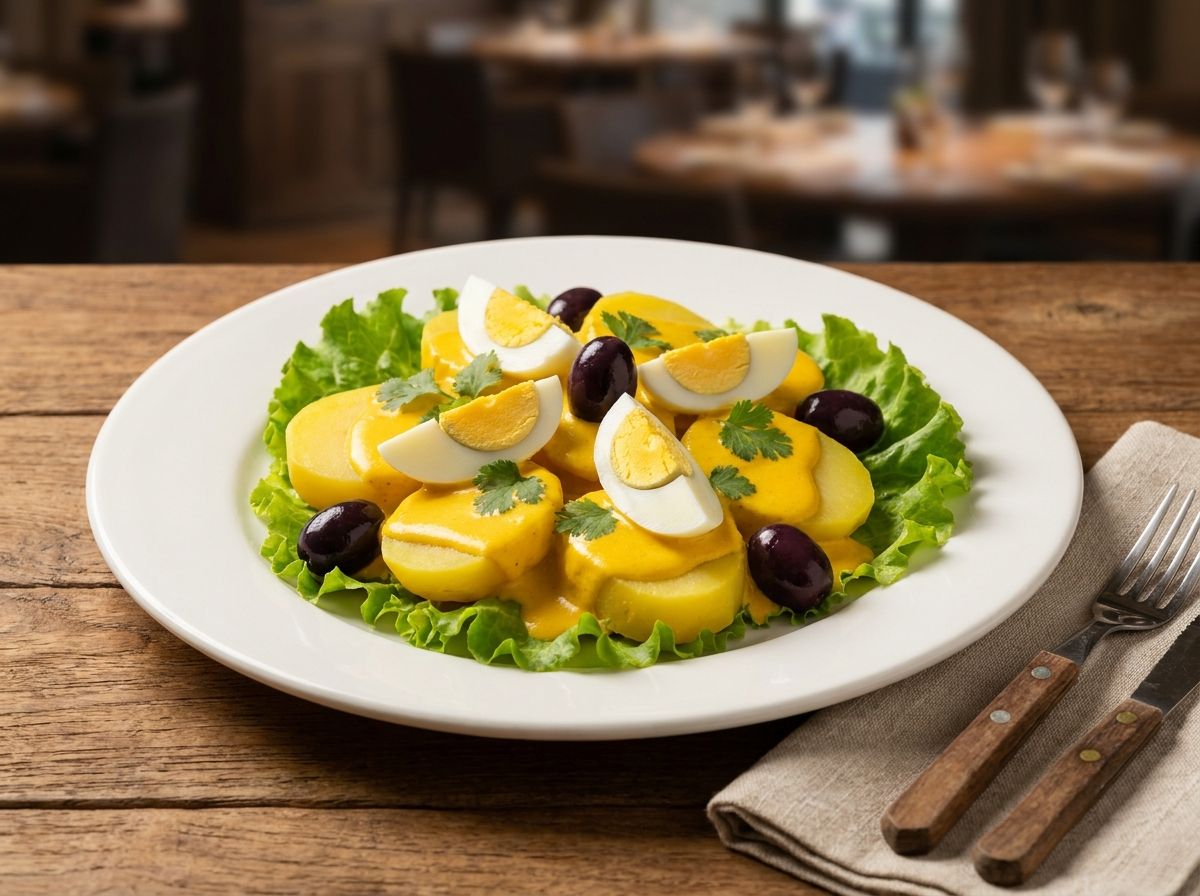
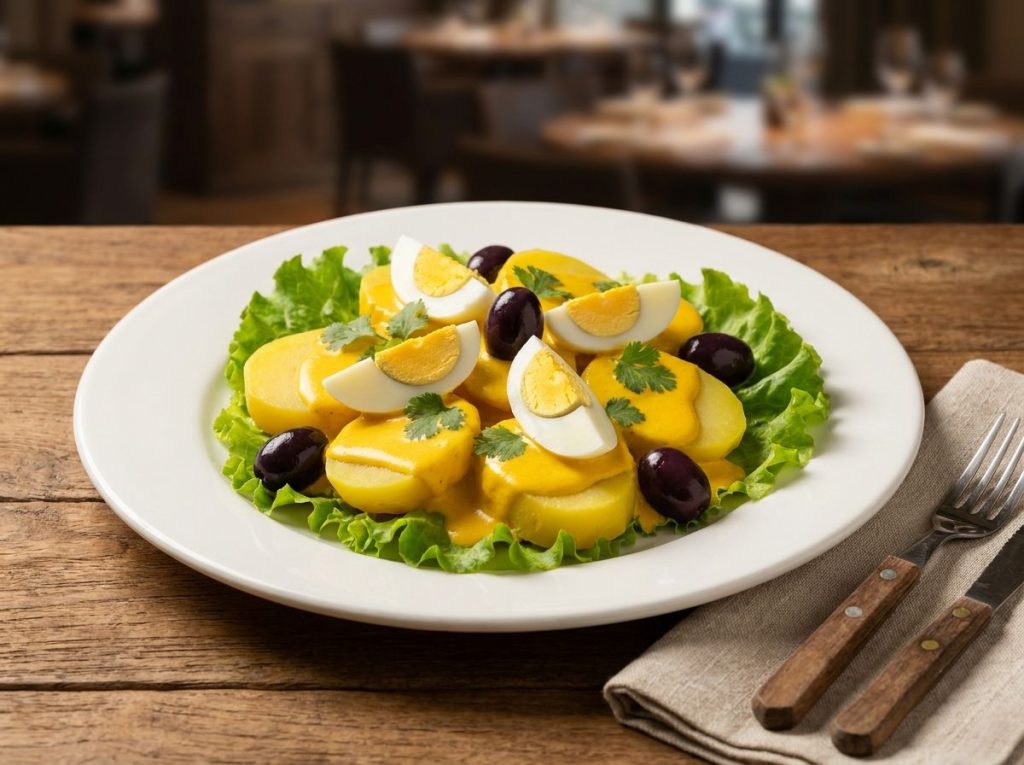
Papa a la Huancaína holds a special place in Peruvian gastronomy, representing centuries of culinary tradition wrapped in a single, elegant plate. This iconic appetizer transcends its humble appearance, delivering a complex interplay of flavours that has captured hearts across continents. The dish consists of tender boiled potatoes crowned with a luxuriously creamy sauce, presenting both simplicity and sophistication in equal measure.
The popularity of seeking out authentic versions of this dish reflects its status within Peruvian food culture. Whether you are exploring Peruvian cuisine for the first time or reconnecting with cherished memories, understanding what makes this dish exceptional helps you appreciate its cultural significance and culinary artistry.
Table of Contents
ToggleThe Rich History Behind This Iconic Dish
The story of this beloved appetizer traces back to Peru’s central highlands, specifically to the city of Huancayo situated in the Junín region. According to culinary historians, the dish emerged during the construction of the Central Railway connecting Lima to Huancayo in the late nineteenth century. Workers laboring on this ambitious infrastructure project required hearty yet portable meals that could sustain them through demanding days.
The wives of these workers, demonstrating remarkable ingenuity, prepared simple yet nourishing meals using local ingredients abundantly available in the Andean region. Boiled potatoes bathed in a sauce crafted from fresh cheese, yellow Peruvian peppers, milk, and crushed crackers became the foundation of this now-legendary preparation. Over time, this practical worksite meal evolved into a beloved national treasure.
The name itself reflects this heritage. “Papa” means potato in Spanish, while “Huancaína” references the distinctive style of the Huancayo region. The dish gained particular prominence during the 1960s and 1970s when migration patterns brought Andean cuisine into Lima’s culinary landscape. Today, it stands alongside ceviche and lomo saltado as one of Peru’s three defining national dishes.
The Essential Ingredients That Define Authenticity
Creating authentic Papa a la Huancaína requires understanding the specific role each ingredient plays in achieving the desired balance of flavours and textures. This knowledge proves invaluable when evaluating restaurant preparations or attempting the dish at home.
Ají amarillo represents the soul of this dish. This native Peruvian yellow chili pepper provides far more than colour; it delivers a distinctive fruity warmth that cannot be replicated by generic yellow peppers or substitutes. Archaeological evidence suggests ají amarillo has been cultivated in Peru for over five thousand years, cementing its place as a foundational element of Peruvian cuisine.
Queso fresco, a fresh white cheese common throughout Latin America, provides the creamy texture and tangy undertones essential to authentic preparations. This cheese’s mild flavour allows the ají amarillo to shine while adding richness and body to the sauce. The quality of this ingredient directly impacts the final result; imported Peruvian varieties often deliver superior results compared to generic alternatives.
Evaporated milk creates the sauce’s luxurious consistency and mild creaminess. This ingredient balances the heat from the peppers while providing a smooth, velvety mouthfeel that distinguishes authentic preparations from watery imitations. Crushed saltine crackers or dried bread serve as natural thickening agents, dissolving completely during blending to achieve that coveted silky texture.
Yellow potatoes form the foundation, chosen specifically for their firm texture and ability to absorb flavours without becoming mushy. These ingredients have been cultivated in Peru for millennia; the country remains the birthplace of potato domestication, with over four thousand native varieties still grown today.
What Makes Quality Huancaína Sauce Stand Out
The sauce represents the heart of this dish, and identifying excellence requires understanding several quality indicators the Best Asado Negro Near Me. Authentic Huancaína sauce should display a vibrant yellow-orange hue derived from genuine ají amarillo. Pale or beige coloring often signals insufficient chile content or substitution with inferior peppers, compromising both visual appeal and authentic flavour.
The texture tells an important story about preparation methods. Properly made sauce exhibits a smooth, creamy consistency without any graininess. This smoothness indicates careful blending or traditional preparation using a batán, the stone mortar and pestle still employed in many quality establishments. The sauce should coat potatoes evenly, neither running off the plate nor sitting stiffly atop the vegetables.
Flavour balance separates exceptional preparations from mediocre ones. Authentic versions emphasise creaminess first, with ají amarillo providing gentle warmth rather than aggressive heat. A subtle tanginess from the cheese adds complexity without overwhelming delicate palates. No single ingredient should dominate; instead, they harmonise into a coherent whole that tastes fresh and carefully crafted.
Fresh preparation matters tremendously. Sauce made hours in advance or sitting in refrigeration for extended periods loses its vibrant character. The finest restaurants prepare this component fresh daily, understanding that quality directly correlates with preparation timing.
Finding Authentic Versions in Your Area
Locating genuinely excellent Papa a la Huancaína requires more than simply choosing the nearest Peruvian restaurant. Several reliable indicators help distinguish establishments committed to authentic preparation from those taking shortcuts.
Specialised Peruvian restaurants offer the highest probability of encountering authentic preparations. Establishments dedicated exclusively or primarily to Peruvian cuisine typically maintain traditional recipes, source authentic ingredients, and employ chefs trained in proper techniques. The presence of other signature Peruvian dishes like ceviche, lomo saltado, or anticuchos suggests broader culinary commitment to authenticity.
Online reviews provide valuable insights when examined carefully. Look specifically for comments mentioning sauce quality, ingredient freshness, and whether customers detected homemade or commercial preparation. Detailed reviews discussing sauce consistency, pepper flavour, and garnish quality indicate passionate diners who recognise excellence. Conversely, generic praise without specifics suggests surface-level assessment.
Community connections often reveal hidden gems overlooked by mainstream searches. Food bloggers, local social media groups, and community forums frequently highlight exceptional neighbourhood establishments serving authentic preparations. These recommendations often lead to family-owned restaurants where traditional recipes have been perfected over generations.
Ingredient transparency serves as a quality marker. Quality restaurants willingly explain their sauce preparation, mentioning ají amarillo by name rather than generic “yellow pepper sauce.” They proudly identify queso fresco, evaporated milk, and proper potatoes as components. This openness reflects confidence in their methodology and respect for traditional preparation.
Recognising Quality Markers on the Plate
When your dish arrives, several visual and textural elements indicate whether you have chosen wisely. The presentation should show care and respect for tradition. Potatoes should be neatly sliced and arranged on a proper bed of fresh lettuce rather than carelessly scattered. The sauce should coat the potatoes generously but not excessively, suggesting confident preparation rather than overcompensation for thin sauce.
Garnishes matter more than casual diners realise. Authentic presentations include quartered hard-boiled eggs and glossy black Peruvian olives, often accompanied by fresh cilantro or parsley. These elements are not mere decoration; they provide textural contrast, visual appeal, and flavour balance essential to the complete experience.
The sauce’s appearance should suggest quality ingredients. That vibrant yellow-orange hue indicates proper ají amarillo usage. If the sauce appears pallid or beige, consider ordering something else. Similarly, any graininess or lumpy texture suggests inadequate blending or improper ingredient selection.
Freshness announces itself immediately. The dish should smell appetising and appetising, with distinct aromas of cheese, peppers, and potatoes rather than generic institutional food odours. Any staleness or off-smells indicate preparation too far in advance.
Regional Variations and Interpretations
This iconic dish has inspired countless interpretations throughout Peru and beyond, each reflecting regional preferences and local ingredient availability. Understanding these variations enriches appreciation for how culinary traditions evolve while maintaining essential character.
Lima’s contemporary version, the one most commonly encountered internationally, emphasises smooth sauce with balanced spice and creaminess. This coastal interpretation uses ají amarillo paste, evaporated milk, and modern blending techniques, producing the silky consistency familiar to most diners. Lima restaurants have standardised this preparation into the definitive modern version.
Southern Peruvian regions including Arequipa, Cusco, and Puno traditionally prepare ocopa sauce as an alternative to Huancaína. This preparation substitutes toasted peanuts, fried onions, fresh huacatay herb, and stale bread for the cheese and crackers of Huancaína sauce. The result tastes darker, earthier, and more herbaceous, representing a distinct tradition equally worthy of exploration.
Some innovative restaurants have adapted this classic into pasta dishes, most notably tallarines a la huancaína, dressing spaghetti with the signature yellow sauce. While contemporary adaptations, these variations emerged from Lima’s culinary traditions documented since the 1940s and now appear on menus throughout Peru.
The Broader Context of Peruvian Cuisine
Papa a la Huancaína represents a fundamental element of how Peruvian cuisine synthesises indigenous and colonial influences. The potato, domesticated in the Andes seven to ten thousand years ago, provides the foundational ingredient. Pre-Columbian Andean peoples had already cultivated thousands of potato varieties through selective breeding, creating the genetic diversity that defines modern Peruvian agriculture.
Ají amarillo demonstrates similar indigenous roots, with archaeological evidence of its cultivation extending back millennia. Yet the cheese-based sauce reflects Spanish colonial influence, introducing dairy products that merged with indigenous ingredients to create entirely new dishes. This synthesis of pre-Columbian foodways with European techniques defines much of what makes Peruvian cuisine distinctive.
The dish’s practical origins, feeding workers during industrialisation, exemplify how necessity drives culinary innovation. Throughout Peru, potatoes paired with rice provided affordable, energy-dense nutrition for labourers and working families. This historical practicality eventually evolved into a celebrated national treasure, demonstrating how cuisine reflects cultural values and historical circumstances.
Enjoying This Dish Beyond the Restaurant
For those interested in exploring Papa a la Huancaína at home, understanding basic preparation principles unlocks this cherished dish. The sauce can be prepared several days in advance, stored in refrigeration, and reheated gently if needed. Potatoes should be boiled until tender but still holding shape, then cooled completely before slicing.
Traditional presentations serve this dish cold or at room temperature, making it ideal for meal preparation and entertaining. The complete plate comes together in moments; potatoes arranged on lettuce, sauce generously poured over, then garnished with eggs and olives. This simplicity in final assembly belies the care invested in sauce preparation and ingredient selection.
Vegetarian adaptations replace queso fresco with tofu or cashew cream, maintaining authenticity while accommodating dietary preferences. Traditional recipes are naturally vegetarian, making this dish equally inviting for varied dietary approaches.
Making Your Best Choice
Finding truly excellent Papa a la Huancaína requires balancing convenience with quality expectations. The best versions respect traditional techniques and ingredients, avoiding shortcuts that compromise flavour. Whether experiencing this dish in a restaurant or preparing it at home, understanding what constitutes authentic preparation elevates enjoyment significantly.
The growing global interest in Peruvian cuisine creates expanding opportunities to discover this beloved classic. Food lovers increasingly seek authentic experiences rather than generic meals, supporting restaurants and chefs committed to preserving culinary heritage. This movement toward authenticity benefits everyone interested in genuine flavour and cultural appreciation.
Ultimately, the best Papa a la Huancaína combines authentic ingredients, proper preparation, skilled craftsmanship, and genuine respect for Peruvian culinary traditions. By prioritising these elements, you can enjoy one of South America’s most iconic dishes exactly as it was meant to be experienced, whether in a dedicated Peruvian restaurant or in your own kitchen.