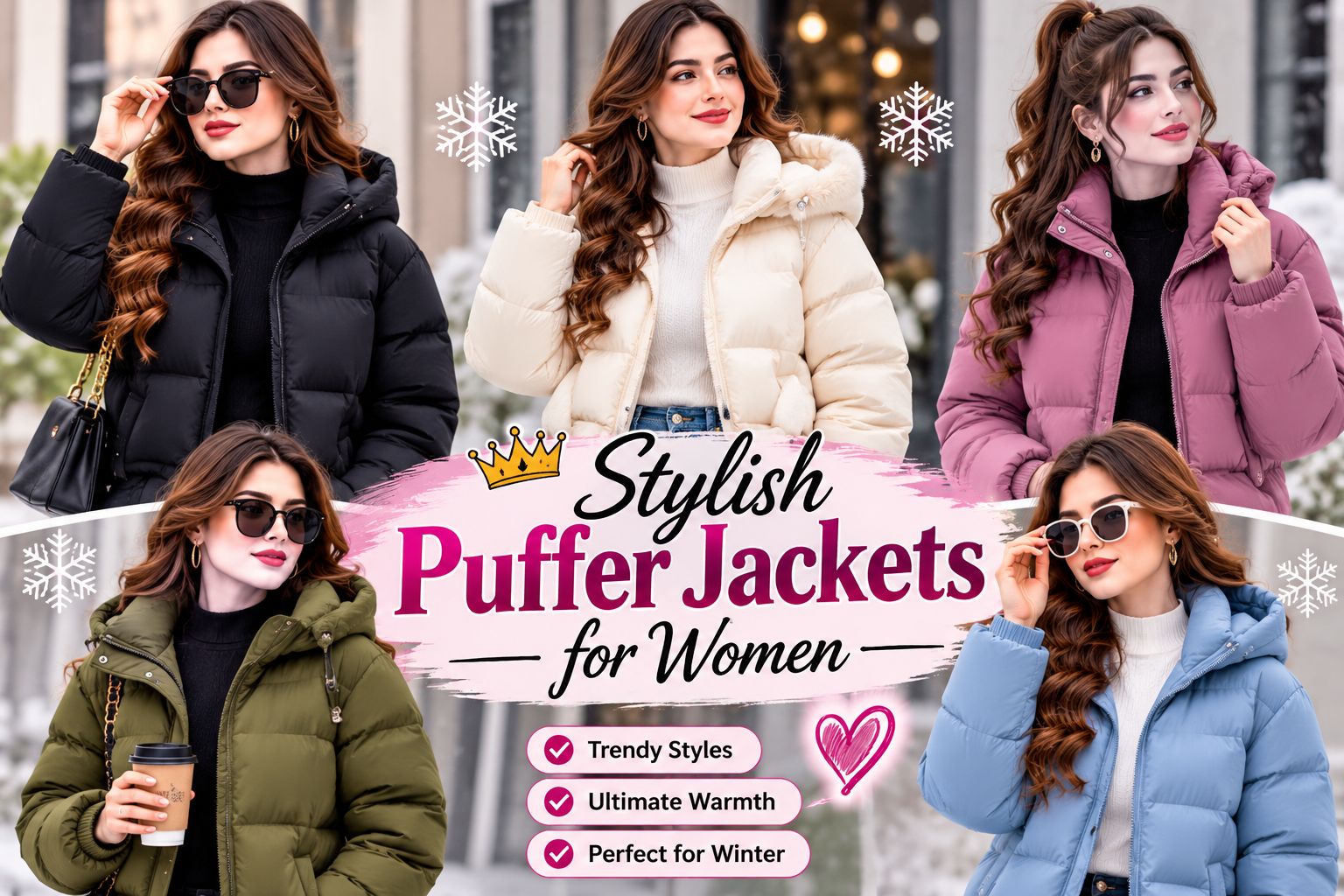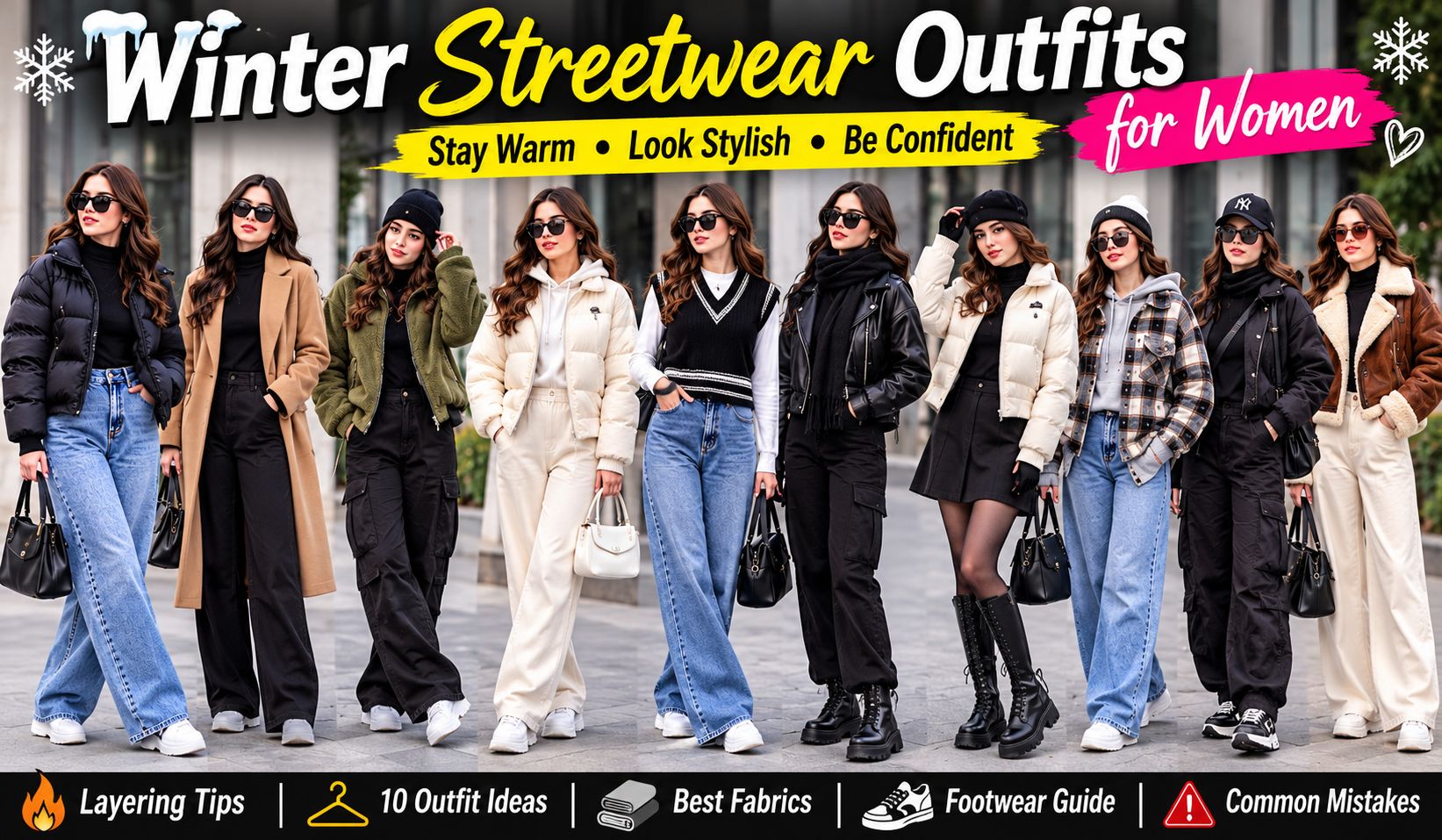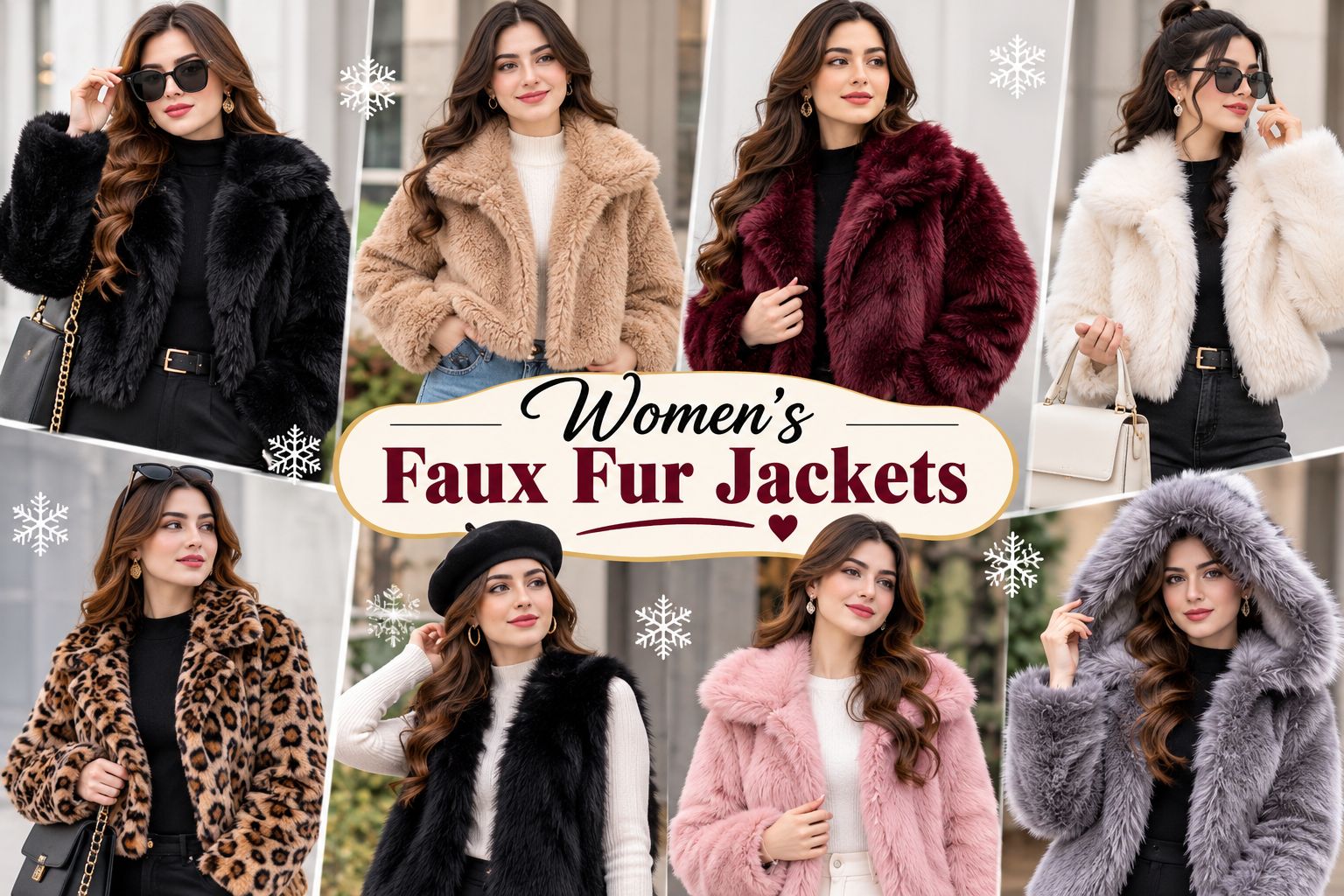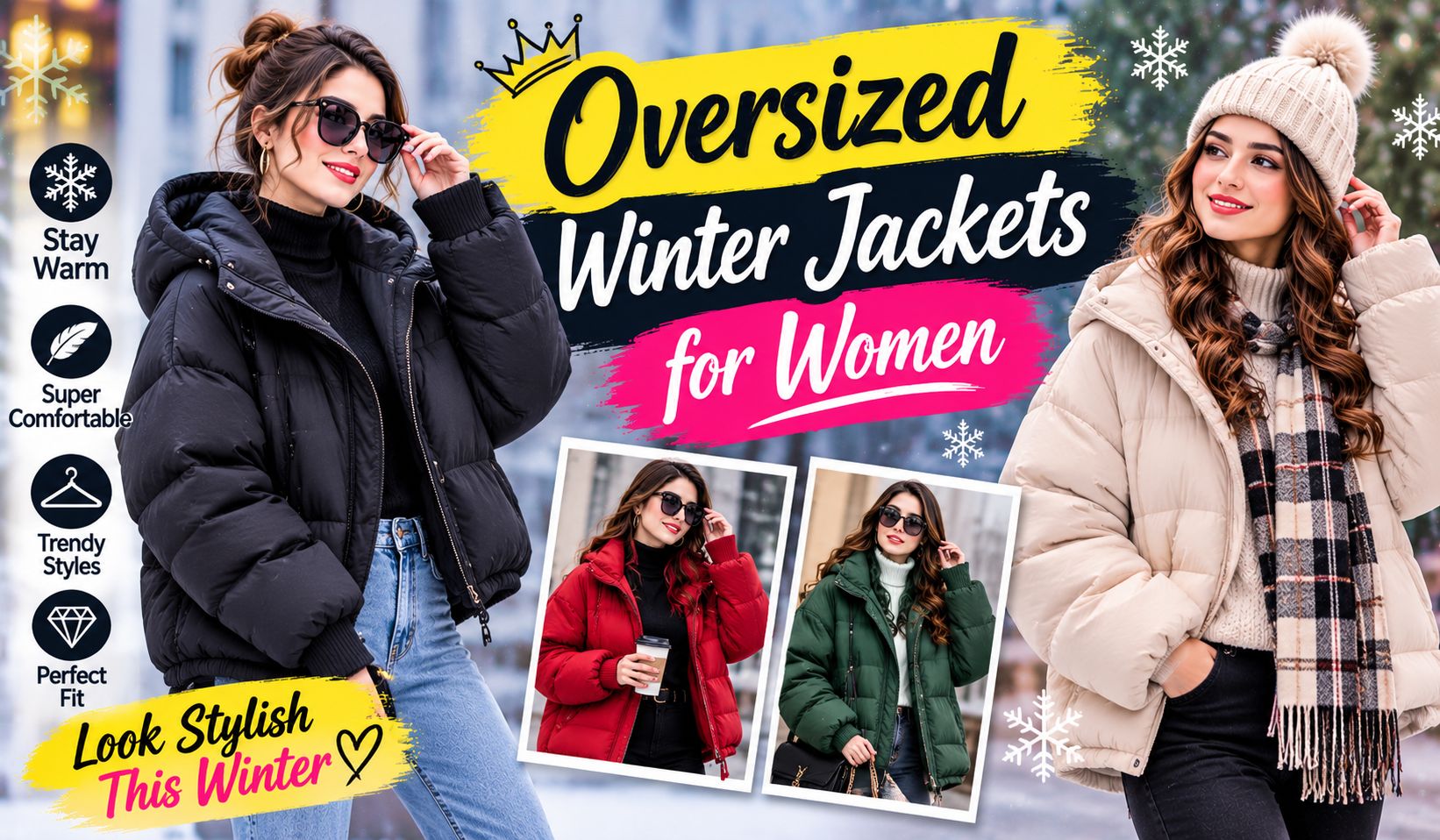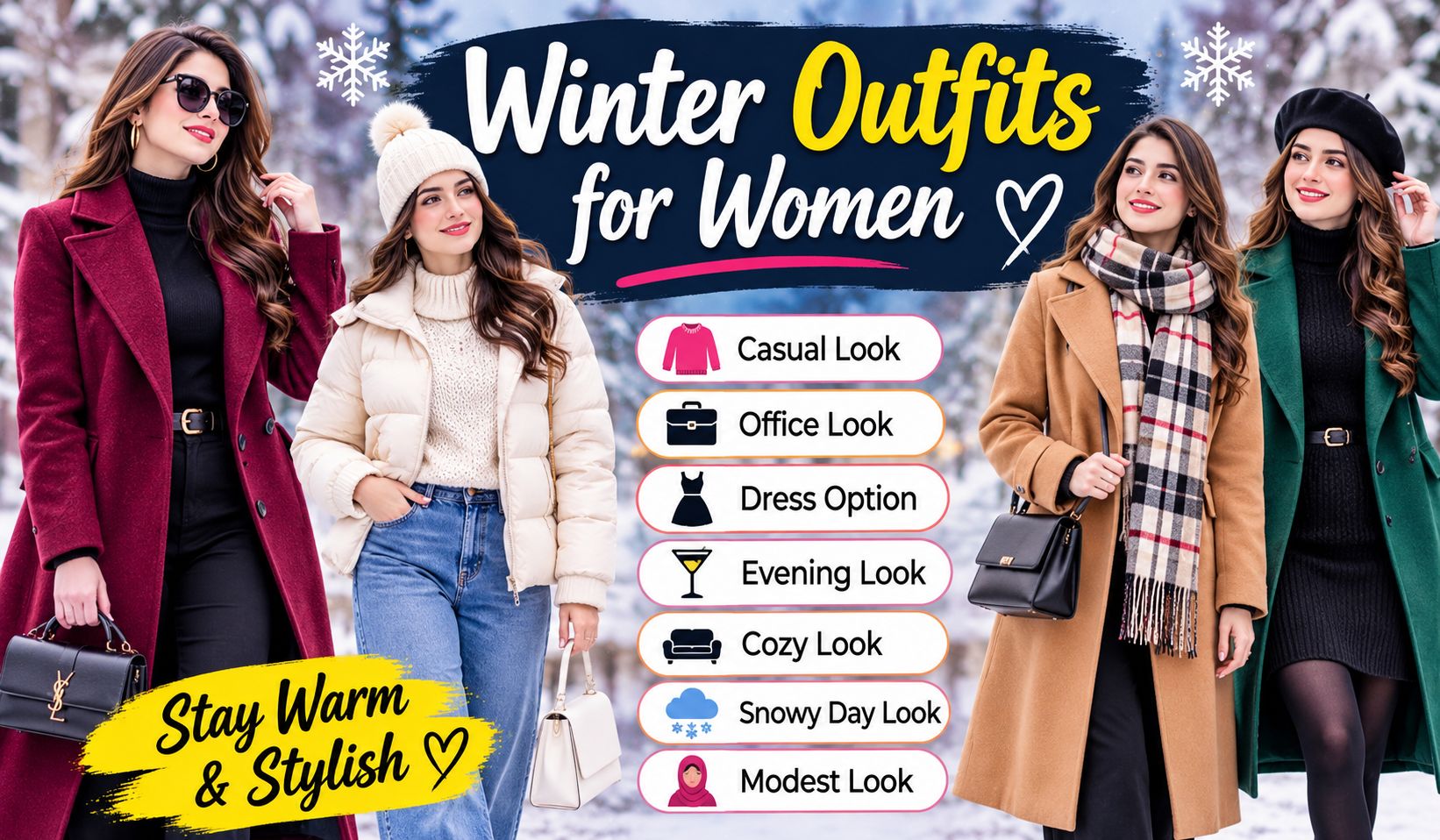
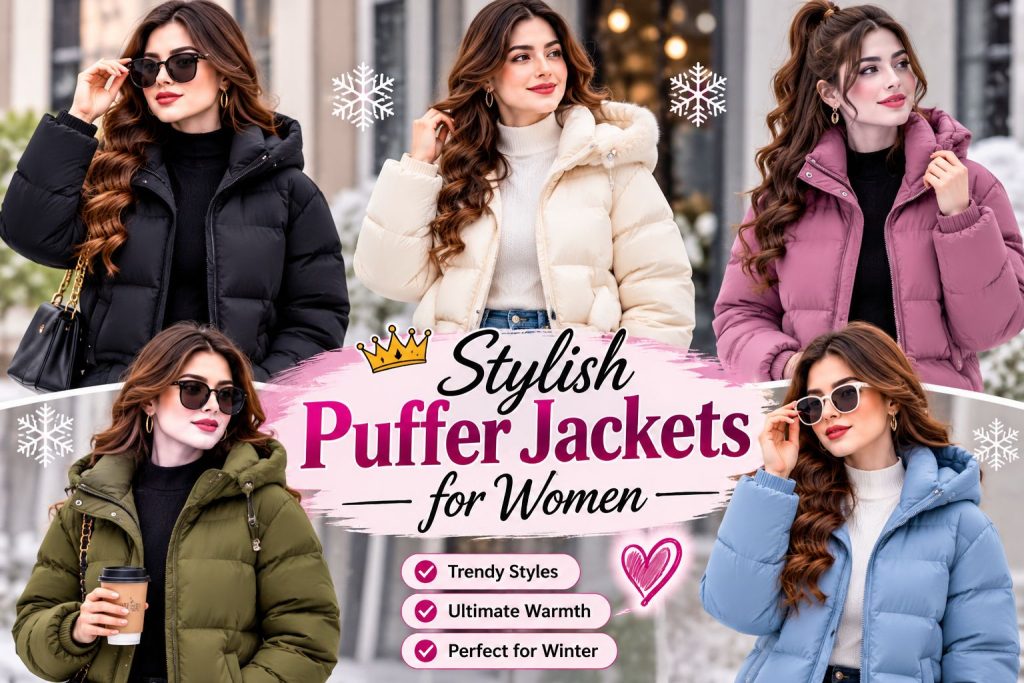
Every winter, the same small drama plays out. You want a jacket that keeps you properly warm, but you also do not want to look like a sleeping bag with legs. Somewhere between “cozy” and “chic” is a coat you will actually reach for every morning.
The good news is that puffer jackets have changed. They are no longer just bulky outdoor gear. As the look has evolved alongside lighter fabric technology, there are now plenty of streamlined and tailored options that deliver the look without the bulk.
This guide shows you how to pick one: the main styles, what the labels really mean, how to match a jacket to your climate, how to style it, and the mistakes that lead to a coat you regret.
Table of Contents
ToggleThe Short Answer: What Makes a Puffer Jacket Both Stylish and Warm?
A stylish puffer jacket for women balances four things: a flattering shape (cropped, longline, tailored, or oversized), good insulation (down or modern synthetic fill), a fit that allows layering without bulk, and a color or finish that works with the clothes you already own.
If you only remember one rule, make it this: buy for your real weather first, then for your style. A beautiful coat that leaves you shivering will stay in the closet.
Quick decision guide
- Mild winters: lightweight or packable puffers
- Cold, wet climates: water-resistant or synthetic-fill styles
- Very cold weather: longline or parka-length down puffers
- Office or city wear: tailored, belted, or matte-finish designs
- Casual and travel: cropped or packable styles
The Main Puffer Styles, and Who They Suit
Retailers now cover a wide range of shapes. One high-street edit lists everything from lightweight bomber jackets to long parkas, and another guide describes everything from sleek cropped designs to oversized statement pieces, which gives you a sense of the spread.
The Cropped Puffer
Short and playful, a cropped puffer sits at or above the hip. It works well with high-waisted trousers, jeans, and skirts, and it keeps your silhouette defined. The trade-off is less warmth for your lower back and thighs, so it suits milder days or layering.
The Longline Puffer
This is the warmth champion. A knee-length or longer coat covers more of your body and blocks wind. Longline puffer coats are recommended for really chilly days. Look for a side slit or a cut that lets you walk comfortably, and a belt option if you want shape.
The Oversized Puffer
The big, dramatic look is a favorite on the street. It layers easily over knitwear and suits relaxed outfits. Balance the volume by keeping the lower half fitted, such as slim trousers or leggings.
The Tailored or Belted Puffer
Tailored styles trade some puff for polish. A defined waist and cleaner quilting make them easier to wear to work or dinner. If you are not sure you like the puffer look, this is the safest starting point.
The Puffer Vest
Vests are excellent mid-season layers and double as extra warmth under a coat. They also help if you run warm and find full sleeves too much indoors.
The Packable Puffer
Light, compressible styles fold into their own pocket, which is perfect for travel or unpredictable weather. Popular packable options include water-resistant fabric, full-zip closures, and elasticized cuffs that help block wind. They are best as a layer, not as your only coat in harsh cold.
Understanding Insulation: Down vs Synthetic
This is the part of the label that confuses most shoppers, so here is the simple version.
Down
Down is made of the soft clusters from ducks or geese. It remains the classic choice because of its excellent warmth-to-weight ratio, meaning you get a lot of warmth from a light coat. It tends to lose insulating power when it gets wet, so it is best for cold, dry conditions or with a water-resistant outer fabric.
Fill power is a number you may see on down jackets. In general, a higher number means the down traps more air for its weight, so you get more warmth with less bulk. Fill power describes quality, not total warmth, so the amount of fill matters too.
Synthetic Insulation
Synthetic fills copy down’s structure using manmade fibers. Newer synthetic options have improved a great deal and perform better in wet conditions. They usually cost less, dry faster, and suit damp climates and people who prefer to avoid animal products.
Which Should You Choose?
| Your situation | Better fit |
| Dry, very cold winters | Down |
| Wet or damp winters | Synthetic |
| Budget-conscious | Synthetic |
| Travel and packing small | Either, with packable design |
Features That Separate a Good Puffer From a Disappointing One
Before you buy, check these details.
- Quilting pattern (baffles). Horizontal or vertical stitching holds the insulation in place. Larger, well-structured baffles create the classic puffed look.
- Water resistance. A durable water-repellent finish helps with light rain and snow. Truly waterproof coats are a separate category.
- Zip quality. A smooth, sturdy zipper saves daily frustration. Look for a storm flap for extra wind protection.
- Hood and collar. A high collar or adjustable hood makes a big difference in wind.
- Cuffs and hem. Elasticized or adjustable edges keep warm air in.
- Pockets. Fleece-lined or zippered pockets are a real bonus.
- Length and sleeve fit. Raise your arms in the fitting room. If the hem rides up a lot or the sleeves feel tight, size up or try a different cut.
How to Pick the Right Weight for Your Weather
Temperature guidance varies by person and by region, so use this as a loose starting point.
- Cool and mild (roughly 8 to 15°C): A lightweight or packable puffer or a vest over knitwear.
- Cold (roughly 0 to 8°C): A mid-weight puffer with a hood, ideally with some water resistance.
- Very cold (below freezing): A longline or parka-style puffer with substantial insulation.
If you tend to feel the cold, go one level warmer. It is much easier to open a coat indoors than to endure a thin one outside.
How to Style a Puffer Jacket So It Looks Intentional
A puffer can look sharp or sloppy depending on how you build the outfit around it.
For Everyday Casual
Pair a cropped or mid-length puffer with straight or wide-leg jeans, a knit sweater, and clean sneakers or ankle boots. Keep colors simple, and let the jacket be the statement.
For Work and the City
Choose a longline or tailored puffer in black, navy, camel, or olive. Wear it over a blazer, trousers, and loafers or boots. A matte finish tends to look more refined than a very shiny one.
For Evenings and Dressier Outfits
A longline puffer over a dress and boots can look surprisingly elegant. Add a scarf and minimal jewelry. One editor suggests finishing the look with seasonal knitwear and a supersized scarf for a cozy winter outfit.
Balancing Proportions
- Volume on top? Keep the bottom slimmer.
- Cropped jacket? Go high-waisted.
- Long coat? Add a belt, or wear fitted layers underneath.
Colors That Work Hardest
If you want a puffer you will wear constantly, choose a shade that works with most of your wardrobe.
- Black: Goes with everything and hides dirt.
- Camel, beige, or cream: Soft and elegant, though lighter shades need more care.
- Olive or forest green: Easy to wear and a little less predictable.
- Navy or charcoal: Smart and understated.
- Bold shades or glossy finishes: Fun statement options if your other clothes are neutral.
Budget: What to Expect at Different Price Points
You can find a good puffer at almost any budget, but the trade-offs differ.
- Low cost: Often synthetic fill and a simpler design. Look for decent seams and reliable zips, and read reviews about warmth.
- Mid-range: Better insulation, thoughtful details, and nicer fabric. Brands like Everlane offer options such as the ReNew Long Puffer, listed at about $327 in one roundup.
- Higher-end: Premium down, refined design, and often stronger durability. One roundup listed Patagonia’s Down With It Parka at around $353, and The North Face’s Himalayan Down Puffer appears among popular high-street picks.
Prices change often, so treat those figures as examples, not promises. If you like seeing how brand partnerships shape trends, our look at how fashion collaborations shape what we wear shows how big a role they play.
How to Care for Your Puffer
A good coat lasts longer with basic care.
- Check the label. Washing instructions differ between down and synthetic.
- Spot clean first. Small stains often do not need a full wash.
- Use gentle cycles and mild detergent when the label allows.
- Dry thoroughly. Damp insulation can clump or smell.
- Fluff it afterward. Shake the jacket to restore loft.
- Store loosely. Compressing a coat for months can flatten the fill.
Common Mistakes When Buying a Puffer
- Buying only for looks. If it is too thin for your climate, you will not wear it.
- Ignoring layers. Try the coat on with a sweater you actually plan to wear.
- Choosing the wrong length. A cropped jacket in a very cold city leaves you exposed.
- Skipping the zip test. A sticky zipper becomes a daily annoyance.
- Forgetting resale or longevity. Classic colors and cuts stay wearable for more seasons.
- Falling for “waterproof” claims. Check what the label actually promises.
Frequently Asked Questions
What is the most flattering puffer jacket?
It depends on your shape and style. A tailored or belted puffer defines the waist, a cropped style pairs well with high-waisted bottoms, and a longline puffer elongates the silhouette. Try a few cuts and see which feels best on you.
Are puffer jackets actually warm?
Yes, a good one is. Warmth comes from the insulation, how much fill there is, and how well the coat blocks wind. Down offers excellent warmth for its weight, while modern synthetic fills perform well in damp conditions.
Should I buy a down or synthetic puffer?
Choose down for very cold, dry weather and a lightweight feel. Choose synthetic for wetter climates, a lower price, or if you prefer to avoid animal-derived materials.
Can I wear a puffer jacket to work?
Yes. Choose a tailored or longline puffer in a neutral color with a matte finish and pair it with smart layers.
How do I stop a puffer from looking too bulky?
Choose a streamlined cut, wear fitted layers underneath, and balance volume on top with slimmer pieces below. A belted style also adds shape.