You stand in front of the wardrobe at 7 a.m. with a coffee in one hand and a growing sense of dread. It is freezing outside, the heating inside is uneven, and every outfit you try is either too bulky to move in or too thin to survive the walk to work.
Most winter outfit trouble comes down to one thing: dressing for the coldest moment instead of for the whole day. Warm clothes alone do not solve it. What solves it is a system.
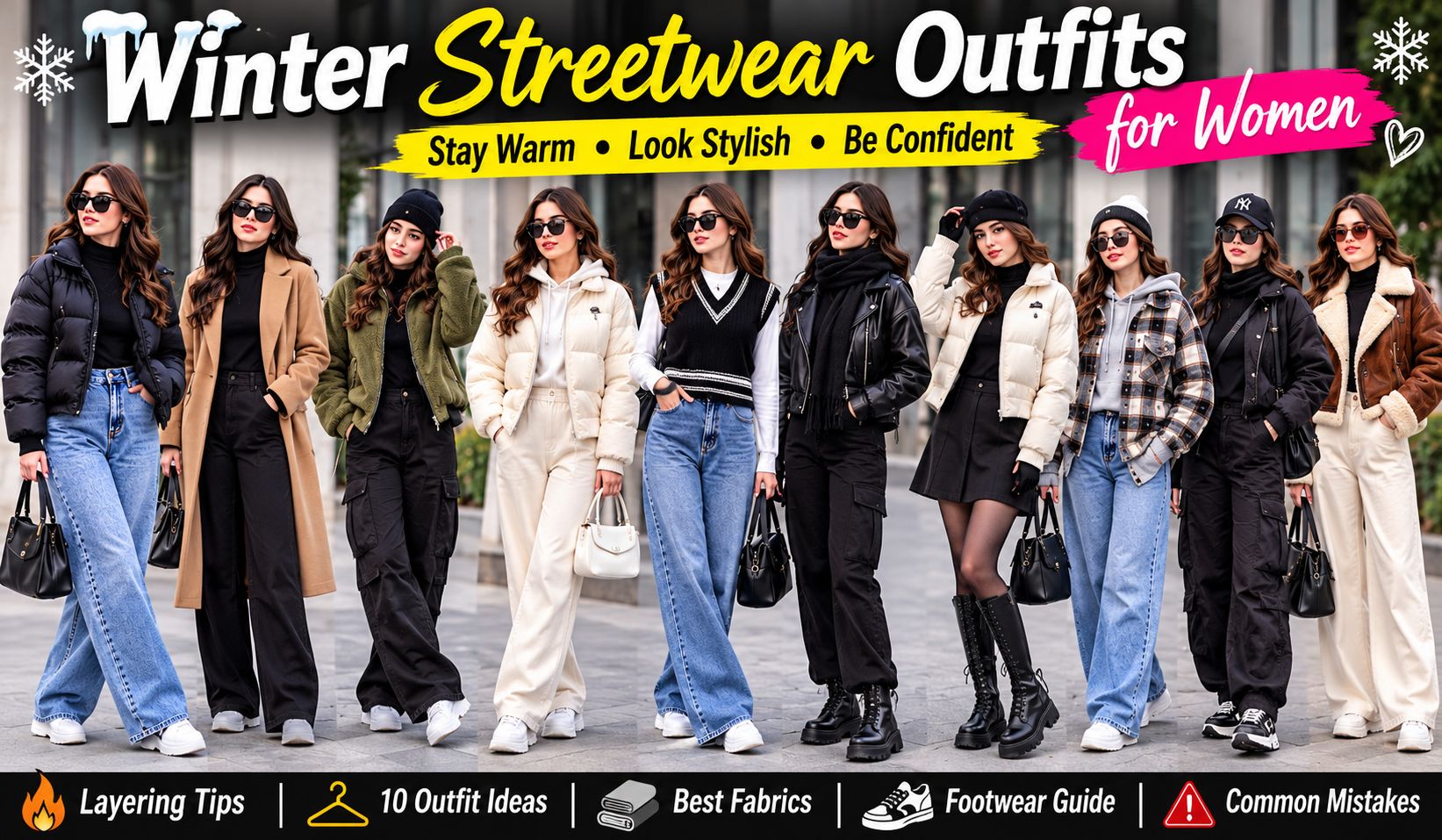
This guide gives you that system. You will learn how layering really works, which fabrics earn their place, outfit formulas for work, weekends, and evenings, and the common mistakes that leave you cold or sweaty. Everything here is practical, flexible, and works whether your winter is damp, snowy, or dry and bitter.
Table of Contents
ToggleThe Short Answer: How Do You Build a Good Winter Outfit?
A reliable winter outfit has three layers: a base layer that sits against your skin and manages moisture, a middle layer that traps warmth, and an outer layer that blocks wind and rain. Add warm accessories and sensible footwear, and you have a complete look.
The formula in one line
Thin base layer + insulating middle layer + weatherproof coat + scarf, hat, gloves + warm socks and boots.
Once you have that structure, style comes from color, proportion, and a few well-chosen pieces rather than from piling on clothes.
Why Layering Works Better Than One Heavy Sweater
Many people reach for the thickest sweater they own and wonder why they still feel cold. The problem is that warmth comes from trapped air, not thickness alone.
Several thin layers create small pockets of warm air between them. They also give you control. When you step indoors, you can remove one layer instead of overheating in a single bulky garment. And if one layer gets damp, the others still work.
The Three Layers Explained
Base layer. This sits next to your skin. Its job is to feel comfortable and keep sweat from chilling you. Thin merino wool, thermal tops, or a soft fitted long-sleeve work well.
Mid layer. This is your insulation. Think knit sweaters, cardigans, fleece, or a thin quilted vest. This layer does most of the warming.
Outer layer. This is your shield. A wool overcoat, puffer, parka, or lined trench blocks wind and, depending on the fabric, rain or snow.
A Quick Real-Life Example
Imagine a morning commute that starts at 2°C and ends in a warm office. A fitted long-sleeve top, a medium-weight knit, and a wool coat handle both worlds. You wear all three outside and remove the coat indoors. A single heavy sweater would leave you either cold on the way or uncomfortable at your desk.
Fabrics That Actually Keep You Warm
Fabric choice often matters more than brand or price.
- Wool and merino. Warm, breathable, and good at staying comfortable even if slightly damp.
- Cashmere. Very soft and warm for its weight, though it needs gentle care.
- Fleece. Light and warm, good for casual layers and outdoor activity.
- Down and synthetic insulation. The warmth behind puffer coats. Down is light and very warm in dry cold, while synthetic fills tend to cope better when damp.
- Thermal knits. Close-fitting base layers that add warmth without bulk.
- Cotton. Comfortable, but it holds moisture. In very cold or wet weather, cotton next to the skin can feel chilly once it gets damp.
Fabrics to Be Careful With
Thin synthetics that do not breathe can trap sweat, and loosely woven knits let wind slip through unless you wear a coat over them. Always check the label rather than assuming a thick-looking garment is warm.
Winter Outfit Formulas You Can Copy
Formulas take the guesswork out of getting dressed. Here are combinations that work in real life.
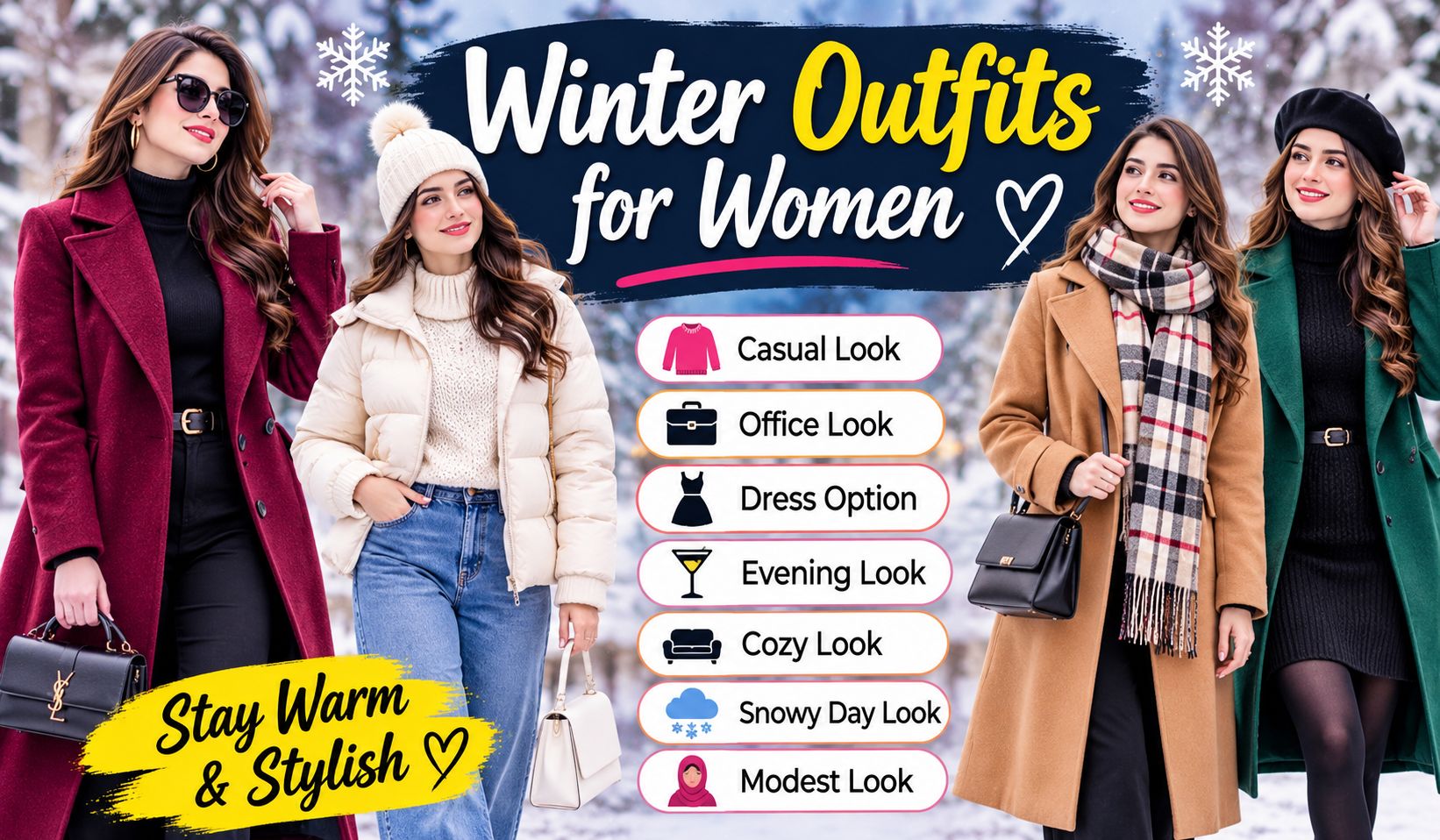
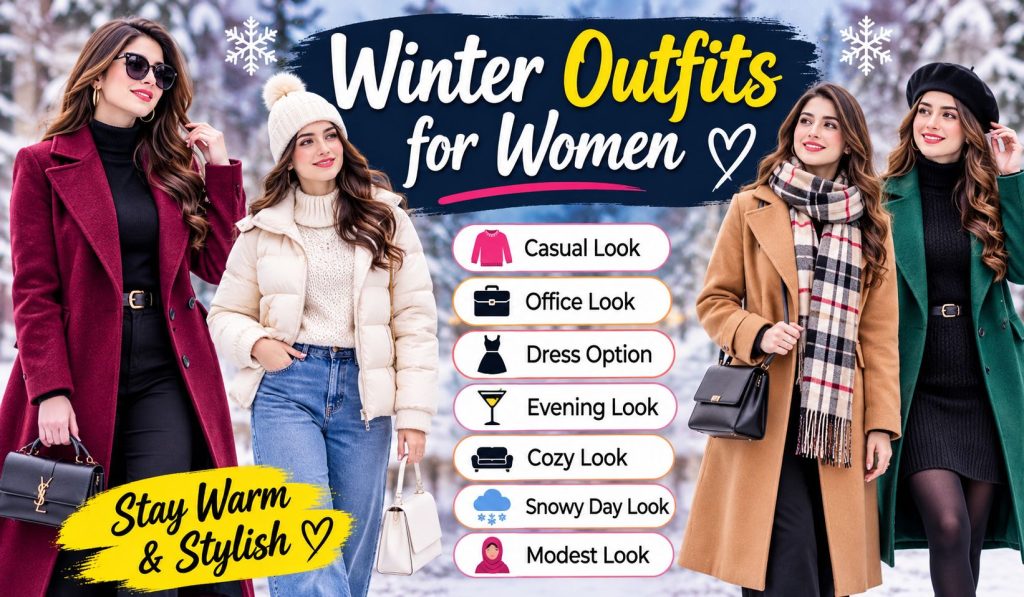
The Everyday Casual Look
- Fitted base top
- Chunky or mid-weight sweater
- Straight or relaxed jeans
- Puffer coat or wool coat
- Boots with good grip
- Beanie and scarf
This outfit is comfortable, easy to adjust, and suits errands, coffee dates, and casual days out.
The Office-Ready Look
- Silk-blend or soft knit blouse
- Tailored trousers or a midi skirt with thick tights
- Fine-gauge sweater or blazer
- Long wool coat
- Ankle or knee-high boots with a low or block heel
Keep the colors cohesive, and use a coat that fits over your layers without pulling at the shoulders.
The Dress Option
Dresses are not off the table in winter. Pair a knit or midi dress with opaque tights or thermal leggings, a long coat, and knee-high boots. Add a fitted layer under the dress if you want extra warmth.
The Evening Out Look
- Satin or silk-style top or a dressy knit
- Wide-leg trousers or a skirt
- Statement coat that you do not mind wearing indoors for a moment
- Heeled boots or smart flats if the ground is dry
Plan for the walk between the door and the venue. A beautiful outfit loses its charm if you are shivering at the bus stop.
The Weekend Cozy Look
- Soft base layer
- Oversized knit or fleece
- Straight-leg joggers or comfortable jeans
- Quilted jacket
- Sneakers with warm socks, or flat boots
The Rainy or Snowy Day Look
- Water-resistant coat with a hood
- Wool or thermal layers underneath
- Lined or waterproof boots
- Thick socks
- Gloves that stay warm even when damp
Choose darker bottoms if slush is likely.
The Modest and Layered Look
Long coats, loose knitted tunics, wide trousers, maxi skirts, and scarves work well for anyone who prefers more coverage. Layering gives you warmth without needing tight or revealing pieces, so these outfits adapt easily to personal style.
Coats: The Piece Worth Investing In
If you spend money in one place, make it the coat. It does the heaviest work for the longest part of the season.
Types and What They Suit
- Wool overcoat. Polished and versatile. Good for work and dressy outings.
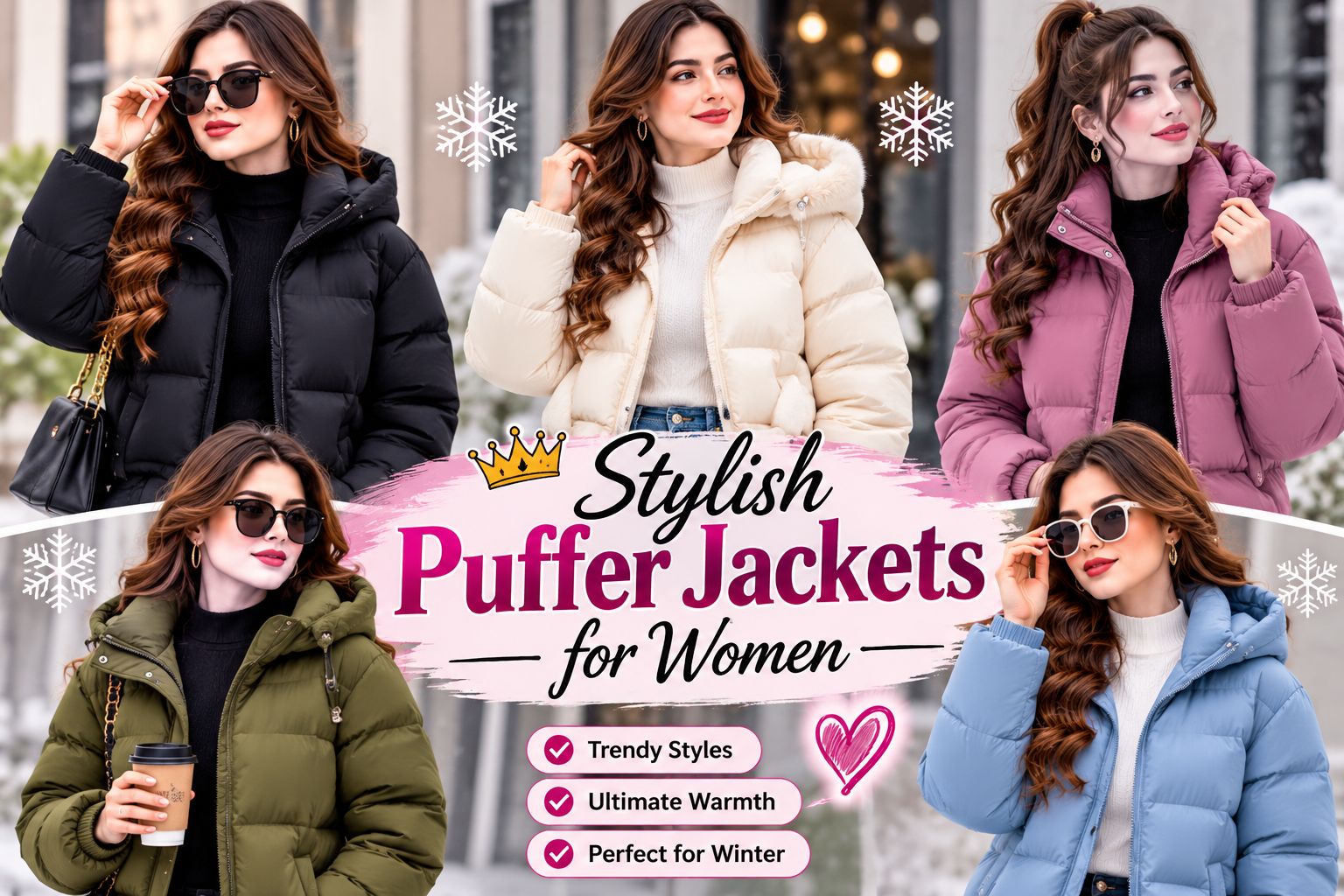
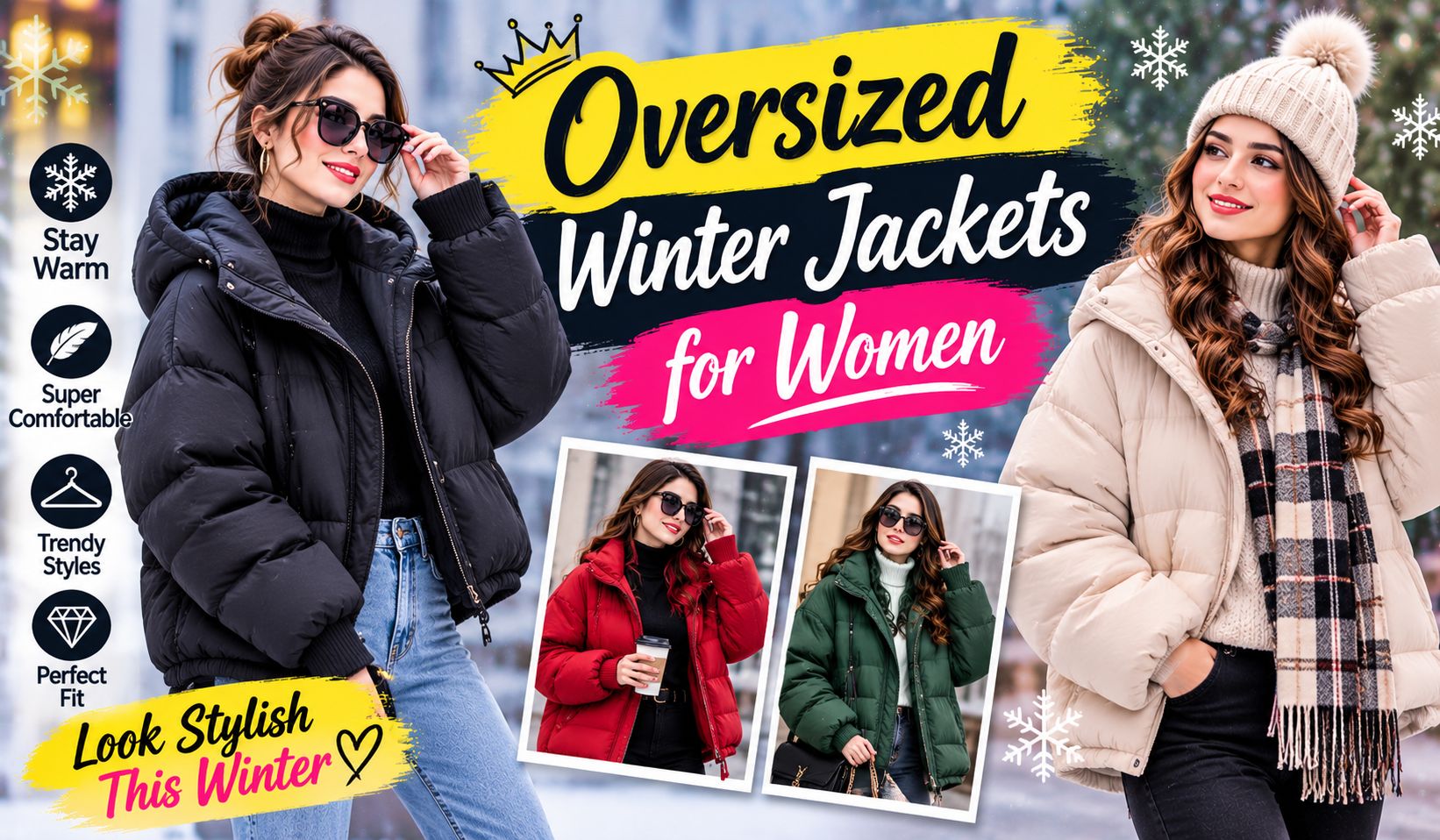
- Puffer coat. Warm and light. Great for very cold days and casual wear.
- Parka. Practical, often with a hood and a fur-style or fleece lining. Good for wet and windy weather.
- Trench coat with a liner. Best for milder, rainy winters.
- Shearling-style or faux-fur coat. Warm and stylish, though heavier.
How to Check the Fit
- Raise your arms. The coat should not ride up or feel tight across the back.
- Wear your thickest sweater when trying it on.
- Check the length. Longer coats cover more of your body and block more wind.
- Make sure it closes comfortably at the front.
Accessories That Quietly Do the Most Work
A big share of heat loss happens at exposed areas such as the head, hands, and neck, and small items can change how warm you feel.
- Scarf. Choose wool or a thick knit. Tuck it inside your coat to block drafts.
- Hat. A beanie, knit cap, or hat with ear coverage keeps your head warm.
- Gloves or mittens. Mittens are generally warmer than gloves, since fingers share warmth.
- Socks. Wool or thermal socks matter more than almost any other small item.
- Tights and leggings. Fleece-lined styles add warmth under dresses and skirts.
Footwear That Doesn’t Betray You
Choose boots with a grippy sole, enough room for thick socks, and some water resistance if your area is wet. Cold, damp feet can ruin an otherwise perfect outfit.
Color and Style Tips for Winter
Winter wardrobes do not have to be gloomy. A few simple choices help you look put together.
- Build around a neutral base. Black, navy, gray, camel, and cream mix easily.
- Add one color. A rust sweater, deep green scarf, or burgundy hat lifts the whole outfit.
- Mix textures. Combining knit, wool, leather, and corduroy adds depth without extra pieces.
- Play with proportions. If your top is bulky, balance it with a slimmer bottom. If your coat is oversized, keep the layer underneath fitted.
- Keep one statement item. A bold coat, a patterned scarf, or interesting boots is plenty.
A Simple Winter Capsule Wardrobe
You do not need a huge closet. These twelve pieces cover most situations:
- Two fitted long-sleeve base layers
- Two knit sweaters in neutral colors
- One cardigan or fleece
- One pair of dark jeans
- One pair of tailored trousers
- One knit or midi dress
- One wool or tailored coat
- One puffer or practical outdoor coat
- One pair of waterproof boots
- One pair of dressier boots or flats
- One scarf, hat, and glove set
- Several pairs of warm socks and tights
Mix and match, and you will rarely feel underdressed.
If you enjoy this kind of practical wardrobe advice, browse our more style guides for more ideas.
Common Winter Outfit Mistakes
- Wearing only one thick layer. You lose flexibility and often feel too hot or too cold.
- Choosing cotton for the coldest days. Once damp, it chills.
- Buying a coat that is too tight. Layers need room, or you will end up cold and uncomfortable.
- Ignoring your feet. Cold feet make the whole body feel colder.
- Skipping wind protection. A warm sweater under a thin jacket still lets wind cut through.
- Forgetting indoor temperatures. If your office or home is warm, you need layers you can remove.
- Overbuying trendy pieces. A few well-made basics last longer than many weak ones.
How to Care for Winter Clothes
Good care keeps clothes warm and attractive for years.
- Wash wool and cashmere gently or follow the label, and avoid high heat.
- Use a fabric shaver or comb to remove pilling.
- Store knitwear folded, not hung, so it does not stretch.
- Air out coats between wears.
- Use cedar blocks or similar methods to protect wool from moths when storing.
Budget-Friendly Ways to Dress Warmly
- Spend most of your budget on a coat and boots.
- Buy basics in neutral colors so everything matches.
- Look for end-of-season sales.
- Check secondhand stores for wool coats and knitwear.
- Add warmth cheaply with thermal base layers and good socks.
Frequently Asked Questions
What should a woman wear in freezing weather?
Dress in layers: a thermal or merino base layer, an insulating sweater or fleece, and a windproof, insulated coat. Add a hat, scarf, gloves, warm socks, and insulated boots.
How can I layer without looking bulky?
Choose thin, fitted base layers, then add one medium-weight knit and a well-cut coat. Using several thin layers instead of one thick one gives warmth without bulk.
What colors are best for winter outfits?
Neutrals like black, navy, gray, camel, and cream are easy to mix. Add depth with deep shades such as green, burgundy, or rust.
Can I wear dresses in winter?
Yes. Pair them with opaque or fleece-lined tights, knee-high boots, and a long coat. A fitted layer underneath adds extra warmth.
What is the warmest type of coat?
Down-filled puffers and insulated parkas are generally the warmest for very cold, dry weather. Wool coats are warm and stylish for moderate cold, especially with layers underneath.