You try on a jacket in the shop and love the cozy, slouchy shape. Then you wear it outside and discover the sleeves swallow your hands, the hem hits an awkward spot, and the cold still finds a way in through the neck.
Oversized jackets look effortless, but they are surprisingly easy to get wrong. The difference between “intentionally roomy” and “borrowed from someone twice your size” comes down to fit, fabric, and proportion.
This guide covers what oversized really means, the main jacket styles, the fabrics and insulation that actually keep you warm, how to size and style one for your height and shape, and the mistakes that make a good jacket look sloppy.
Table of Contents
ToggleThe Short Answer: How Do You Choose a Good Oversized Winter Jacket?
Choose an oversized winter jacket with a shoulder seam that sits slightly past your natural shoulder, enough chest room to layer a sweater, sleeves that cover your wrists without hiding your hands, and a warm, wind-resistant fabric. Then balance the volume with slimmer pieces underneath.
Quick checklist
- Roomy through the body, but not so big the shoulders collapse.
- Sleeves long enough to cover your wrists with your arms raised.
- A fabric that matches your weather: down or synthetic fill for deep cold, wool blends for dry cold, water-resistant shells for rain and snow.
- A hood, high collar, or storm flap if you face wind.
- Hem length that works with your height.
What “Oversized” Actually Means
Oversized does not mean “too big.” It means intentionally larger cut. Designers add width through the shoulders, chest, and sleeves to create a relaxed, slightly dramatic shape.
Look for these signs of a well-made oversized design:
- Drop shoulders, where the seam sits down the upper arm.
- Generous but shaped volume, not just a larger version of a standard coat.
- Balanced length, so the hem looks deliberate.
- Quality structure, such as a collar that holds its shape.
A jacket that is simply the wrong size tends to droop at the shoulders, pull awkwardly across the back, and bunch under the arms. If the shape looks accidental, it usually is.
The Main Styles of Oversized Winter Jackets
Different styles suit different climates and personalities. Here is how the most popular ones compare.
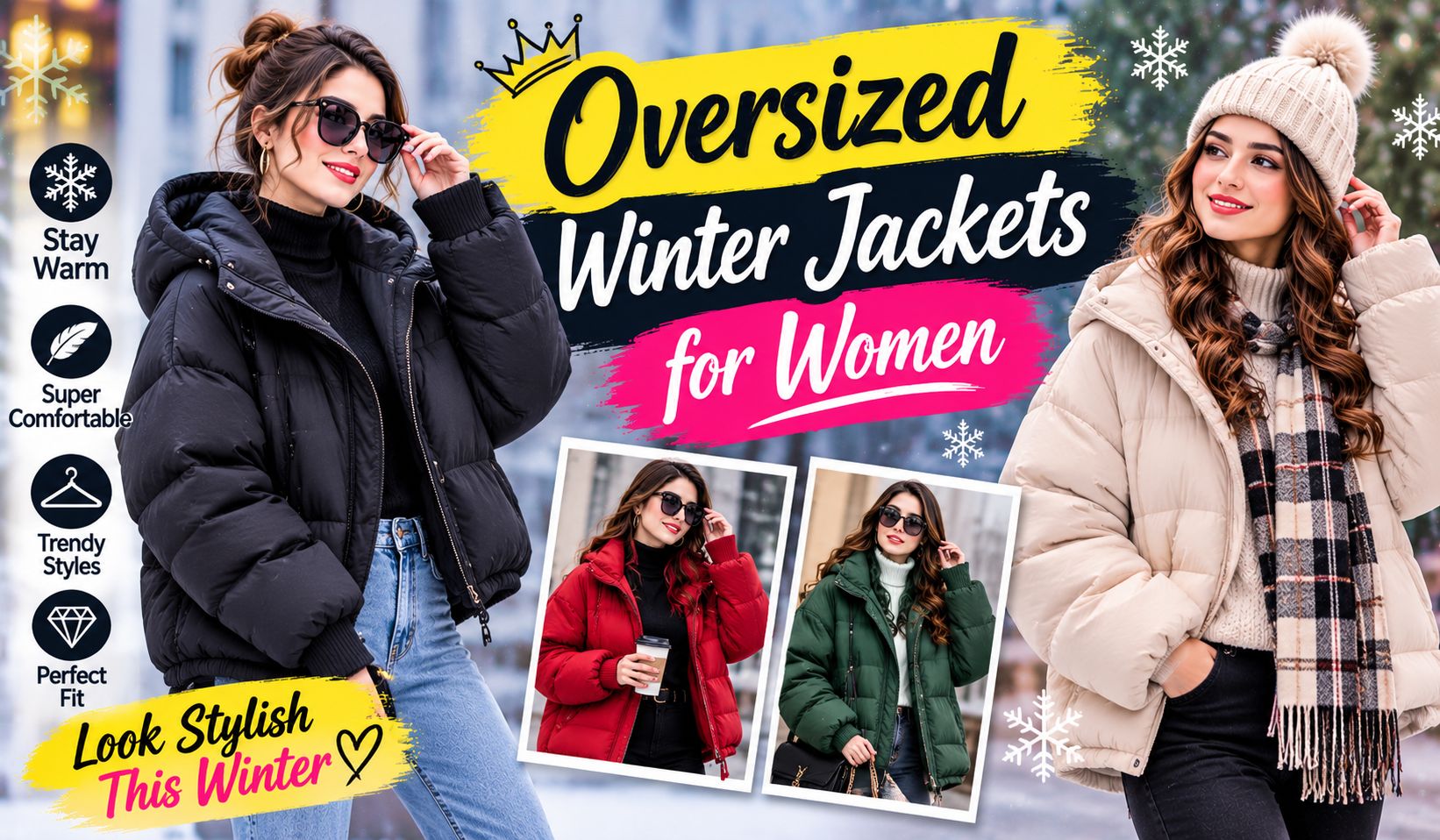
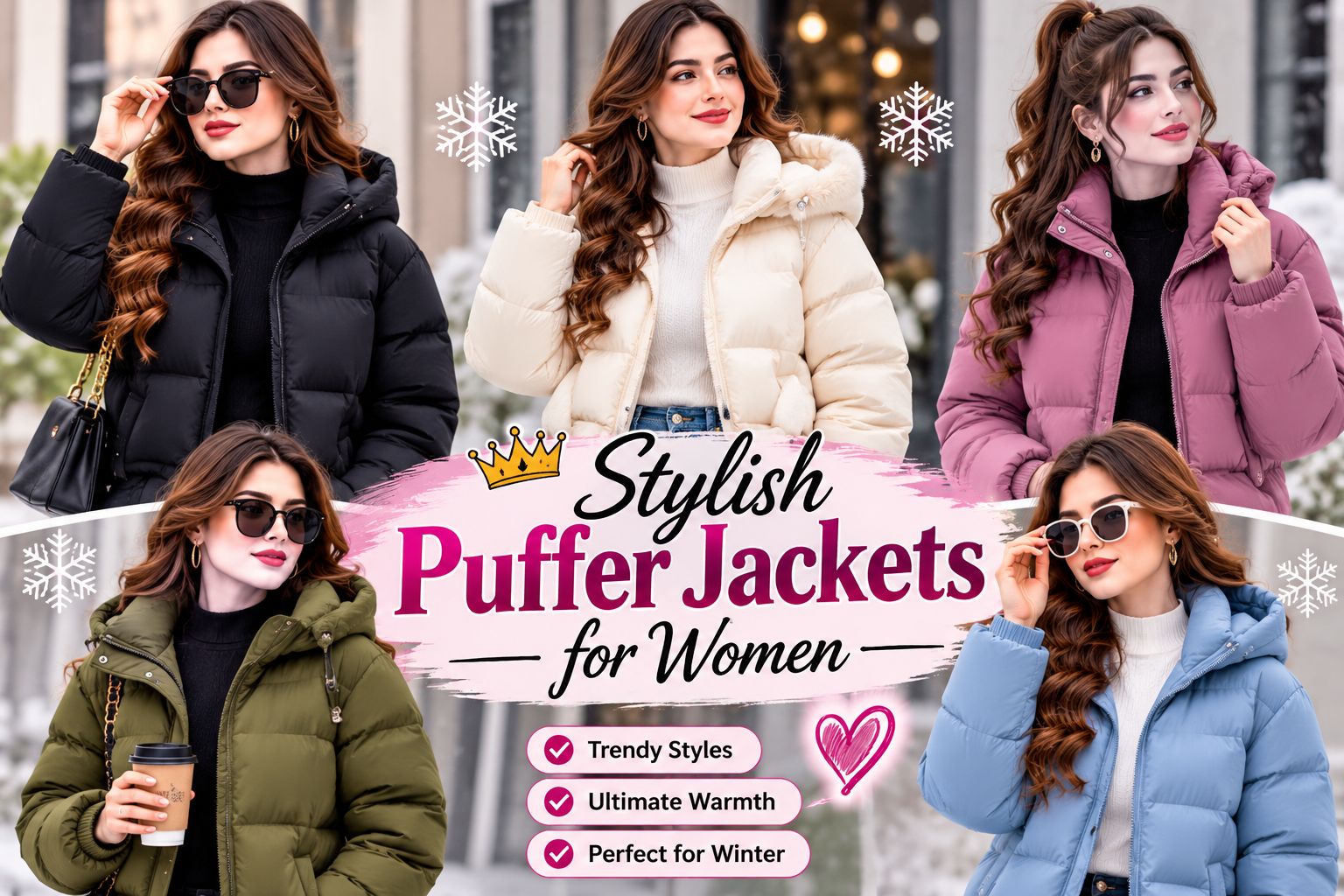
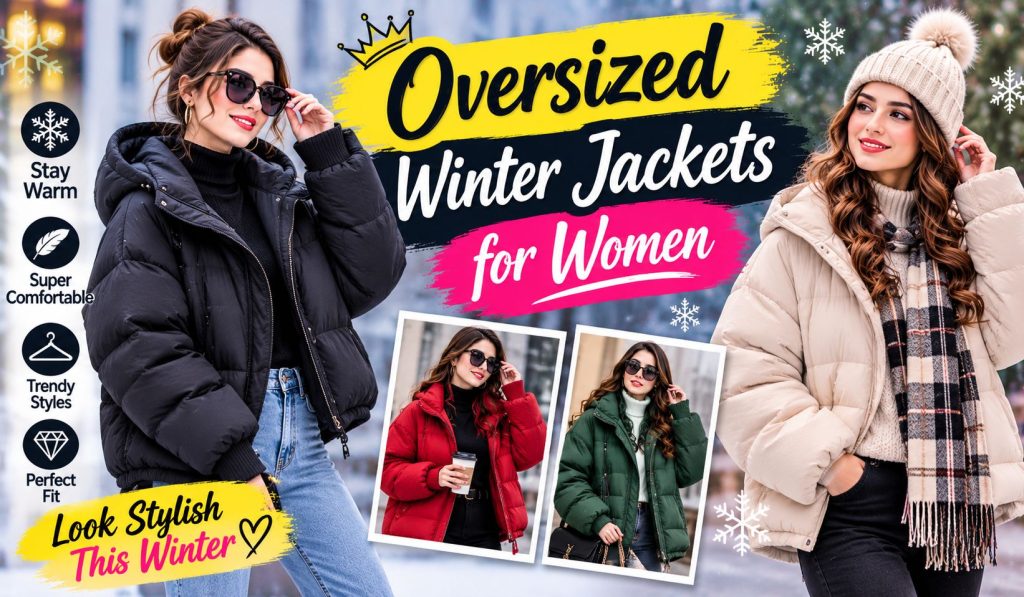
Oversized Puffer Jackets
The puffer is the cold-weather workhorse. Quilted channels trap warm air, and the rounded shape suits an oversized cut naturally.
- Best for: very cold days, commuting, outdoor walks.
- Watch for: a length that does not overwhelm a shorter frame. A cropped or hip-length puffer is easier to balance.
Oversized Parkas
Longer, with a hood and often a drawstring waist, parkas offer serious weather protection. They typically fall at mid-thigh or lower.
- Best for: wind, snow, and wet climates.
- Watch for: a waist drawstring or belt that lets you shape the silhouette when you want to.
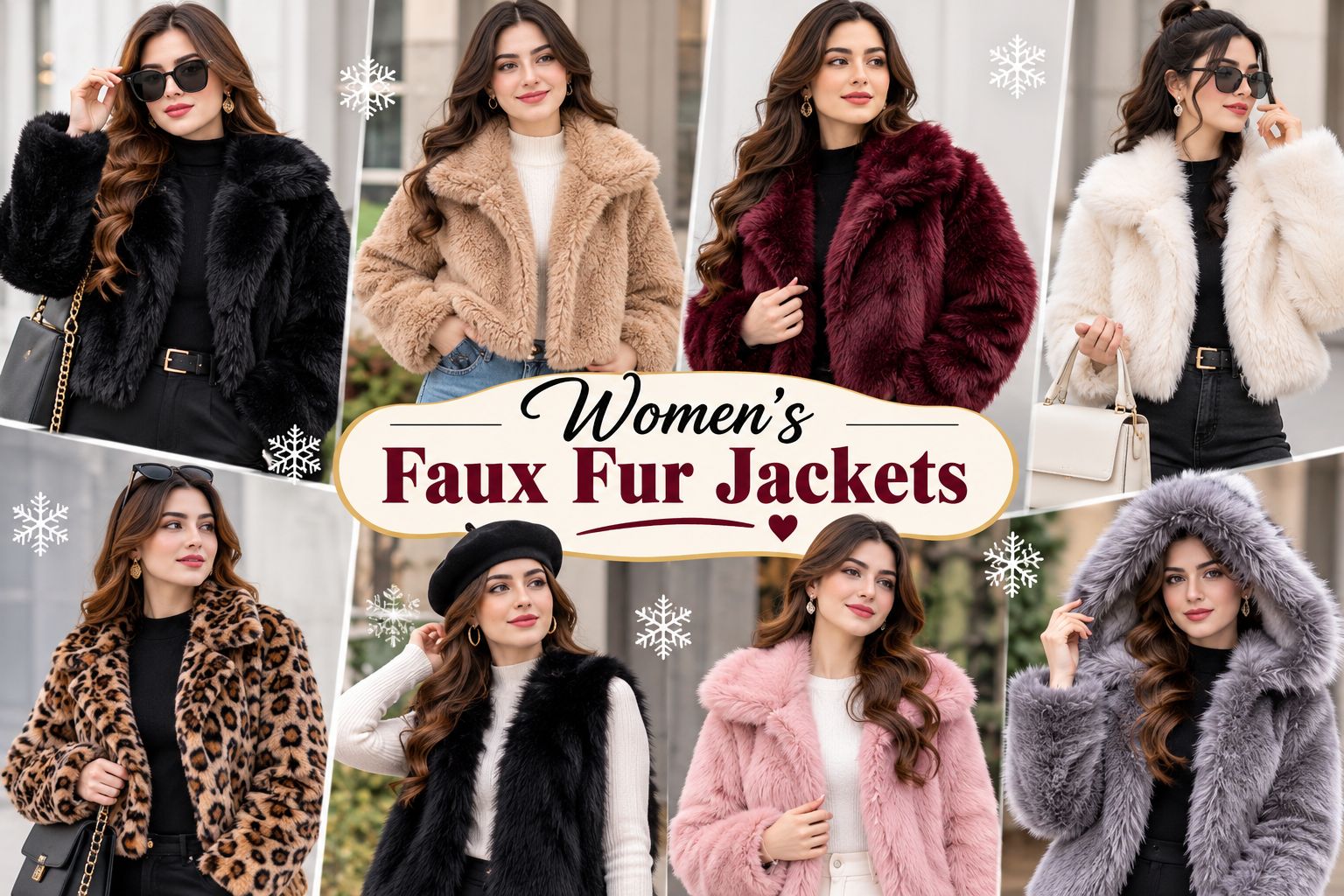
Teddy and Faux-Fur Coats
Soft, plush, and very much a style piece. The thick pile traps air, which makes them comfortable in dry cold.
- Best for: dry winter days and casual outfits.
- Watch for: limited wind and rain protection. Most are not designed for storms.
Oversized Wool and Wool-Blend Coats
A tailored option that suits office wear and smarter outfits. Wool is naturally warm and breathes well.
- Best for: dry, cold weather and polished looks.
- Watch for: the blend. Higher wool content is usually warmer, while synthetic blends can be lighter and cheaper but less insulating.
Quilted and Padded Jackets
A lighter option between a puffer and a regular coat. The quilting adds warmth without much weight.
- Best for: cool but not freezing days and layering.
- Watch for: thin padding that is better for autumn than deep winter.
Oversized Bomber and Shacket Styles
Shorter, more casual silhouettes that work as outer layers on mild winter days or as layers under a bigger coat.
- Best for: transitional weather.
- Watch for: warmth. Many are stylish first and insulating second.
Fabric and Insulation: What Actually Keeps You Warm
A big shape does not guarantee warmth. What is inside and on the surface matters more.
Down Versus Synthetic Fill
- Down is very warm for its weight and compresses well, but it can lose insulating power when soaked and usually costs more. Many down products list a “fill power” number, and a higher number generally means more warmth for the same weight.
- Synthetic insulation tends to cope better with damp conditions and is often more affordable. It can be a little bulkier for the same level of warmth.
If your winters are wet, a synthetic fill or a water-resistant shell is a sensible choice.
Water-Resistant Versus Waterproof
These are not the same. Water-resistant fabrics shed light rain or snow for a while. Waterproof jackets have sealed seams and membranes designed for sustained wet weather. If a jacket only says “water-repellent,” do not count on it in a downpour.
Linings and Surface Fabrics
- A smooth nylon or polyester shell blocks wind and sheds moisture.
- A brushed or fleece lining adds warmth against the body.
- Wool blends provide natural insulation but are less weatherproof.
Features Worth Paying For
- Insulated hood or a high, snug collar.
- Storm flap over the zipper to block wind.
- Lined pockets, ideally with a zip or snap.
- Adjustable cuffs or inner storm cuffs.
- A drawcord at the hem or waist to seal out drafts.
How to Get the Fit Right
This is where most people stumble. Because the jacket is meant to be roomy, it is hard to tell whether it is the right kind of roomy.
A Simple Fit Test
- Check the shoulders. The seam should sit slightly beyond your shoulder, not halfway down your upper arm.
- Raise your arms. The jacket should not ride up dramatically or restrict movement.
- Cross your arms. If the back feels tight, you may need a different cut, not just a bigger size.
- Check sleeve length. They should cover your wrists when your arms are forward or raised.
- Layer test. Try the jacket with the thickest sweater you will wear underneath.
Sizing Tips
- If you want a subtle oversized look, stay with your usual size and choose a style cut generously.
- If you want a dramatic shape, many people go up one size. Check the brand’s size chart, since some labels already cut oversized.
- If the shoulders are too wide and the jacket slides off, go down a size.
Styling Oversized Jackets for Your Height and Shape
Proportion is the secret. When the top is big, the bottom should usually be slimmer.
If You Are Petite
- Choose cropped or hip-length styles so the jacket does not overwhelm your frame.
- Avoid very long sleeves unless you roll the cuffs.
- Keep colors and lines continuous, such as a monochrome outfit, to look taller.
If You Are Tall
- You can carry longer parkas and dramatic volume easily.
- Make sure sleeves are long enough. Some oversized styles are cut short in the arm.
If You Are Curvy
- Look for jackets with a drawstring, belt, or tapered waist so you can define your shape.
- Choose structured fabrics that drape cleanly.
Outfit Ideas That Work
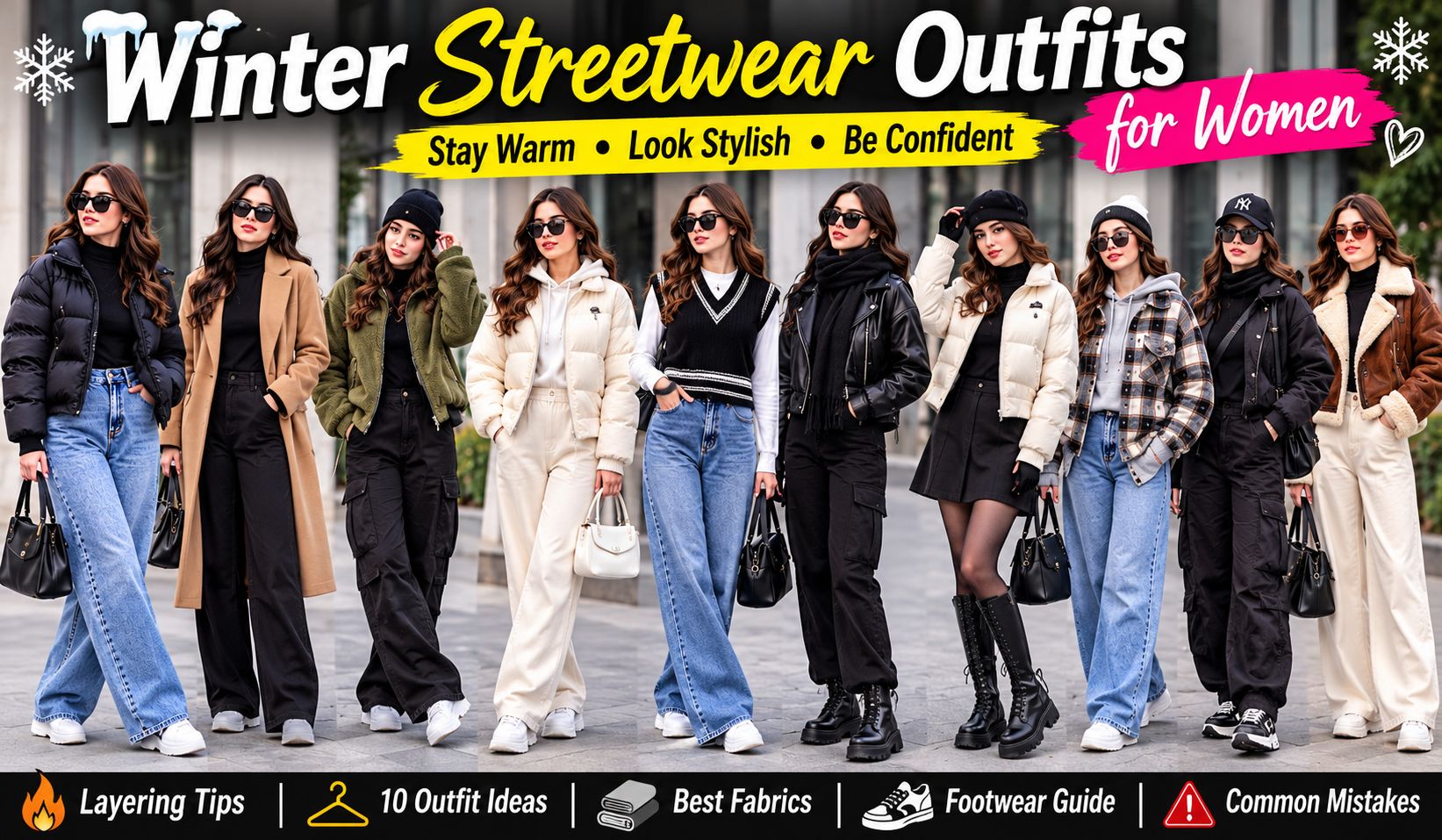
- Everyday: an oversized puffer with slim jeans or leggings and boots.
- Smart-casual: a wool-blend coat with straight trousers and a fitted knit.
- Weekend: a teddy coat with a hoodie and tapered joggers.
- Rainy day: a water-resistant parka with waterproof boots.
If you enjoy this kind of practical styling advice, you can find more fashion guides and style ideas on our site.
How to Stay Warm Without Looking Bulky
An oversized jacket traps a layer of air between you and the cold, which helps, but the real warmth comes from what you wear underneath.
- Start with a thin, snug base layer. Merino wool or thermal fabric keeps heat close to the body.
- Add a medium layer. A fitted sweater or fleece adds warmth without too much volume.
- Wear the jacket last. Let the oversized piece do the visual work.
- Protect extremities. A scarf, hat, and gloves matter as much as the jacket.
- Keep the neck sealed. A high collar or scarf prevents warm air from escaping.
Care and Longevity
A good winter jacket should last several seasons if you look after it.
- Follow the care label. Washing instructions differ for down, synthetic, and wool.
- Wash sparingly. Frequent washing can wear down water-repellent finishes.
- Dry puffers carefully. Many down jackets benefit from slow, low-heat drying with clean dryer balls or tennis balls to restore fluff, but always check the label first.
- Store loosely. Compressing a puffer for months can flatten the fill.
- Spot clean quickly. Treating marks early prevents stains from setting.
Common Mistakes to Avoid
- Confusing style with warmth. A fashionable teddy coat may not stop wind or rain.
- Ignoring sleeve length. Too short looks awkward, too long swallows your hands.
- Buying too big in the shoulders. The fit looks sloppy and lets cold air in.
- Skipping the layer test. You need to try the jacket with real winter clothes.
- Overlooking the hem. A length that cuts you at an unflattering point can ruin the proportions.
- Pairing volume with volume. A big jacket with baggy pants and a chunky scarf can swamp your frame.
A Quick Buying Checklist
Before you pay, ask yourself:
- Does it suit the weather where I live?
- Do the shoulders and sleeves fit properly?
- Can I layer a sweater underneath?
- Is the fabric appropriate for wind, rain, or snow?
- Does the length work with my height and usual outfits?
- Can I wear it at least three different ways?
Frequently Asked Questions
What is an oversized winter jacket?
It is a jacket cut larger on purpose, with extra width through the shoulders, body, and sleeves, to create a relaxed silhouette. A well-made one has structure and balanced proportions, not just extra fabric.
Are oversized jackets warm enough for winter?
They can be, if the insulation and fabric are right. Look for down or synthetic fill, a wind-resistant shell, and features like a hood or storm flap. Style alone does not guarantee warmth.
Should I size up for an oversized look?
Sometimes. If you want a dramatic shape, going up one size works for many people, but check the brand’s size chart since some labels already cut generously.
How do I style an oversized jacket without looking bulky?
Balance the volume with slimmer pieces underneath, such as straight or tapered trousers and fitted knits. Keep the rest of the outfit simple and make sure the shoulders and sleeves fit well.
What is the warmest type of oversized jacket?
For deep cold, a puffer or parka with down or quality synthetic insulation and a wind-resistant shell is usually the warmest option. For dry cold, a thick wool coat or teddy coat can also work well.