You know the feeling. It’s 7 a.m., the air hurts your face, and your closet is full of clothes that look great at 25°C and ridiculous under a coat. Streetwear is built on looking effortless, but winter punishes anyone who treats it like summer with a jacket thrown on top.
The good news is that streetwear and cold weather suit each other better than most people think. Oversized cuts leave room for layers. Heavy fabrics, bold outerwear and chunky shoes are already part of the look.
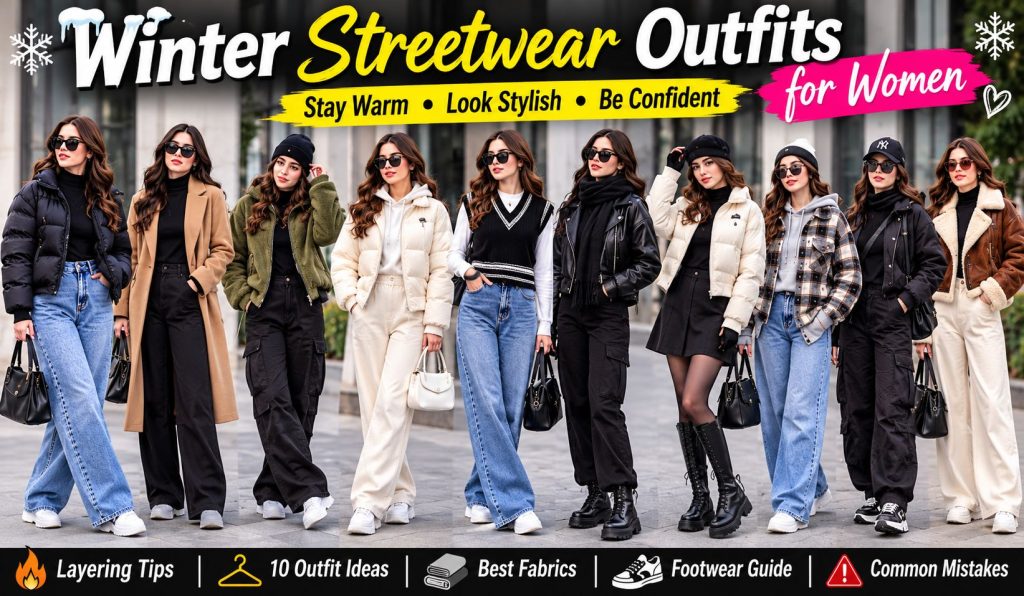
This guide covers the layering logic, the fabrics worth buying, ten outfit formulas you can copy, and the mistakes that make winter looks fall flat. By the end, you’ll be able to build your own combinations instead of relying on someone else’s mood board.
Table of Contents
ToggleWhat Makes Winter Streetwear Different (and Harder)
Summer streetwear is mostly about silhouette and attitude. Winter streetwear adds a third factor: temperature management. You have to stay warm without turning into a shapeless bundle, and that balance is where most outfits go wrong.
Streetwear leans on proportion, contrast and texture. Add three or four layers and those elements either multiply or collapse into one blob. A chunky puffer over a bulky hoodie over wide trousers can look intentional, or it can look like you got dressed in the dark. The difference is almost always in how you handle volume.
A simple rule helps: if the top half is big, keep the bottom half either slim or structured. If you go wide on both, break it up with a defined waist, a contrasting color, or a clear break between the hem of one layer and the start of the next.
The Four-Layer Formula for Cold Weather Streetwear
Think of every winter outfit as four jobs, each done by a different piece.
Layer One: The Base
This is what touches your skin, and it decides whether you’ll be comfortable at 3 p.m. as well as 8 a.m. Choose a thin, fitted top in cotton, merino or a soft thermal blend. Avoid anything bulky here. A base layer should disappear under the rest of the outfit.
Layer Two: The Statement Mid-Layer
This is where your personality shows. An oversized hoodie, a graphic sweatshirt, a knit vest or a half-zip fleece all work. Most of what people notice in an outfit lives here, so this is the piece worth spending a little extra on.
Layer Three: The Outerwear
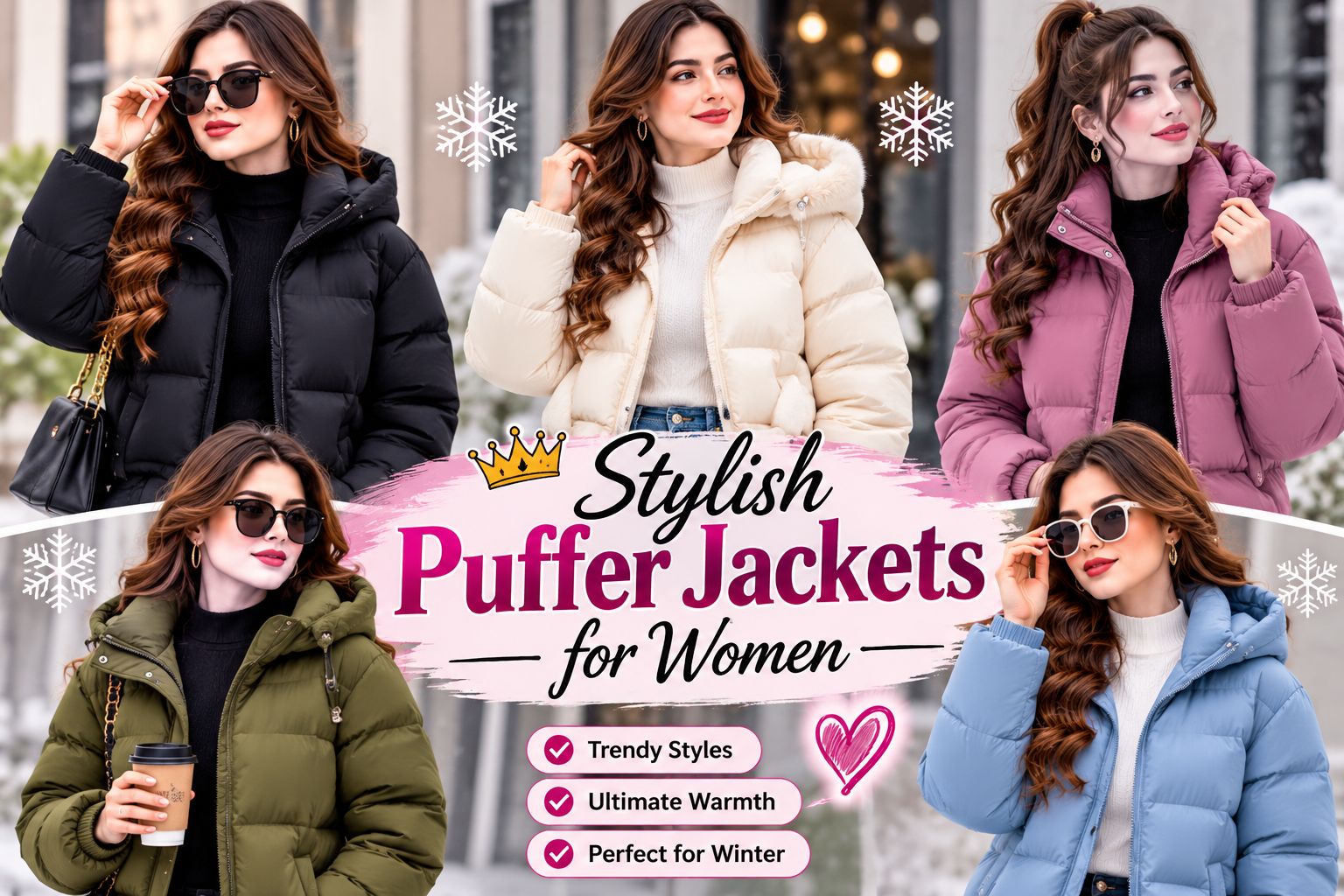
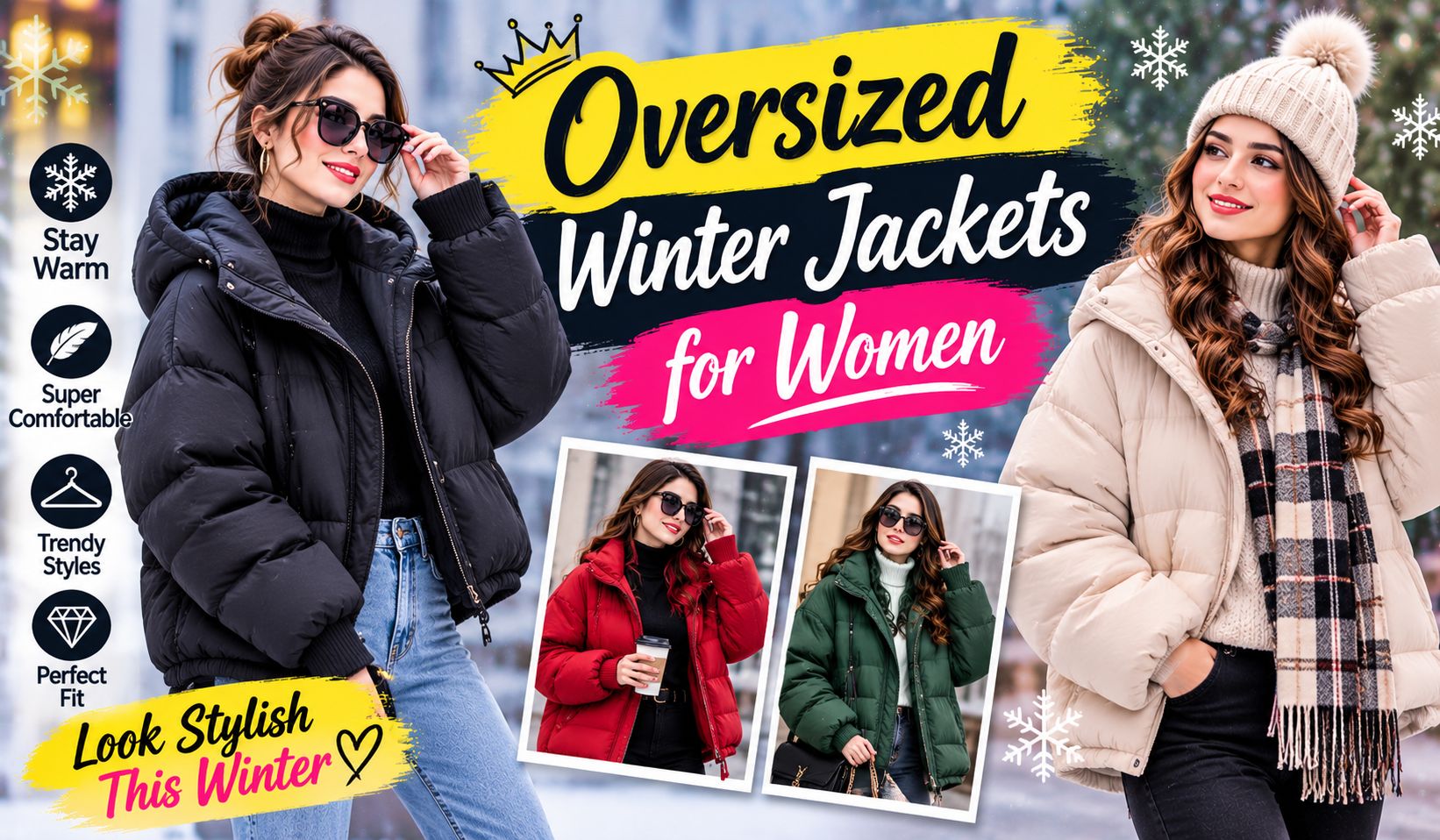
Your coat or jacket sets the mood of the whole look. Puffer jackets, shearling-style bombers, longline wool coats, quilted liners and utility jackets all fit the streetwear aesthetic. Pick one that is warm enough for your coldest days, because a stylish coat you can’t wear is wasted money.
Layer Four: The Finishing Pieces
Beanies, scarves, gloves, socks and bags complete the outfit and do real work against the cold. Treat them as part of the design from the beginning, not as an afterthought you grab at the door.
Fabrics That Keep You Warm Without Killing the Look
The material matters more than the label. Two jackets can look identical on a hanger and feel completely different at 5°C.
- Fleece: Lightweight, warm and very streetwear-friendly. Great as a mid-layer.
- Wool and wool blends: Excellent insulation and a polished texture. Good for coats, knits and trousers.
- Down or synthetic fill: The usual choice for puffer jackets. Synthetic fill copes better with damp weather.
- Heavyweight cotton: Thick hoodies and sweatpants hold up well and keep that classic streetwear feel.
- Corduroy and twill: Add texture and some warmth to trousers without the stiffness of heavy denim.
- Nylon and technical shells: Block wind and light rain, which is often what actually makes you cold.
Cotton alone is a weak choice for very cold or wet days because it holds moisture. If your winters are properly freezing, make sure at least one layer is wool, fleece or insulated.
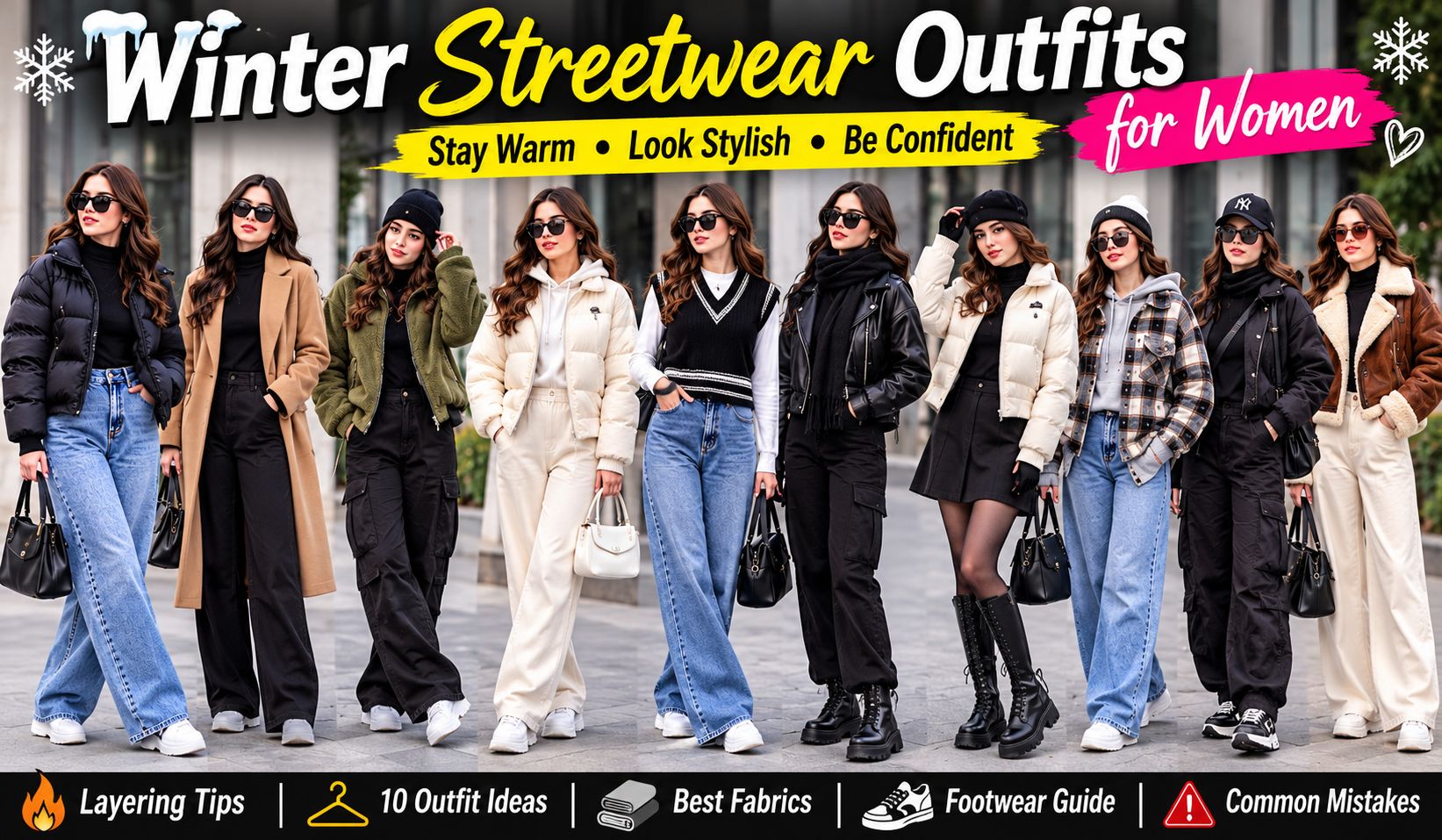
10 Winter Streetwear Outfit Ideas to Copy This Season
Each of these is a formula, not a rigid shopping list. Swap colors and brands freely.
1. The Oversized Puffer and Straight Jeans
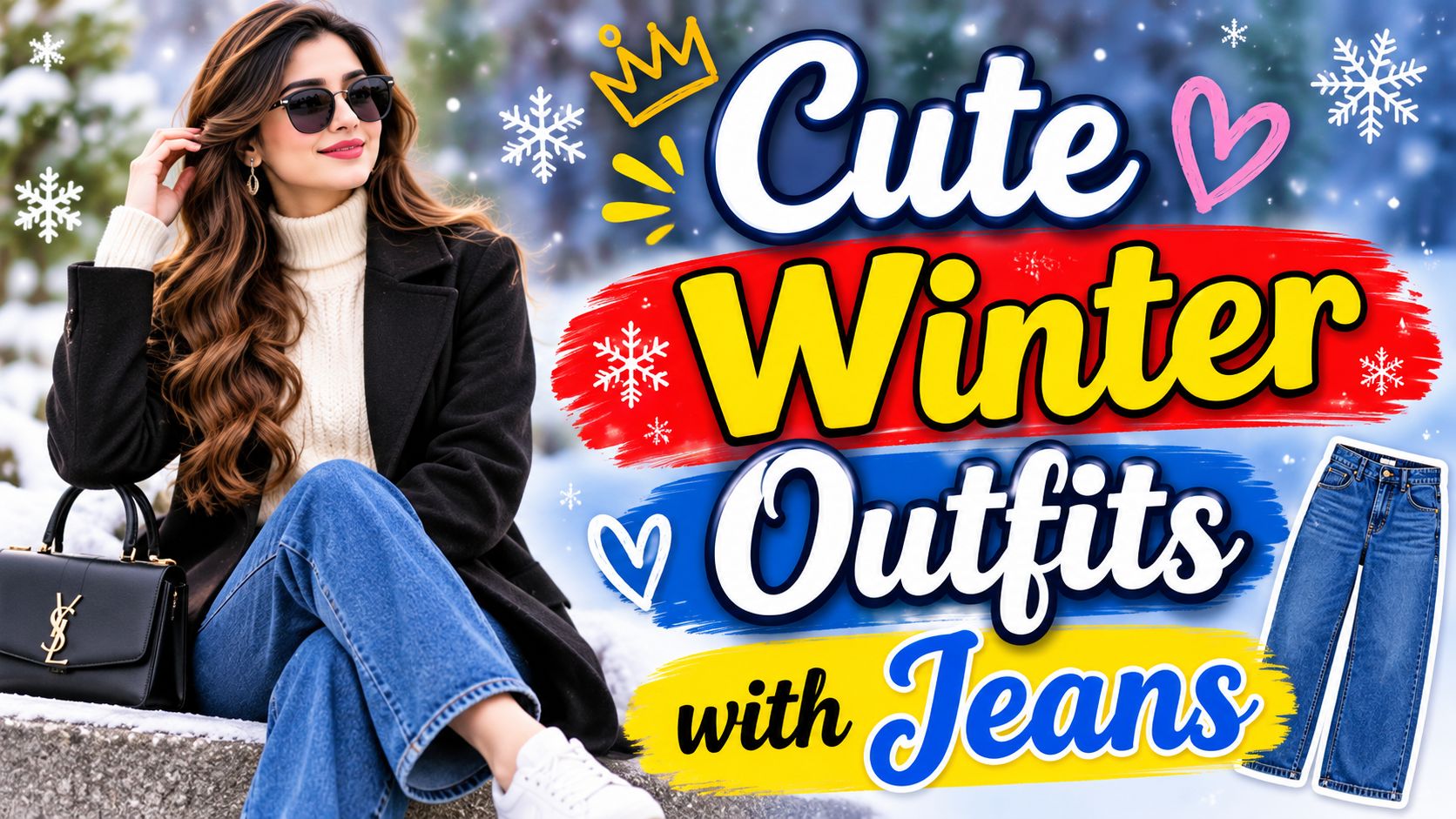
Wear a cropped or hip-length puffer in black, olive or cream over a fitted base layer and straight-leg jeans. Add chunky sneakers and a beanie. The cropped jacket keeps the proportions balanced, which makes this a safe starting point for beginners.
2. Hoodie Under a Longline Coat
Layer a gray or black hoodie under a camel or charcoal wool coat, letting the hood sit outside the collar. Pair with black trousers and boots. It mixes casual and sharp in a way that looks deliberate.
3. Cargo Pants and a Fleece Half-Zip
Wide cargo pants in khaki or black with a fitted thermal underneath and a chunky fleece on top. Finish with sturdy sneakers or lug-sole boots. Practical pockets, easy movement and plenty of warmth.
4. The Matching Sweatsuit Set
A heavyweight sweatshirt and joggers in the same shade, with a puffer or shearling jacket over the top. One color keeps the look clean, so let the outerwear carry the contrast.
5. Knit Vest Over a Long-Sleeve Tee
Layer a chunky knit vest over a fitted long-sleeve, add baggy denim, and finish with retro-style trainers. This one suits milder winter days or indoor-heavy schedules.
6. Leather Jacket With Thermal Layers
A black leather or faux leather jacket over a hoodie and slim trousers gives a sharper edge. Add a scarf and ankle boots. Leather blocks wind well, though it isn’t warm on its own, so the layers underneath do the work.
7. Skirt, Tights and Heavy Boots
Streetwear doesn’t have to mean trousers. A mini or midi skirt over fleece-lined tights, with combat boots and a boxy puffer, mixes feminine and tough. Add thick socks over the tights if the boots allow.
8. Oversized Shirt Jacket (Shacket) Over a Hoodie
A wool-blend or padded shacket over a hoodie and wide jeans suits transitional weather, the cold-but-not-freezing days. Easy, comfortable and hard to get wrong.
9. The All-Black Utility Look
Black cargo trousers, black thermal top, a black technical shell, and black boots. Break up the monotone with a bright beanie, a textured scarf or a silver chain. Monochrome looks work best when the textures vary.
10. Shearling Bomber and Wide-Leg Trousers
A shearling-style bomber, a fitted turtleneck and wide-leg cord or wool trousers form a polished outfit with strong street credibility. The turtleneck keeps your neck warm without needing a scarf.
Footwear: Where Warmth and Style Meet
Cold feet ruin a day faster than a bad outfit does. Choose shoes with real soles and some insulation.
Chunky sneakers, lug-sole boots, combat boots and weatherproof high-tops all fit the streetwear look. Check the grip if your area gets ice or wet pavement. A flat-soled canvas shoe may look right but will leave you freezing and slipping.
Socks deserve more attention than they get. Wool or thermal blends keep feet warm and dry, and slightly visible socks over tights or above boots add another texture to the outfit.
Accessories That Do Real Work
The right accessories can lift a simple outfit and keep you comfortable at the same time.
Beanies are the obvious choice, but try a slouchy fit or a folded cuff instead of a tight cap. Scarves in chunky knits or oversized wool add volume near the face, which balances wide trousers. Gloves in leather or fleece look better than they get credit for, and touchscreen-friendly pairs save you from taking them off. Crossbody bags and small shoulder bags keep your hands free for pockets, which matters when it’s cold.
If you wear glasses or sunglasses in winter, remember low sun can be harsh. A pair of tinted lenses is as practical as it is stylish.
Common Mistakes That Make Winter Streetwear Look Off
A few habits show up again and again.
Wearing too many bulky layers at once. Two thick layers are usually the limit. Make the rest thin.
Ignoring fit around the shoulders and sleeves. Oversized is a style choice, but shoulder seams that droop to your elbow look careless. Aim for relaxed, not lost.
Choosing style over warmth in the coat. If you’ll be cold, you’ll wear it less. That makes it a poor purchase.
Matching everything exactly. Streetwear works through contrast. Mix textures, tones and shapes.
Skipping the tailoring on hems. Trousers dragging under shoes wear out and look sloppy. A quick hem fixes it.
Forgetting to wash and care for outerwear. Puffers lose loft when stored damp or compressed. Check care labels and store them loosely.
Building a Winter Streetwear Wardrobe by Level
You don’t need to buy everything at once.
If You’re Just Starting
Begin with five pieces: a neutral puffer, two good hoodies, one pair of straight jeans, one pair of cargo or wide trousers, and sturdy boots or sneakers. That combination creates at least a dozen outfits.
If You Have the Basics
Add texture. A shearling-style jacket, a wool coat, a knit vest or corduroy trousers give your wardrobe depth. Add colors that sit between neutrals, like olive, burgundy or navy.
If You Want to Go Further
Focus on details and proportions. Experiment with layering a technical shell over a wool coat, mixing vintage pieces with new ones, or playing with oversized accessories. At this stage, small choices like sock length or sleeve cuffs separate a good outfit from a memorable one.
If you want a deeper framework for choosing pieces that work together, our guide on how to build a capsule wardrobe walks through a practical method for picking fewer, better items.
A Simple Process for Dressing Each Morning
When you’re short on time, run through this quick sequence.
- Check the real temperature and the wind, not only the forecast icon.
- Choose your coat first, because it sets the limits for everything underneath.
- Pick a statement mid-layer that suits the coat’s color and length.
- Add a thin base layer that fits close to the body.
- Choose trousers or a skirt that balance the volume on top.
- Finish with shoes, socks, and at least one accessory that adds warmth.
That order saves time because each decision narrows the next one.
Frequently Asked Questions
What is winter streetwear for women?
Winter streetwear for women is a cold-weather style built on layering, oversized or relaxed silhouettes, and casual pieces like hoodies, puffer jackets, cargo pants and chunky footwear. It mixes comfort with strong visual contrast.
How do I layer streetwear without looking bulky?
Keep your base layer thin and fitted, limit thick pieces to two, and balance volume. If your top half is oversized, choose slimmer or more structured bottoms. Contrasting textures also help layers look deliberate.
What jackets work best for streetwear outfits in winter?
Puffer jackets, shearling-style bombers, longline wool coats, leather jackets over warm layers, and padded shackets all work. Choose based on how cold your area gets and whether you face rain or wind.
Can I wear skirts and dresses in streetwear style during winter?
Yes. Pair them with fleece-lined tights, thick socks, heavy boots and a warm outer layer. The contrast between soft shapes and tougher shoes is a classic streetwear move.
What colors are best for winter streetwear?
Black, charcoal, olive, cream, camel and navy are reliable bases. Add one accent such as burgundy, rust or a bright beanie to keep the look interesting.