There is something quietly exciting about discovering a food you have never heard of before. You come across a photo, a friend mentions it in passing, or you overhear someone at a Latin market talking about it. You do what anyone would do. You pick up your phone and type “best sonso yuca near me” into the search bar.
If that search brought you here, you are in the right place. This guide covers everything you need to know about sonso de yuca, from what it actually is to where you can find it, what makes a good version stand out from a forgettable one, and how to make it at home if local options are hard to come by.
Sonso de yuca is one of those foods that tends to surprise people. It does not have the global name recognition of tacos, empanadas, or arepas, but it has been feeding communities in eastern Bolivia for generations. Once you understand what it is and taste it warm from a grill, it becomes the kind of dish you think about long after you have eaten it.
Table of Contents
ToggleWhat Is Sonso De Yuca: A Simple Answer to a Popular Search
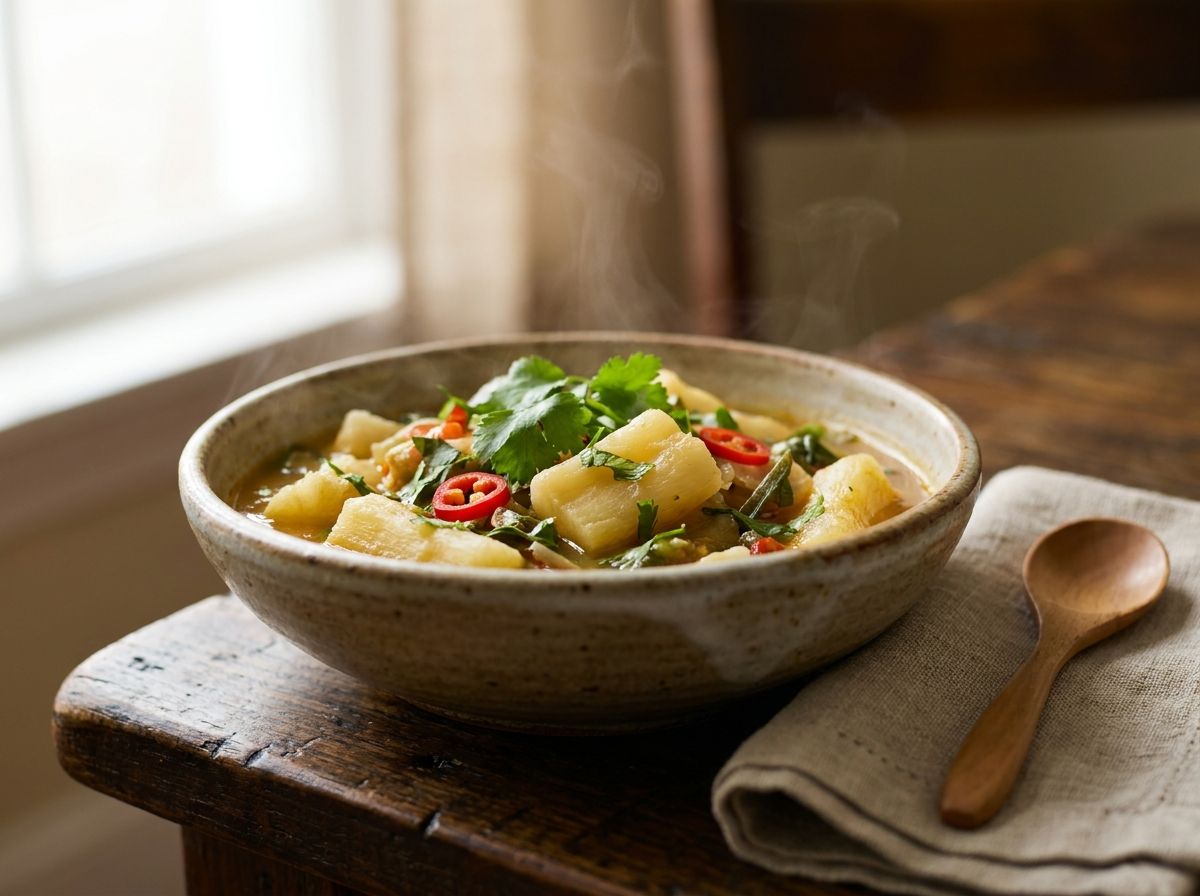
Sonso de yuca is a traditional Bolivian street food made from mashed cassava root, also called yuca or mandioca, mixed with grated cheese and a small handful of other ingredients. The dough is shaped and then cooked, most traditionally on a thick bamboo skewer over an open charcoal fire, until the outside becomes golden, blistered, and slightly crisp while the inside stays soft, warm, and full of melted cheese.
The name comes from the Spanish word “sonso,” a playful Bolivian term used to describe someone who is a little simple or silly. The dish earned that name with affection, not mockery. It is humble, honest food made from a short list of accessible ingredients. And somehow that simplicity is exactly where its charm lives.
People who search for the best sonso yuca near me are often in one of two situations. Some already know what the dish is and want to find a place nearby that serves it. Others have just heard the name for the first time and want to understand what they would be getting before they commit. Either way, the answer starts in the eastern lowlands of Bolivia.
The Origins of Sonso De Yuca: Rooted in Bolivia’s Eastern Lowlands
How Yuca Became Central to Eastern Bolivian Cooking
Sonso de yuca belongs to the eastern half of Bolivia, specifically the tropical departments of Santa Cruz, Beni, and Pando. These are warm, fertile regions where the climate is well suited to growing yuca, a starchy root vegetable that has been a food staple here for more than 500 years.
Yuca was brought to this part of Bolivia by Arawak-speaking peoples from the Caribbean, who settled in the lowlands long before European colonization. The root adapted naturally to the tropical climate and became one of the most reliable crops in the region. Over centuries, local communities developed dozens of ways to prepare it, from boiling it plain to frying it, baking it, and eventually turning it into dishes like sonso de yuca.
The Eastern Bolivian cooking tradition, sometimes called “camba” cuisine in reference to the people of Santa Cruz, is built around ingredients like yuca, rice, corn, tropical fruit, and fresh cheese. Sonso de yuca fits perfectly into that tradition. It uses what was available, required no complicated tools, and could be prepared and eaten right on the street.
The Sonso Festival in Santa Cruz: Where This Dish Becomes a Celebration
In Santa Cruz de la Sierra, sonso de yuca is not just a snack. It is a symbol. Since 2002, the city has held an annual Sonso Festival, typically in September during the anniversary celebrations of Santa Cruz. The festival takes place along the banks of the Río Piraí, where vendors, community organizations, and families gather to grill massive amounts of sonso over open charcoal fires.
The event is open, communal, and full of the kind of energy that only food can produce. In some years, organizers have created a single sonso de yuca skewer stretching over eight meters in length, requiring hundreds of kilograms of yuca and local cheese. Thousands of individual portions are distributed for free to attendees.
The festival has now been running for over two decades, and it remains one of the clearest signs of how deeply this dish is woven into the identity of the region. For Bolivians living abroad who search for the best sonso yuca near me, that emotional connection to home is part of what makes the search feel meaningful.
What Does Sonso Yuca Taste Like?
If you have never tried sonso de yuca, the closest comparison is somewhere between a thick cheesy potato cake and a grilled corn patty. The texture is dense but not heavy. The interior is soft and slightly chewy, with long stretchy strings of melted cheese running through it when you pull it apart.
The yuca itself has a mild, slightly sweet, and mildly nutty flavor. It does not taste strongly of anything on its own, which is exactly what makes it such a good base. The grated cheese brings salt and richness. The butter adds a gentle roundness. When all of this is grilled over charcoal, you also get a whisper of smokiness on the crust that lifts the whole experience.
Most Bolivians eat sonso de yuca as a late afternoon snack or a light breakfast, alongside a cup of strong black coffee or hot chocolate. The bitterness of the coffee against the warm, salty, cheesy yuca is one of those flavor pairings that sounds simple but works beautifully.
The Three Ways Sonso De Yuca Is Cooked
Not every version of this dish is prepared the same way. Understanding the three main cooking methods will help you know what to expect when you find it or when you make it yourself.
Grilled on a Bamboo Skewer Over Charcoal
This is the most traditional preparation and the version most closely associated with street food in Santa Cruz. The cassava and cheese dough is pressed firmly around a thick bamboo skewer and held over hot coals, turning slowly and steadily until the surface blisters and darkens in spots.
The crust this method produces is what sets the grilled version apart. It has a slightly caramelized, faintly smoky flavor that you simply cannot replicate any other way. Eating it off the skewer while walking through a market is the most authentic experience you can have with this dish.
Fried as a Flat Patty
Some cooks shape the same dough into flat, round patties and fry them on a cast-iron griddle or pan. This version is sometimes called sonso de yuca frito, and it produces a crispier result on all sides with a fluffier, more open interior. It has been described as a Bolivian pancake, and that comparison captures something real about the texture.
This version is popular for breakfast because it comes together quickly. It also makes a good side dish alongside pork or other grilled meats.
Baked as a Casserole
The baked version, sometimes called sonso al horno, is spread into a baking dish and cooked in the oven rather than over direct heat. The result is softer overall, with a golden top and a spongy, moist interior throughout. This preparation is the most practical for home cooks who don’t have access to a grill and want to make a larger portion for multiple people.
Each method produces something slightly different, but they all start from the same place: simple ingredients, good cheese, and yuca handled with care.
How to Find the Best Sonso Yuca Near Me
Here is the honest reality of searching for this dish outside Bolivia. Sonso de yuca is not yet as widely listed on food apps as tacos, pupusas, or yuca fries. In many cities, especially outside South America, your search results for “best pollo al chilindron near me” may return recipes and food blogs before any restaurant listings appear.
That doesn’t mean the search is useless. It just means you need to approach it a little differently.
Search Strategies That Actually Work
Start by broadening your search terms. Rather than searching only for “sonso yuca,” try “Bolivian food near me,” “South American street food near me,” “cassava and cheese snack,” or “yuca dish near me.” You will cast a wider net and increase your chances of finding somewhere relevant.
Check Google Maps, Yelp, and TripAdvisor for Latin American or South American restaurants. Then look at their menus or call ahead. Sonso de yuca may not appear as a permanent menu item, but many restaurants offer it on weekends, during special events, or as a seasonal offering. Calling and asking directly is almost always worth the effort.
Social media has become one of the most reliable tools for finding regional dishes that don’t show up in mainstream food directories. Search for “sonso de yuca” or “comida boliviana” on Instagram and Facebook in your city. Small community vendors, home cooks, and pop-up food stands often operate through social channels rather than formal restaurant listings. These are frequently the places serving the most authentic versions.
Bolivian Restaurants, Latin Food Markets, and Cultural Festivals
If there is a Bolivian diaspora community in your city, that is your best starting point. In the United States, established Bolivian communities can be found in the Northern Virginia and Washington D.C. area, parts of Maryland, Miami, certain neighborhoods in New York City, and in parts of New England. Bolivian-owned restaurants in these areas are the most likely to have sonso de yuca on the menu or available by request.
Latin American grocery stores are another solid lead. Family-owned Latin markets sometimes have a small kitchen section or a hot food counter that serves regional dishes in the evening. These spots won’t always advertise online, but walking in and asking is often enough.
Cultural food festivals are one of the best ways to find authentic sonso de yuca. Bolivia’s independence day falls on August 6th, and diaspora communities in many cities hold cultural fairs and food events around this date. At these gatherings, you’ll often find home cooks grilling sonso de yuca fresh right in front of you, made from family recipes that have been passed down for years. Those versions are often better than anything you’ll find in a restaurant.
How to Tell Good Sonso Yuca From a Disappointing Version
Not every version of this dish will be worth your time or money. A few simple things will tell you quickly whether what you’re being served is made with care.
The outside should have visible color. A pale, barely cooked sonso de yuca has not developed the right texture, and the flavor will be flat. Look for a deep golden crust with some darker spots, especially if it has been grilled.
The inside should be soft, slightly sticky, and stretchy from the cheese. If you bite into it and it feels dry, crumbly, or rubbery, something went wrong in either the ratio of ingredients or the cooking method.
Ask about the cheese if you can. Traditional sonso de yuca in Bolivia uses a salty, firm local cheese called queso criollo. Outside Bolivia, mozzarella and gouda are common and work well, but the cheese should be generous and fully incorporated into the dough, not sprinkled on top as an afterthought.
Freshness matters more with this dish than with almost anything else. Sonso de yuca that has been sitting out for an hour or two will lose the interior moisture and the stretch of the melted cheese. If possible, get it made to order or as freshly cooked as you can.
What Goes Into Authentic Sonso De Yuca
The Ingredients That Make It What It Is
The main ingredient is cassava root, which is boiled, drained, and mashed while still hot. The mash needs to be smooth and workable, somewhat similar to mashed potato but with a slightly more fibrous, stickier consistency. Getting this right is the foundation of everything else.
Cheese is the second essential component. In Bolivia, a hard and quite salty local queso criollo is traditional. Outside Bolivia, most home cooks and restaurants use mozzarella, gouda, or a combination of both. The cheese is grated and kneaded directly into the warm mash while it’s still hot enough to let the cheese begin to soften and meld. The ratio of cheese to yuca is what gives the dish its identity. Too little and it tastes bland. Too much and it becomes greasy. The balance matters.
A small amount of butter adds richness and helps the dough hold together. A beaten egg and a splash of milk are mixed in to bind the dough and give it enough moisture to cook evenly. Salt seasons the whole thing, though the cheese already brings a lot of saltiness, so the hand with the salt should be light.
That is the whole list. Six ingredients at most, no unusual techniques, and a result that feels genuinely nourishing and real.
The Nutritional Side of Yuca: What You Are Actually Eating
Yuca, the main ingredient in sonso de yuca, is a starchy root vegetable with a respectable nutritional profile. It is naturally gluten-free, which makes this dish accessible to people who avoid wheat or have gluten sensitivity. Unlike many gluten-free alternatives, yuca achieves its texture naturally rather than through additives or substitutes.
A half-cup serving of plain cooked yuca contains approximately 165 calories and around 39 grams of carbohydrates. It provides vitamin C, potassium, magnesium, folate, and some B vitamins. It also contains resistant starch, a type of starch that moves through the digestive system differently from regular starch and is associated with gut health benefits and more stable blood sugar responses.
The cassava plant is also known for being highly drought-resistant, which is one of the reasons it became such an important crop in tropical regions across South America, Africa, and Southeast Asia. It grows where other crops sometimes cannot, making it a food that has supported communities in challenging climates for centuries.
How to Make Sonso Yuca at Home If You Cannot Find It Nearby
If your search for the best sonso yuca near me has not turned up any local options, making it yourself is a genuinely satisfying path. Yuca is available in many Latin grocery stores and some larger supermarkets, usually in the produce section or in the frozen aisle where it comes pre-peeled and cut into pieces.
Frequently Asked Questions About Sonso De Yuca
What is sonso de yuca?
Sonso de yuca is a traditional Bolivian street food made from mashed cassava mixed with grated cheese, butter, egg, and salt. The dough is shaped around skewers and grilled, or cooked as fried patties or baked as a casserole, depending on the style and the cook.
Where does sonso de yuca come from?
It originates from the eastern regions of Bolivia, particularly the departments of Santa Cruz, Beni, and Pando. It is most closely associated with Santa Cruz de la Sierra, where it has been a street food institution for generations and is celebrated annually at the Sonso Festival.
Is sonso de yuca gluten-free?
Yes. Yuca is naturally free of gluten. As long as the preparation doesn’t include any added wheat-based ingredients, sonso de yuca is suitable for people with gluten intolerance or celiac disease.
What does sonso mean in Spanish?
In Bolivian Spanish, the word “sonso” is used as a lighthearted term for someone who is a little foolish or simple-minded. The dish earned the name affectionately, reflecting its unpretentious, humble character.
Can I make sonso yuca at home?
Yes, and it’s more straightforward than you might expect. You need fresh or frozen yuca, a good melting cheese, butter, egg, milk, salt, and either a grill or a pan. The process takes about an hour from start to finish.
What do you eat with sonso de yuca?
Bolivians traditionally pair it with a cup of hot black coffee or chocolate. The slight bitterness of the coffee contrasts the salty richness of the yuca and cheese in a way that feels completely natural.